
Boat Videos Every Recreational Boater Should Watch

Boat videos are visual content that entertains, educates, and inspires recreational boaters through real-life demonstrations, expert guidance, and thrilling moments recorded on the water. The best clips combine practical instruction with genuine on-water action, covering everything from docking techniques and sailing maneuvers to fishing adventures and spectacular race footage. Safeboatingamerica recognizes that video learning works best when paired with certified instruction, NASBLA-approved safety standards, and hands-on practice. Whether you want to sharpen your navigation skills or simply enjoy the best boat moments from around the world, the right video content makes a measurable difference.
1. What makes a great boating tutorial video?
The best boating tutorial videos follow a clear, step-by-step format that mirrors real on-water conditions. Vague narration over shaky footage teaches nothing. Effective tutorials show exactly what to do, in sequence, with close-up shots of hands, controls, and water behavior.
Strong tutorial content covers these core elements:
- Instructor credentials. Look for videos taught by USCG-licensed captains or NASBLA-certified instructors.
- Pre-departure safety checks. Quality videos walk through pre-departure procedures including running the blower, starting the engine, and attaching the safety kill-switch lanyard before leaving the dock.
- Step-by-step skill breakdowns. Each maneuver gets its own segment, not a rushed overview.
- On-water practice examples. The best tutorials show the skill being performed in real conditions, not just described on a whiteboard.
- Emergency procedure coverage. Videos that skip kill-switch use, life jacket protocols, or distress signals are incomplete.
Formal training programs like ASA 101 replace guesswork with consistent, repeatable skills in boat handling and emergency response. That standard applies equally to video content. A tutorial that skips the “why” behind a procedure produces boaters who can copy a motion but cannot adapt when conditions change.
Pro Tip: Look for videos that show both the correct technique and a common mistake side by side. Seeing what goes wrong teaches faster than seeing only what goes right.
2. Top types of boat videos recreational enthusiasts love
Boating video content spans a wide range of genres, and the most engaged enthusiasts watch across multiple categories rather than sticking to one type.
The most popular genres include:
- Docking and maneuvering tutorials. Docking anxiety decreases when boaters practice low-speed control and plan their approach early. Videos that break down fender placement, crew briefing, and throttle timing are consistently among the most watched.
- Sailing technique clips. Advanced content covering heaving-to, jib trimming, and tack management draws serious sailors. Jib lead adjustment improves sail shape and boat speed more than most beginners realize.
- Fishing videos. Footage of anglers working specific water types, rigging setups, and catch-and-release technique combines entertainment with practical skill.
- Water sports and action footage. Wakeboarding, tubing, and PWC riding content attracts a younger audience and crossover boaters.
- Classic and antique boat showcases. Wooden boat rallies and vintage race footage appeal to history-minded enthusiasts.
- Safety incident footage. Real rescue videos, including a July 4 boat rescue where Florida deputies pulled seven people from a vessel that crashed onto rocks, demonstrate why situational awareness near shore matters.
- Drone footage of boats. Aerial perspectives of marinas, regattas, and open-water passages offer a visual scale that deck-level cameras cannot match.
Pro Tip: Mix light-hearted clips with instructional content in your weekly viewing. Watching a funny docking mishap right before a step-by-step docking tutorial locks in the lesson far better than either video alone.
3. How to use boat videos for practical navigation and safety training
Boat videos serve as a legitimate pre-season training tool when selected and used deliberately. Passive watching produces entertainment. Active watching, where you pause, rewind, and apply what you see, produces skill.
Docking and low-speed control
Beginners often panic when they try to steer a boat like a car. A boat has no brakes. Momentum, wind, and current all affect the final approach. Good docking videos teach small throttle inputs, not large corrections. Watch for content that shows the skipper reading wind direction before committing to a slip.
Sailing maneuvers: heaving-to
Heaving-to is a safety-critical maneuver that stabilizes a sailboat during heavy weather or when the crew needs a break. The correct technique requires tightening the headsail, leaving the jib backwinded, and locking the tiller on a starboard tack. Many boaters misunderstand this as simply stopping. Failing to reduce speed before locking the rudder causes uncontrolled spins, which is exactly the opposite of the intended result.
What separates effective instructional videos from weak ones
| Feature | Effective instructional video | Less effective video |
|---|---|---|
| Instructor credentials | USCG-licensed or NASBLA-certified | No credentials listed |
| Skill demonstration | On-water, real conditions | Studio or animation only |
| Safety coverage | Kill-switch, PFDs, pre-departure checks | Safety skipped or mentioned briefly |
| Pacing | Step-by-step with pauses | Rushed overview |
| Error correction | Shows common mistakes and fixes | Shows only the correct outcome |
The table above reflects what certified boating educators consistently identify as the gap between content that builds real skill and content that only builds confidence.
4. Where to find high-quality boating content
The volume of boating video content online is large. Quality varies significantly. Knowing where to look saves time and prevents learning bad habits from poorly produced clips.
- Certification-backed platforms. Safeboatingamerica offers state-approved boating courses with video content taught by USCG-licensed captains and NASBLA-certified instructors. This is the most reliable source for safety-critical instruction.
- Boating club channels. Organizations like Edison Boat Club publish expert technique videos on specific maneuvers, including heaving-to and heavy-weather sailing.
- Marine education websites. Sites focused on boat navigation methods and safety protocols publish structured video guides aligned with U.S. Coast Guard standards.
- General video platforms. Free content is abundant, but filter by instructor credentials and production quality. Prioritize channels where the presenter identifies their certification level.
- Online course libraries. Paid platforms offer structured curricula that progress from basic boat handling to advanced navigation. The advantage over free clips is sequencing. Skills build on each other rather than arriving in random order.
The most important selection criterion is whether the video reflects current U.S. regulations and NASBLA standards. Outdated content can teach procedures that no longer meet legal requirements in your state.
5. How boat videos build community among recreational boaters
Shared video content is one of the strongest connectors in recreational boating culture. Watching the same footage creates common reference points, shared vocabulary, and mutual enthusiasm that accelerates learning across a group.
- Rally and regatta footage gives boaters who cannot attend events a front-row view of competitive sailing and powerboat racing. Watching race tactics in real time teaches course management faster than any diagram.
- User-generated content from everyday boaters brings authenticity that polished productions cannot replicate. A clip of a first-time skipper successfully docking a 30-foot vessel after weeks of practice resonates with anyone who has felt that same anxiety.
- Safety improvement stories shared through video normalize the conversation around near-misses and accidents. When boaters see real incidents discussed openly, they are more likely to adopt pre-departure checklists and mandatory safety education without resistance.
Pro Tip: Join online boating groups that share and discuss video content regularly. The commentary from experienced boaters on a single clip often contains more practical insight than the video itself.
Key takeaways
The most effective boat videos combine certified instruction, real on-water demonstrations, and safety-standard compliance to build genuine skill rather than surface-level familiarity.
| Point | Details |
|---|---|
| Tutorial quality markers | Look for USCG or NASBLA credentials, on-water demos, and safety procedure coverage. |
| Docking videos work best | Low-speed control and early approach planning reduce docking stress and errors. |
| Heaving-to requires precision | Locking the rudder before reducing speed causes uncontrolled spins; sequence matters. |
| Video learning has limits | Formal training like ASA 101 builds consistent skills that video alone cannot replicate. |
| Community accelerates learning | Shared footage and group discussion produce faster skill development than solo viewing. |
What I have learned from years of watching and teaching with boat videos
The most common mistake I see recreational boaters make is treating video content as a substitute for time on the water. It is not. Video is a preparation tool. It compresses the learning curve by letting you visualize a maneuver before you attempt it, but it cannot replicate the physical feedback of a boat moving under you in real wind and current.
That said, I have watched video content genuinely change how boaters approach safety. A single well-produced clip showing a real rescue, like the footage of seven people pulled from a vessel that crashed onto rocks during a July 4 outing, does more for situational awareness than a paragraph in a manual. The emotional weight of real footage sticks.
My advice is to be selective. Watch fewer videos and engage with them more deeply. Pause at the moment of a maneuver. Ask yourself what you would do differently. Then go practice it. The boaters who improve fastest are not the ones who watch the most content. They are the ones who use video as a rehearsal, not a replacement.
The future of boating video content will include more drone footage of boats, more real-time navigation overlays, and tighter integration with certification programs. That is a good direction. The goal has always been safer, more confident boaters on the water.
— Richard
Safeboatingamerica’s video-based certification courses
Safeboatingamerica delivers state-approved boating safety courses that combine video instruction with structured curriculum taught by USCG-licensed captains.
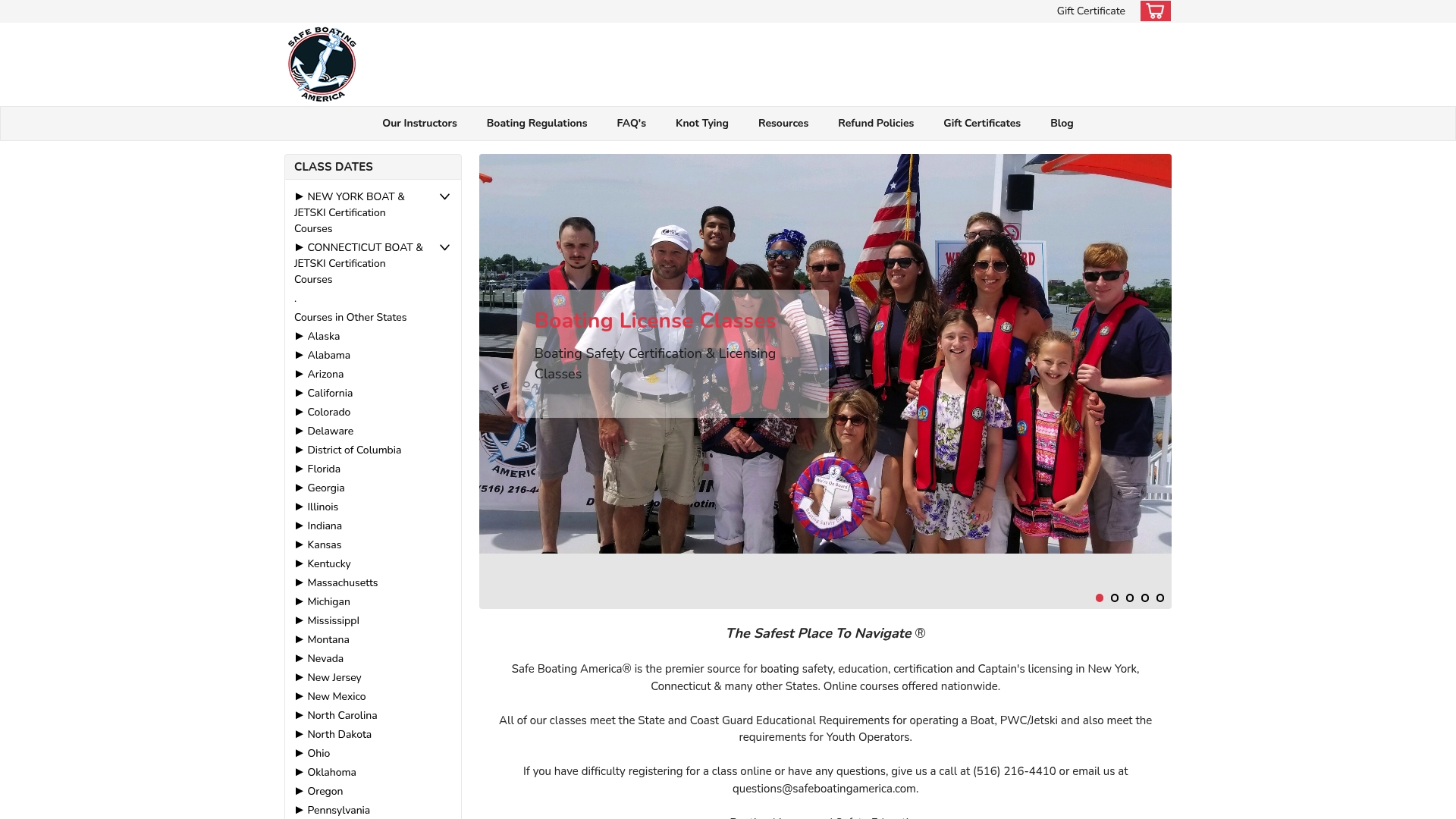
Every course covers docking techniques, navigation rules, emergency procedures, and required safety equipment, all reinforced through clear video demonstrations. Students can choose online, live Zoom, or in-person formats depending on their state requirements. Courses meet NASBLA standards and satisfy Brianna’s Law requirements for New York boaters. Whether you need a boating safety certificate for the first time or want to refresh your skills, Safeboatingamerica’s certification program gives you the credentials and the knowledge to operate legally and safely in any U.S. state.
FAQ
What are boat videos used for by recreational boaters?
Boat videos serve three primary purposes: entertainment through best boat moments and race footage, education through boating tutorials and safety guides, and inspiration through community content and adventure clips.
How do I know if a boating tutorial video is reliable?
Check whether the instructor holds USCG or NASBLA certification. Reliable tutorials show on-water demonstrations, cover pre-departure safety checks, and address emergency procedures rather than skipping them.
Can watching boat videos replace formal boating certification?
No. Formal training programs build consistent, repeatable skills that video alone cannot replicate. Video content works best as preparation for, or reinforcement of, certified instruction.
What is heaving-to, and why do sailing videos cover it?
Heaving-to is a maneuver that stabilizes a sailboat in heavy weather by backwinding the jib and locking the tiller. It appears frequently in sailing tips videos because incorrect technique, specifically locking the rudder before reducing speed, causes dangerous uncontrolled spins.
Where can I find state-approved boating safety video courses?
Safeboatingamerica offers NASBLA-approved, state-specific boating safety courses with video instruction available online, via live Zoom, and in person across all U.S. states.