Recommended Docking Techniques: Safe Boat Mooring Guide
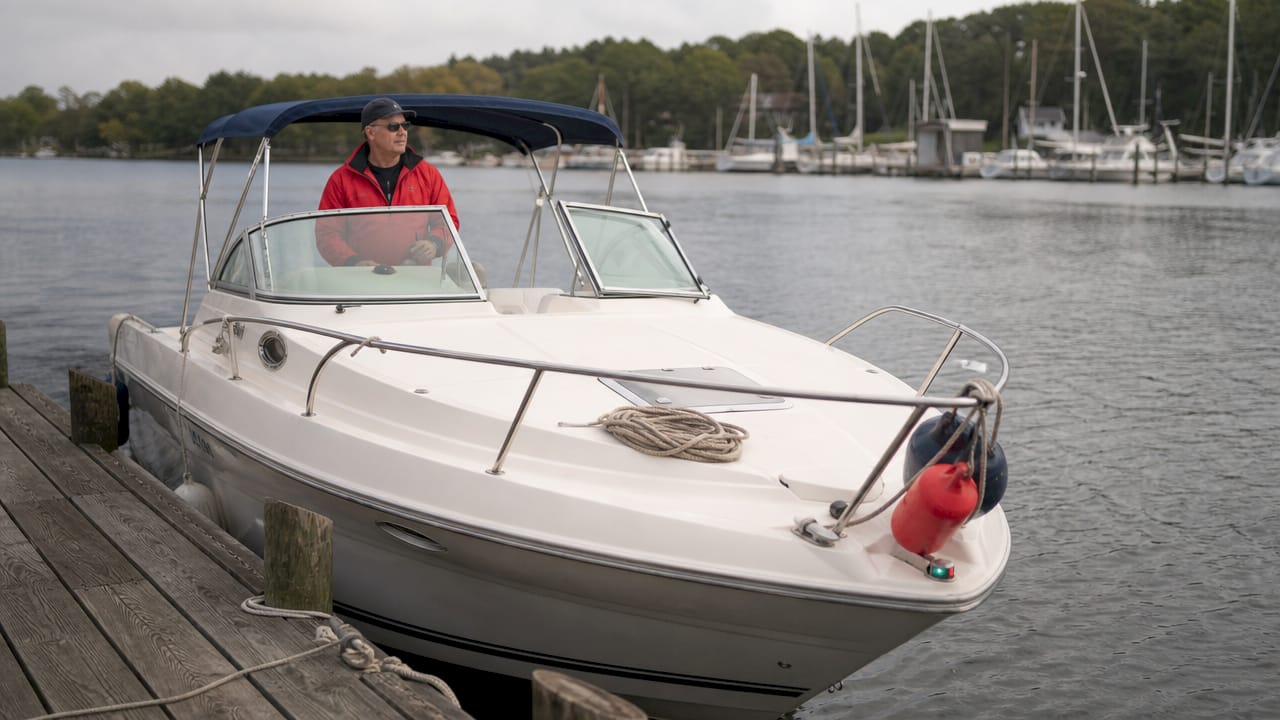
Approaching the dock at idle speed is the single most recommended practice when docking your boat, and every other technique builds from that foundation. Proper boat docking, known in professional seamanship as controlled mooring, requires slow approach speed, pre-deployed fenders, ready dock lines, and a clear read of wind and current before you commit to the slip. Boaters who skip any of these steps create the conditions for hull damage, crew injury, or a collision. This guide covers the full sequence, from your first throttle reduction to the final cleat knot.
Which of the following is recommended when docking your boat?
Speed control is the answer. Excessive speed causes the majority of docking damage, and the fix is straightforward: drop to idle throttle well before you enter the slip area. At idle speed, your boat remains steerable without carrying enough momentum to cause serious impact.
The approach angle matters just as much as speed. Industry-standard approach angles fall between 20° and 45°, depending on wind, current, and slip configuration. A shallower angle works in calm conditions; a steeper angle gives you more room to pivot when wind pushes you sideways.
Throttle technique separates confident dockers from nervous ones. Brief, deliberate throttle pulses with shifts between gear and neutral give you precise low-speed control. Continuous throttle builds momentum you cannot easily cancel. Use neutral as an active tool, not just a pause between forward and reverse.
- Reduce to idle speed at least two boat lengths from the dock
- Choose an approach angle between 20° and 45° based on conditions
- Use short throttle pulses, then shift to neutral to check momentum
- Steer toward the dock gradually, not in one sharp turn
- Be ready to abort and re-approach if the angle feels wrong
Pro Tip: If your boat is drifting faster than a slow walk, you are moving too fast. Match your speed to what a person could comfortably jog alongside.
What preparation should be done before the docking maneuver?
Preparation is what separates a clean dock from a chaotic one. Deploying fenders and readying dock lines before you enter the marina area removes two major tasks from the final, high-pressure approach. Every second you spend rigging gear at the last moment is a second you are not watching your surroundings.
Follow this sequence before you begin your approach:
- Deploy fenders. Hang them at dock height on the side of the boat that will contact the dock. Adjust their position so they cover the widest part of the hull.
- Prepare dock lines. Rig bow, stern, and spring lines with loops ready to drop over cleats. Coil them so they run free without tangles.
- Brief your crew. Assign each person a specific line and a specific cleat. Tell them to wait for your command before stepping off the boat.
- Check conditions. Note wind direction, current, and any boat traffic in the slip area. Decide your approach angle before you commit.
- Establish one captain. Only one person commands the vessel during docking. Unsolicited advice from crew members increases accidents and creates confusion at the worst moment.
Pro Tip: Brief your crew while you are still at a safe distance from the marina. Once you are in the slip area, you need full attention on the boat, not on explaining roles.
A solid boat safety inspection before any outing also catches equipment problems, like frayed lines or damaged fenders, before they become docking hazards.
How to use lines, cleats, and fenders effectively
Lines and cleats are your primary control tools once the boat is alongside the dock. Spring lines control forward and backward movement, allowing you to position the boat precisely without relying on throttle alone. A forward spring line runs from a midship cleat to a dock cleat aft of the boat; an aft spring line runs from midship to a dock cleat forward of the boat.
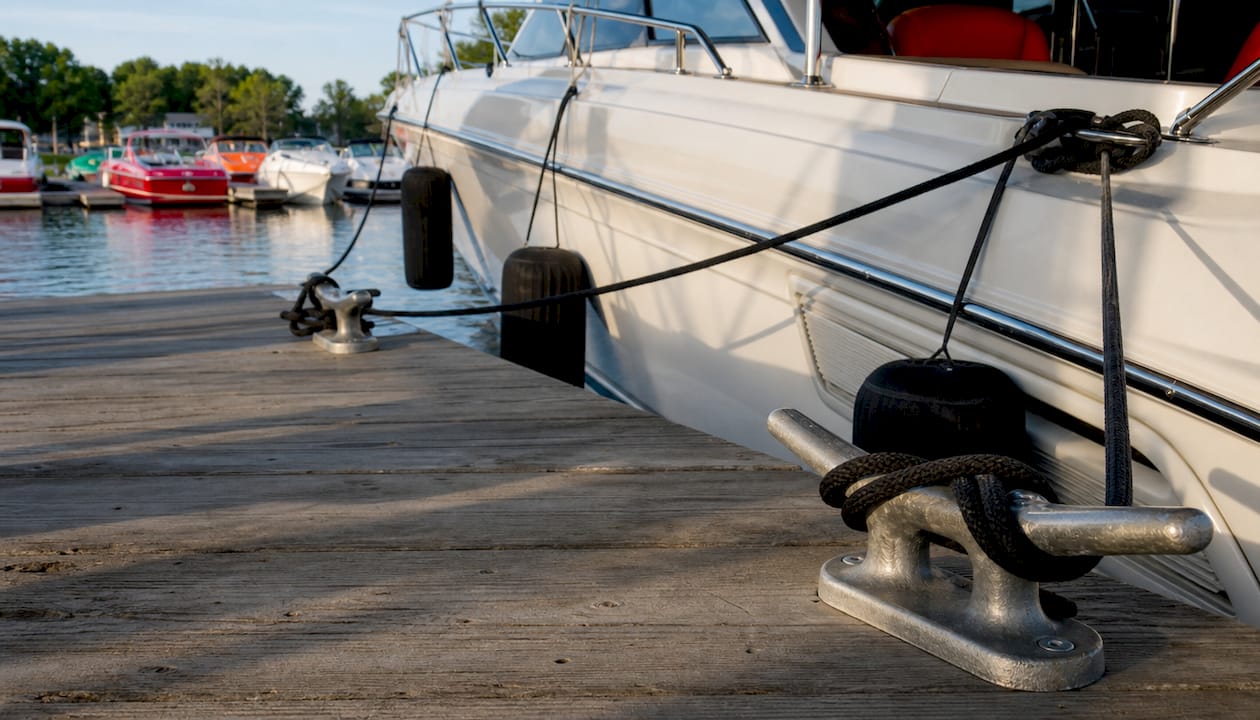
Spring lines can also pivot a boat in tight slips or hold it steady against wind pressure. This technique is especially useful when wind pushes the stern away from the dock. Attach the spring line, apply a brief forward throttle pulse with the wheel turned away from the dock, and the stern swings in.
| Line type | Primary function | Common mistake |
|---|---|---|
| Bow line | Holds the bow to the dock | Tying it too short, limiting adjustment |
| Stern line | Holds the stern to the dock | Leaving too much slack, allowing surging |
| Forward spring | Prevents forward movement | Skipping it entirely in calm conditions |
| Aft spring | Prevents backward movement | Rigging it after the boat is already secured |
Key rules for line and fender handling:
- Position fenders at the widest point of the hull, not at the bow or stern
- Remove slack from all lines once the boat is secured to prevent surging
- Never tie lines so tight that they strain against tidal change
- Keep lines clear of the propeller at all times during maneuvering
- Secure the bow line first, then the stern line, then add spring lines
Understanding essential boat terms like cleat, spring line, and gunwale helps you communicate clearly with crew during the docking sequence.
How do wind, current, and tide affect docking?
Environmental forces are the variable that most boaters underestimate. Reading wind and current before docking lets you use those forces as natural brakes or aids rather than fighting them. Approaching into the wind or current gives you better control at low speeds and shortens your stopping distance.
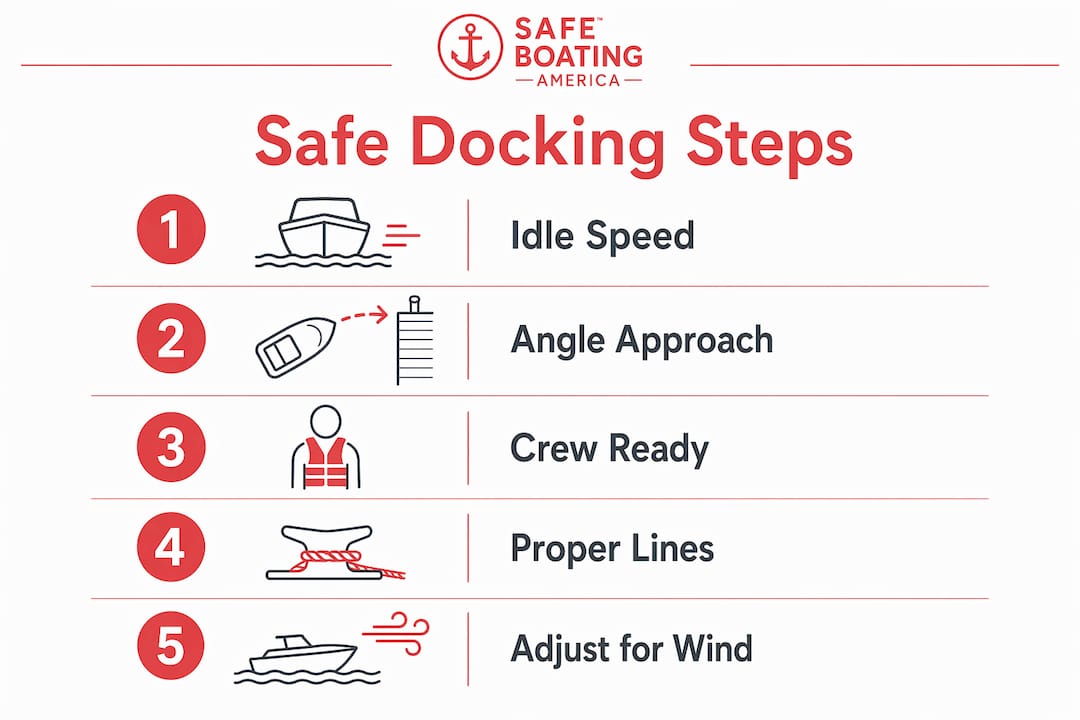
The table below shows common conditions and the recommended adjustment:
| Condition | Effect on boat | Recommended adjustment |
|---|---|---|
| Wind on the beam | Pushes boat sideways toward or away from dock | Increase approach angle; use spring line to compensate |
| Wind off the dock | Pushes boat away from dock | Approach at steeper angle; assign crew to pull bow in |
| Current pushing stern | Rotates stern away from dock | Use forward spring line and brief throttle to pivot stern |
| Calm conditions | Minimal drift | Standard 20°–30° approach angle works well |
Tidal change also affects line tension. A boat tied at low tide may strain its lines when the tide rises, or hang awkwardly when it drops. Leave enough slack in dock lines to accommodate the expected tidal range at your location.
Pro Tip: Before committing to a slip, idle past it and observe how the wind moves your boat. That 30-second pass tells you more than any forecast.
Boat navigation skills directly support your ability to read current and plan your approach vector, especially in tidal waterways.
What safety mistakes should boaters avoid when docking?
The most dangerous instinct in docking is using your hands or feet to stop the boat. Fenders absorb contact safely; hands and feet do not. A boat moving at even idle speed carries enough mass to crush fingers against a dock piling. Use fenders and lines, not body parts.
“The professional approach to a bad docking situation is simple: abort, pull back, and try again. There is no shame in a second attempt. There is real risk in forcing a bad approach to completion.”
Additional safety rules that prevent the most common docking accidents:
- Never allow last-second speed corrections; they cause overcorrection and collisions
- Do not let multiple crew members shout commands simultaneously
- Use neutral actively to bleed momentum before the final approach
- Keep all crew seated or holding a secure handhold until lines are cleated
- Never step onto the dock before the boat is fully stopped and secured
A calm decision to abort and retry is always the right call when the approach feels wrong. Aborting a docking attempt and restarting is standard professional practice, not a sign of poor seamanship.
Key Takeaways
Safe boat docking requires idle-speed approach, pre-deployed fenders, assigned crew roles, and an approach angle adjusted for wind and current before you commit to the slip.
| Point | Details |
|---|---|
| Approach at idle speed | Excessive speed is the primary cause of docking damage; drop to idle at least two boat lengths out. |
| Deploy fenders and lines early | Rig fenders and dock lines before entering the marina area to free your attention for the approach. |
| One captain commands | Assign one person to give all orders during docking; multiple voices increase accident risk. |
| Use spring lines for control | Spring lines prevent forward and backward movement and can pivot the stern in tight slips. |
| Abort if the approach is wrong | Pulling back and retrying is safer than forcing a bad angle to completion. |
What I’ve learned after years of watching boaters dock
The single biggest mistake I see is boaters treating docking as the end of the trip rather than a maneuver that deserves the same focus as any other. People relax too early. They start thinking about the dock lines while they are still moving too fast, and then they rush the last 20 feet.
The captains who dock cleanly every time share one habit: they make their decisions early. They read the wind on the way into the marina, not when they are already committed to a slip. They brief the crew before the approach, not during it. Practicing approach angles in open water with a buoy as a target builds the muscle memory that makes real docking feel routine.
Patience is the actual skill. A second approach costs you two minutes. A collision costs you far more. The willingness to abort and retry is what separates experienced mariners from anxious ones. If the angle is off, pull back. The dock will still be there.
— Richard
Safeboatingamerica: build your docking confidence with certified training
Knowing the recommended techniques is the first step. Applying them under real conditions, with a certified instructor watching your approach, is what builds lasting competence.
Safeboatingamerica offers boating safety certification courses taught by USCG-Licensed Captains and State Certified Instructors using NASBLA-approved materials. Docking procedures, line handling, and environmental awareness are all covered in the curriculum. Courses are available online, via live Zoom, and in person across every U.S. state. Whether you need a New York boating license under Brianna’s Law, a Connecticut Safe Boating Certificate, or a state-approved course in Florida, California, or Texas, Safeboatingamerica provides same-day certification options with flexible scheduling.
FAQ
What is the most recommended practice when docking a boat?
Approaching at idle speed is the top recommended practice. Excessive speed is the primary cause of docking damage, and idle throttle keeps the boat steerable without dangerous momentum.
What angle should you use when approaching a dock?
Approach at an angle between 20° and 45°, adjusted for wind and current. Steeper angles give more room to pivot; shallower angles work best in calm, open conditions.
What are spring lines and why do they matter?
Spring lines are dock lines that run diagonally from the boat to the dock. They control forward and backward movement and can pivot the stern into a tight slip when combined with a brief throttle pulse.
Is it safe to use your hands to stop the boat at the dock?
No. Using hands or feet to fend off the dock risks serious injury. Fenders absorb contact safely and are the correct tool for protecting the hull and crew during final approach.
When should you abort a docking attempt?
Abort any time the approach angle feels wrong or conditions shift unexpectedly. Pulling back and retrying is standard professional practice and far safer than forcing a bad approach to completion.