Essential Boat Terms Every Boater Needs to Know
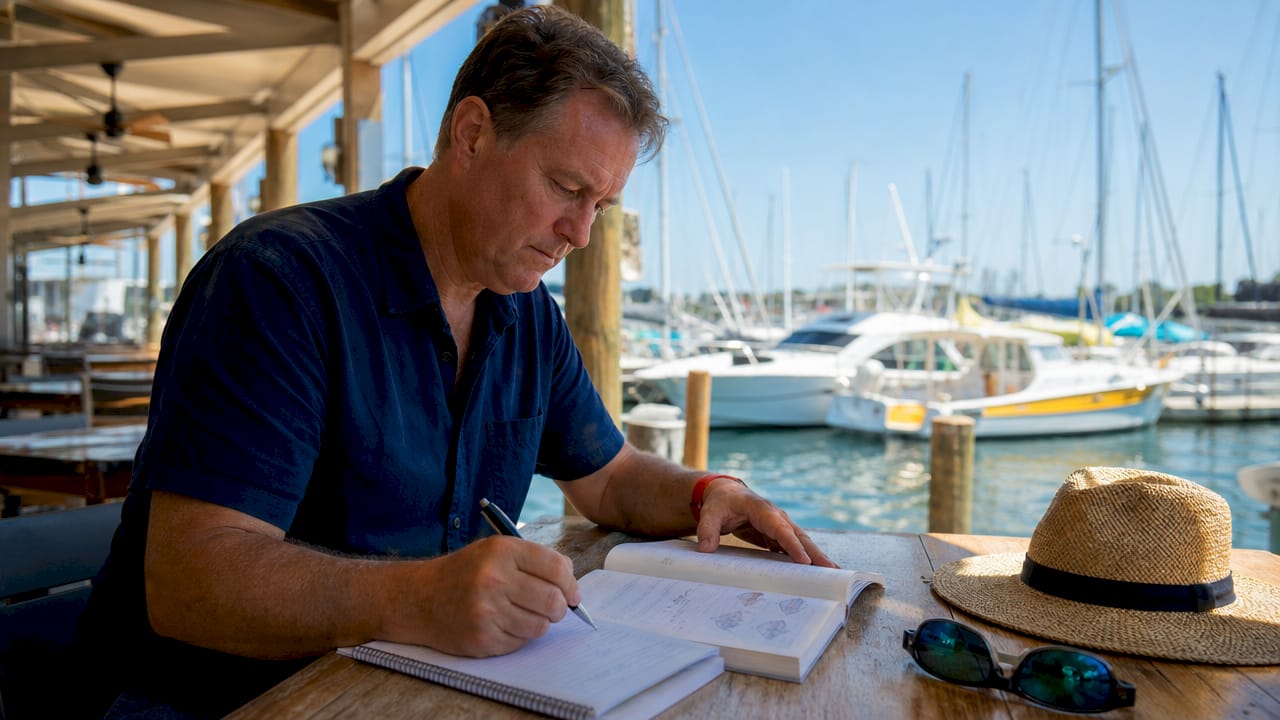
Boat terms are standardized nautical words that ensure clear, unambiguous communication on the water. Knowing the difference between port and starboard, bow and stern, or hull and transom is not optional vocabulary practice. It is the foundation of safe vessel operation. Sources like Sunsail, Boat Trader, and DriveABoat Canada all confirm that mastering nautical vocabulary reduces accidents and builds crew confidence. Whether you are a first-time boater or returning to the water after years away, these terms form the core of safe and effective boating.
1. What are the fundamental directional boat terms?
Directional boat terminology is the first category every boater must master. Boat Trader confirms that terms like port, starboard, bow, and stern provide irreplaceable clarity regardless of where a crew member is standing or which way they are facing. “Left” and “right” change depending on your position. Port and starboard never do.
Here are the four core directional terms:
- Bow: The front of the boat. All forward movement heads toward the bow.
- Stern: The rear of the boat. Reversing moves the vessel toward the stern.
- Port: The left side of the boat when you are facing the bow. Associated with the color red in navigation lights.
- Starboard: The right side of the boat when you are facing the bow. Associated with green in navigation lights.
Two additional terms complete the directional picture for navigation:
- Nautical mile: A unit of distance equal to 1,852 meters. It is slightly longer than a standard land mile and is used universally in marine navigation.
- Knot: A unit of speed equal to one nautical mile per hour. Saying “knots per hour” is a common beginner error. A knot already includes the “per hour” component.
Pro Tip: To remember port vs. left, note that both “port” and “left” have four letters. That one trick eliminates the most common directional error on the water.
2. Which structural boat terms matter most for safety?
Structural nautical vocabulary covers the physical parts of the vessel. DriveABoat Canada notes that beam, draft, and freeboard directly affect stability and handling. Knowing these terms helps you communicate clearly during docking, maintenance, and emergencies.
| Term | Definition | Why It Matters |
|---|---|---|
| Hull | The main body of the boat | Describes the vessel’s overall structure and watertight shell |
| Transom | The flat structural wall at the stern | Mounting point for outboard motors; critical in collision reports |
| Freeboard | Vertical distance from the waterline to the gunwale | Lower freeboard means waves can enter more easily |
| Beam | The widest point of the boat | Determines whether a vessel fits in a marina slip |
| Draft | Depth of the hull below the waterline | Affects which waters the boat can safely enter |
| Gunwale | The upper edge of the boat’s side | The rail you grip when boarding or moving around the deck |
Measurement terms like beam and freeboard are vital for daily safety, docking, and understanding vessel buoyancy. New boaters often overlook these terms, but they are the ones that matter most when you are assessing a marina slip or reading a weather report.
Pro Tip: Before booking a slip, always check your boat’s beam measurement against the slip width. A few inches of difference can make docking impossible or unsafe.
3. How does navigation and control terminology improve your skills?
Navigation and control terms cover how a vessel is steered and directed. The helm is the most central term in this category. Traditionally, the helm referred to the steering wheel. YachtWorld explains that modern helm stations now include electronic controls and joystick docking aids, expanding the term well beyond a simple wheel. Recognizing this prevents confusion when receiving instruction on newer vessels.
Key navigation and control terms include:
- Helm: The control station where the operator steers the vessel. On modern boats, this includes chart plotters, throttle controls, and joystick systems.
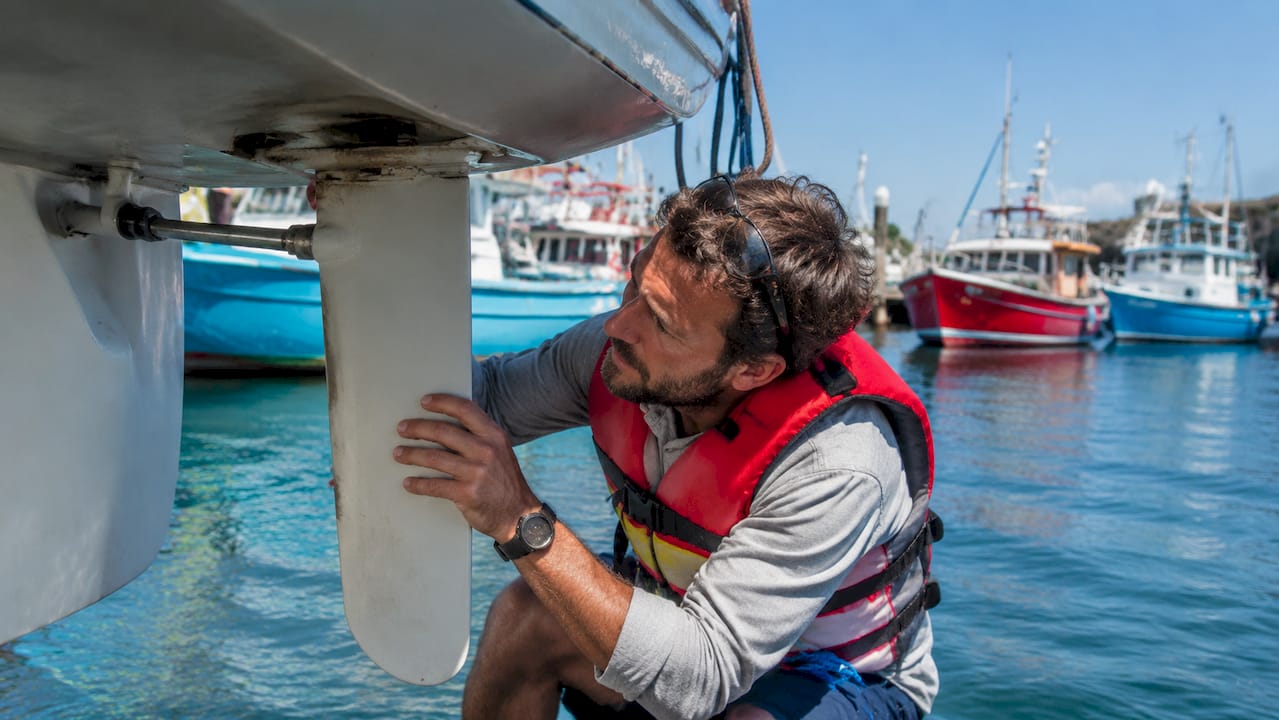
- Rudder: The underwater blade that steers the boat by redirecting water flow. Turning the rudder changes the vessel’s direction.
- Ahead: A command meaning to move the vessel forward.
- Astern: A command meaning to move the vessel backward.
- Bearing: The direction of travel or the direction to a specific point, measured in degrees from north.
- Heading: The direction the bow is currently pointing.
Understanding modern helm controllers for docking is particularly useful for new boaters. Joystick systems allow precise low-speed maneuvering in tight marina spaces. Knowing the term “helm” covers this technology prevents miscommunication between captains and crew. You can read more about boat navigation tools and how they connect to these terms in practice.
4. What crew commands and safety terms prevent accidents?
Crew command terminology is the operational layer of marine lingo. These are the words spoken under pressure, during docking, in rough weather, and in emergencies. GJW Direct confirms that mastering crew commands and hazard management terms reduces accidents for both beginner and veteran boaters.
Core crew commands and safety terms every boater should know:
- Aye aye: Confirmation that a command has been heard and will be carried out. Not just “yes.” It signals active compliance.
- Hard to port / Hard to starboard: A command to turn the wheel fully in the named direction. Used in urgent situations.
- Fender: A cushion placed between the boat and a dock or another vessel to prevent hull damage during docking.
- Cleat: A fixed fitting on the dock or boat used to secure lines. Knowing how to cleat a line correctly is a basic docking skill.
- Mooring: Securing a vessel to a fixed point such as a buoy, dock, or anchor. Mooring lines are the ropes used to hold the boat in place.
- Mayday: The international distress call used when a vessel or person is in immediate danger. Transmitted on VHF Channel 16.
- Cross Track Error (XTE): The distance a vessel has deviated from its planned route. GPS chart plotters display XTE to help navigators correct course.
Standardized terms eliminate ambiguity and save crucial reaction time in emergencies. A command like “hard to starboard” is unambiguous regardless of who is on deck. “Turn right” depends entirely on which way the crew member is facing. That difference can matter enormously in a fast-moving situation. Review the full list of required safety equipment to understand how these terms connect to gear you are legally required to carry.
5. What are common sailing and rigging terms for sailboat operators?
Sailing terminology adds a layer of vessel-specific marine lingo that powerboat operators rarely encounter. If you operate or crew on a sailboat, these terms are non-negotiable for safe coordination.
- Boom: The horizontal pole extending from the base of the mast. It controls the lower edge of the mainsail. A swinging boom is one of the most common causes of head injuries on sailboats.
- Mast: The vertical pole that supports the sails. Mast height determines clearance under bridges.
- Tack: Turning the bow of the boat through the wind so the wind changes from one side to the other. Also refers to the lower forward corner of a sail.
- Jibe: Turning the stern through the wind. A jibe causes the boom to swing across the boat rapidly, which requires crew awareness.
- Windward: The side of the boat facing into the wind.
- Leeward: The side of the boat sheltered from the wind. Pronounced “loo-ward” in traditional sailing language.
- Heeling: The leaning of a sailboat caused by wind pressure on the sails. Moderate heeling is normal. Excessive heeling signals a need to reduce sail.
Viewing nautical terms as safety language rather than vocabulary motivates better learning outcomes for new boaters. Sailing terms like jibe and tack describe physical events that happen quickly. Knowing the word means you know what to do when the captain calls it out.
6. What anchoring and docking terms should every boater recognize?
Anchoring and docking are two of the highest-risk moments in any boating trip. Precise vessel terms in these situations prevent collisions, line tangles, and equipment damage.
Anchor terminology:
- Rode: The line or chain connecting the anchor to the boat. Proper rode length is calculated as a ratio to water depth, called scope.
- Scope: The ratio of rode length to water depth. A 7:1 scope is standard in calm conditions. More scope provides better holding in rough weather.
- Windlass: A mechanical device used to raise and lower the anchor. Electric windlasses are standard on larger vessels.
Docking terminology:
- Spring line: A dock line that runs at an angle to prevent the boat from moving forward or backward along the dock.
- Breast line: A short line running perpendicular from the boat to the dock, holding the vessel close to the pier.
- Alongside: Positioned parallel to a dock or another vessel.
Knowing boat requirements for U.S. waters includes understanding how anchoring and docking procedures connect to federal and state regulations. Proper anchoring technique, for example, is tied to rules about how far offshore you must anchor in certain areas.
7. How do weather and sea condition terms affect boating decisions?
Weather and sea condition vocabulary directly influences whether you leave the dock at all. These terms appear in marine forecasts, VHF weather broadcasts, and Coast Guard advisories.
- Swell: A series of waves generated by distant weather systems. Swells can be large and smooth even in calm local conditions.
- Chop: Short, irregular waves caused by local wind. Chop makes for an uncomfortable ride and increases spray.
- Beaufort Scale: A numerical scale from 0 to 12 that describes wind speed and sea conditions. Force 6 on the Beaufort Scale signals strong breeze conditions with large waves.
- Small craft advisory: A National Weather Service warning issued when winds or wave heights may be hazardous to small vessels.
- Visibility: The distance at which objects can be clearly seen. Reduced visibility triggers specific navigation rules, including the use of sound signals.
New boaters should focus on orientation and control terms before diving into obscure sailing jargon. Weather terms fall squarely in the “must know” category because they directly affect go or no-go decisions before every trip.
Key takeaways
Mastering core boat terms is the single most direct way to improve safety, reduce communication errors, and operate with confidence on the water.
| Point | Details |
|---|---|
| Directional terms are non-negotiable | Port, starboard, bow, and stern eliminate orientation-based confusion in any crew situation. |
| Structural terms support docking and emergencies | Beam, freeboard, and draft help boaters assess conditions and communicate clearly under pressure. |
| Helm terminology has expanded | Modern helm stations include joystick and electronic controls, not just a steering wheel. |
| Crew commands save reaction time | Standardized commands like “hard to starboard” work regardless of where crew members are standing. |
| Weather terms drive go or no-go decisions | Terms like small craft advisory and Beaufort Scale directly affect safe departure choices. |
Why I treat boat terms as the first safety lesson, not the last
Most new boaters treat nautical vocabulary as background material. They plan to pick it up as they go. That approach works fine until it doesn’t, and when it fails, it tends to fail fast.
I have seen crew members freeze during a docking maneuver because the captain called “hard to port” and they hesitated for two seconds trying to remember which side that was. Two seconds at the wrong moment costs you a cleat, a fender, or worse. The fix is not more experience on the water. The fix is drilling the terms before you leave the dock.
What I find most useful is treating directional terms, structural terms, and crew commands as three separate learning phases. Get the directional terms locked in first. Then learn the structural vocabulary so you can describe your boat accurately in any situation. Then move to commands and safety terms, which are the ones you will actually speak out loud under pressure.
The boaters who struggle most are the ones who treat boating as a sport first and a skill set second. The terminology is the skill set. It is the shared language that makes every other part of boating work.
— Richard
Safeboatingamerica courses build your nautical vocabulary from day one
Safeboatingamerica teaches essential boat terminology as part of every state-approved boating safety course. Courses cover directional terms, structural vocabulary, crew commands, navigation rules, and emergency procedures, all taught by USCG-Licensed Captains and State Certified Instructors using NASBLA-approved materials.
Whether you need a New York boating safety class compliant with Brianna’s Law, a Connecticut Safe Boating Certificate, or a boating license course in any U.S. state, Safeboatingamerica offers online, Zoom, and in-person options. Students can complete certification the same day in many cases. Get your boating safety certification through Safeboatingamerica and start your time on the water with the vocabulary and knowledge to stay safe.
FAQ
What are the most important boat terms for beginners?
The most critical boat terms for beginners are bow, stern, port, starboard, hull, and helm. These six terms cover direction, structure, and control, which are the three areas where communication errors cause the most problems.
What does “port” mean on a boat?
Port is the left side of the boat when you are facing the bow. It is always associated with red navigation lights and never changes regardless of which direction the boat is traveling.
What is the difference between a knot and a nautical mile?
A nautical mile equals 1,852 meters and measures distance. A knot measures speed and equals one nautical mile per hour. Saying “knots per hour” is redundant and incorrect.
Why do boaters use port and starboard instead of left and right?
Port and starboard standardize references regardless of a crew member’s orientation. Left and right shift depending on which way a person is facing, which creates dangerous ambiguity during fast-moving situations.
What is freeboard on a boat?
Freeboard is the vertical distance from the waterline to the top edge of the hull, called the gunwale. Lower freeboard means the boat sits closer to the water, which increases the risk of waves entering the vessel in rough conditions.
Recommended
- Boat Requirements: What Every U.S. Boater Must Know - Safe Boating America
- Boat Safety Equipment: What Every Boater Must Carry - Safe Boating America
- Essential boating electronics for safe and legal operation - Safe Boating America
- Boat Navigation: Methods, Tools & Safety Guide - Safe Boating America