Boater Sports: Activities, Safety, and Certification
Boater sports are water-based recreational activities performed either behind a motorboat or on a personal watercraft, and they include tow-sports like tubing, wakeboarding, and water skiing as well as Jet Ski riding. The industry term covering most of these activities is “tow sports” or “watercraft sports,” though “boater sports” captures the full range of recreational boating experiences. Whether you are a first-timer stepping onto a tube or an experienced rider carving wakes, understanding the activities, required safety gear, and legal certification requirements is what separates a fun day on the water from a dangerous one.
What are the most popular boater sports?
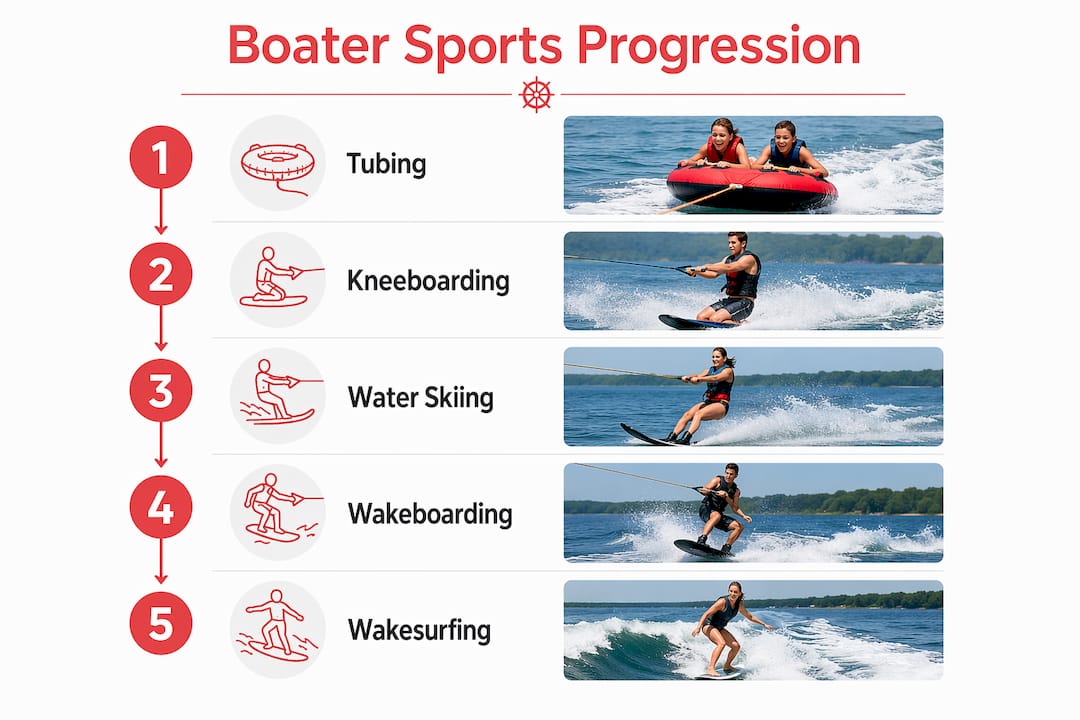
Boater sports are structured in increasing order of skill and physical demand, starting from tubing for beginners and progressing to advanced wake sports. That progression matters because choosing the wrong activity for your skill level is the most common mistake new participants make.
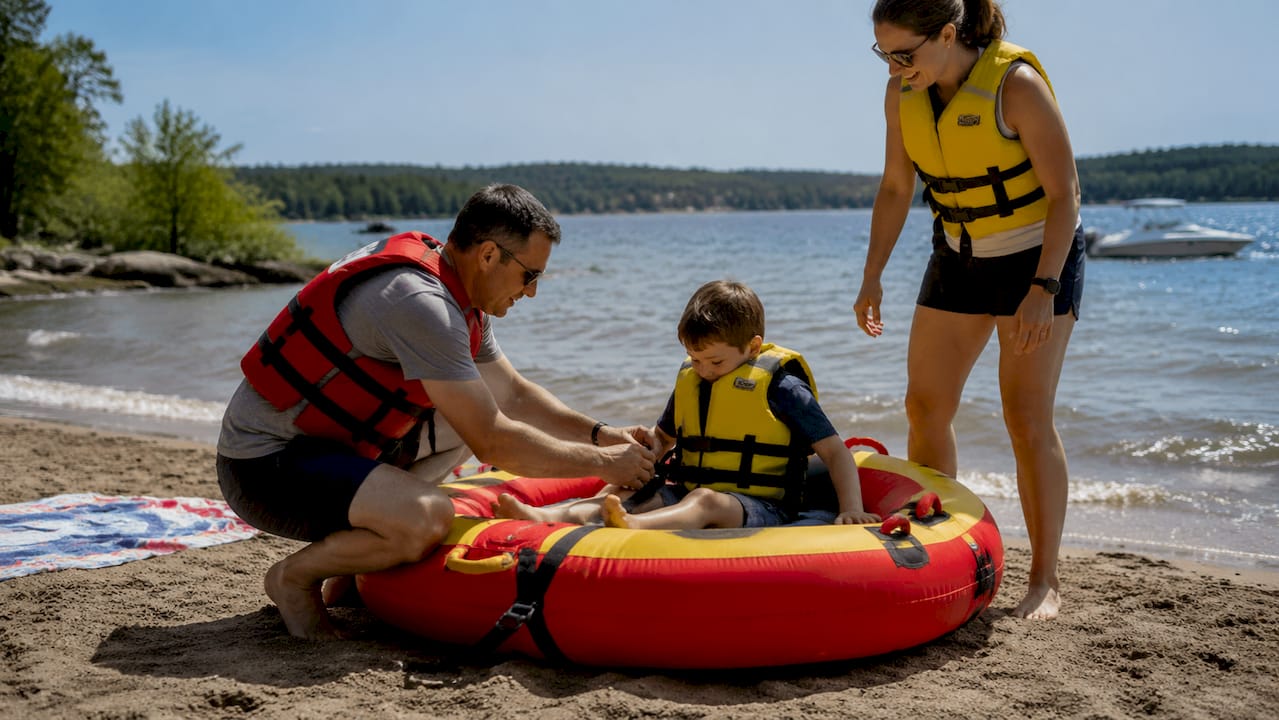
Tubing is the entry point for most people. You sit or lie on an inflatable tube towed behind a motorboat, and the only real skill required is holding on. It is accessible for children and adults alike, making it the most popular water sports activity at family outings and lake rentals.
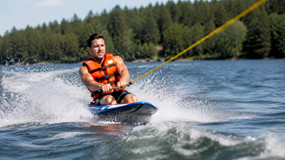
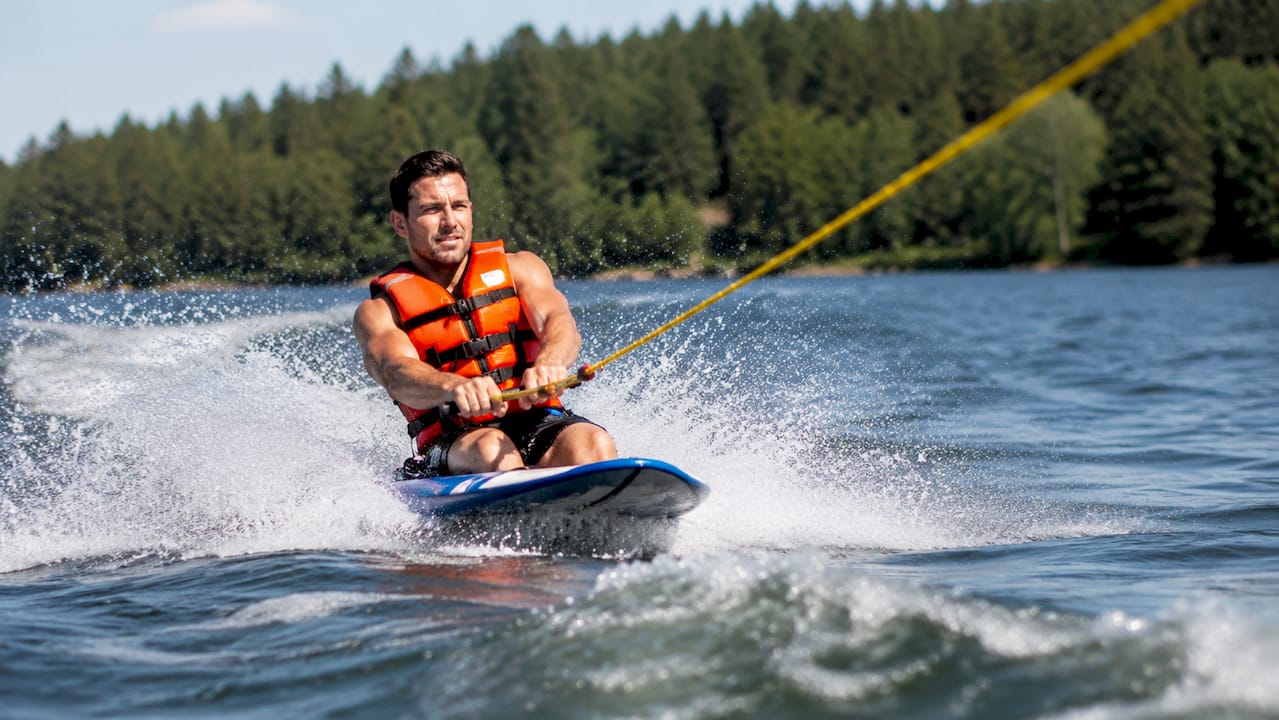
Kneeboarding sits one step above tubing. You ride on a molded board while kneeling, towed at moderate speeds. The kneeling position keeps your center of gravity low, which makes it physically manageable for youth and beginners who want more engagement than tubing provides.
Water skiing and slalom skiing require balance, leg strength, and coordination. Standard two-ski setups are easier to learn, while slalom skiing on a single ski demands precise edge control and body positioning. Most beginners can stand up on two skis within a few attempts with proper instruction.
Wakeboarding is an intermediate to advanced sport. You ride a short, wide board with fixed bindings, using the boat’s wake as a ramp for aerial tricks. The learning curve is steeper than water skiing because the board’s fixed bindings require a specific fall technique to avoid injury.
Wakesurfing is the most equipment-specific of the tow sports. Specialized wake-surf boats use water-ballast tanks and large transom tabs to generate a large, surfable wake without a tow rope. Once you catch the wave, you release the rope and surf freely. This sport requires a purpose-built boat, not just any motorboat.
Personal watercraft (PWC) riding, including Jet Ski and WaveRunner operation, is a separate category. PWC use involves operating a standalone motorized vessel rather than being towed. The learning curve for basic operation is low, but understanding PWC surf conditions and handling at speed requires practice and formal training.
| Activity | Skill Level | Physical Demand | Key Equipment |
|---|---|---|---|
| Tubing | Beginner | Low | Inflatable tube, tow rope |
| Kneeboarding | Beginner/Intermediate | Low to moderate | Kneeboards, tow rope |
| Water skiing | Intermediate | Moderate | Skis, tow rope, handle |
| Wakeboarding | Intermediate/Advanced | Moderate to high | Wakeboard with bindings |
| Wakesurfing | Advanced | Moderate | Ballast boat, surf board |
| PWC/Jet Ski | Beginner to Intermediate | Low to moderate | Personal watercraft |
Pro Tip: Start with tubing for at least one full session before moving to kneeboarding or water skiing. The experience teaches you how the boat behaves, how tow ropes feel under tension, and how to signal the driver, all of which directly improve your safety and performance in harder sports.
What safety equipment is mandatory for boater sports?
Federal law sets the baseline for safety gear on every recreational boat in the United States. USCG rules require one approved PFD per person onboard, plus a throwable flotation device on any boat 16 feet or longer. These are minimums, not recommendations.
The type of PFD you carry matters as much as having one. Inflatable life jackets are not approved for persons under 16 or for high-impact activities like water skiing or PWC riding. Foam-filled Type III or Type V PFDs are the correct choice for active tow sports. Using an inflatable PFD during wakeboarding or Jet Ski riding is a legal violation and a genuine safety risk.
Here is a summary of the required and recommended safety gear for boater sports:
- Wearable PFDs: One USCG-approved PFD per person onboard, sized and rated for the activity
- Throwable device: Required on boats 16 feet and longer; a Type IV throwable cushion or ring buoy qualifies
- Foam-filled PFDs: Mandatory for riders under 16 and for water skiing, wakeboarding, and PWC activities
- Ski flag: A bright orange or red flag displayed when a skier or rider is in the water
- Fire extinguisher: Required on motorboats with enclosed engine compartments
- Sound-producing device: A horn or whistle is federally required on all recreational vessels
PFD compliance is more than a checkbox. Proper carriage and correct usage during boating sports directly affect safety outcomes and can determine the result of a Coast Guard enforcement stop.
Pro Tip: Build a pre-departure checklist that includes confirming every PFD is accessible, not buried under gear, and that your throwable device is mounted within reach of the helm. Checking this before you leave the dock takes two minutes and eliminates one of the most common compliance failures.
You can review a full breakdown of required gear at boat safety equipment for a state-by-state reference.
How does boater education improve safety and legal compliance?
Boater education is the single most effective tool for reducing accidents and meeting state legal requirements. Most states require NASBLA-approved boating safety courses that take 4–8 hours to complete, with online options available in nearly every state.
NASBLA, the National Association of State Boating Law Administrators, sets the national curriculum standard. Courses cover navigation rules, emergency procedures, accident prevention, required safety equipment, and state-specific boating laws. Completing a NASBLA-approved course is the path to receiving an official boating safety certificate, which many states require operators to carry onboard.
Follow these steps to get certified correctly:
- Identify your state’s requirement. Age thresholds, mandatory course formats, and enforcement rules vary by state. California, New York, Florida, and Texas each have distinct rules.
- Choose a NASBLA-approved course. Online, live Zoom, and in-person formats are all available. Confirm the course is approved for your specific state before enrolling.
- Complete the exam. Most online courses require a proctored or monitored final exam. Passing scores and attempt limits vary by state.
- Carry your certificate onboard. Many states require the physical or digital certificate to be present during operation. A certificate left at home does not satisfy enforcement requirements.
- Confirm reciprocity before traveling. Many states recognize out-of-state certifications but apply specific conditions based on exam format, age, and watercraft type.
Boater education certificates are not universal permissions. They are credentials subject to conditions depending on the state and the type of watercraft you operate. A certificate earned in New Jersey may satisfy Florida’s requirements under reciprocity, but that is not guaranteed without verification.
Pro Tip: Before boating in a new state, check that state’s boating authority website directly. Reciprocity is not automatic, and NASBLA course reciprocity rules differ based on whether your course was instructor-led or self-paced.
For a full state-by-state breakdown, the 50-state boating license guide from Safeboatingamerica covers certification requirements and reciprocity details for 2026.
What are the navigation light requirements for recreational boats?
Navigation lights are legally required on every recreational boat operated between sunset and sunrise or during reduced visibility conditions such as fog or heavy rain. Boats must display proper navigation lights based on vessel type and size. This is not optional, and non-compliance carries federal penalties.
The standard lighting setup for recreational motorboats includes red and green sidelights (port and starboard) and an all-round white light visible from 360 degrees. Boats under 26 feet may combine these into a single tri-color masthead light. Boats 26 feet and longer must display separate sidelights and a stern light.
| Vessel Type | Required Lights | Notes |
|---|---|---|
| Motorboat under 26 ft | Sidelights + all-round white | Combination light acceptable |
| Motorboat 26 ft and over | Sidelights + masthead + stern | Separate lights required |
| Sailboat under sail | Sidelights + stern light | No masthead white light |
| Canoe or kayak | All-round white light or flashlight | Minimum requirement |
| PWC (Jet Ski) | Sidelights + all-round white | Same as motorboat rules |
Navigation lights vary by vessel category. Boaters must prioritize meeting regulatory standards when purchasing lights, not just selecting lights that look similar to compliant ones. Many aftermarket lights sold online do not meet USCG visibility and color standards.
Pro Tip: When buying navigation lights, look for the USCG-compliant label and confirm the visibility range meets the legal minimum: 1 nautical mile for sidelights on boats under 39.4 feet. Cheap lights often fail this test.
Key takeaways
Boater sports require matching the right activity to your skill level, carrying the correct safety gear for that activity, and holding a valid state-approved boating certificate before you operate any vessel.
| Point | Details |
|---|---|
| Activity progression matters | Start with tubing and advance to wakeboarding or wakesurfing as skills develop. |
| PFD type must match the activity | Foam-filled PFDs are required for water skiing, PWC riding, and riders under 16. |
| Certification is state-specific | NASBLA-approved courses satisfy most states, but reciprocity rules vary and must be verified. |
| Navigation lights are mandatory | All recreational boats need compliant lighting from sunset to sunrise and in low visibility. |
| Pre-departure checks prevent violations | Confirm PFDs, throwable devices, and lights are accessible and compliant before leaving the dock. |
What i have learned after years around boater sports
The biggest mistake I see new participants make is treating safety gear as an afterthought. They spend hours researching wakeboards and Jet Ski models, then show up with inflatable PFDs that are not legal for the activity they are about to do. The gear mismatch is not just a legal problem. It is a real danger.
The second thing I have noticed is that most beginners underestimate how much the boat driver affects the experience. A good driver who knows how to read a rider’s signals, manage speed, and position the boat correctly makes every tow sport safer and more enjoyable. That skill comes from education, not just time on the water.
Formal boater education changed how I think about recreational boating. Before taking a NASBLA-approved course, I thought I knew the rules. The course showed me gaps I did not know I had, particularly around navigation lights and state-specific reciprocity rules. Those are the details that matter when a Coast Guard officer boards your vessel.
My honest recommendation: treat education as part of the sport, not a bureaucratic hurdle. The connection between boating education and accident prevention is well documented. The time you invest in a course pays back every time you take someone out on the water safely.
— Richard
Get certified with Safeboatingamerica
Safeboatingamerica offers state-approved boating safety courses for every U.S. state, including online, live Zoom, and in-person formats taught by USCG-Licensed Captains and State Certified Instructors.
Whether you need a New York boating certificate under Brianna’s Law, a Connecticut Safe Boating Certificate, or a Jet Ski license for Long Island or Nassau County, Safeboatingamerica delivers NASBLA-approved training with same-day certification options. Courses cover navigation rules, PFD requirements, emergency procedures, and state-specific boating laws. Visit Safeboatingamerica to find the right course for your state and get certified quickly, legally, and conveniently. You can also explore online boating courses available nationwide to complete your certification from anywhere.
FAQ
What activities count as boater sports?
Boater sports include tow-sports such as tubing, water skiing, kneeboarding, wakeboarding, and wakesurfing, as well as personal watercraft activities like Jet Ski and WaveRunner riding. These activities are categorized by skill level, from beginner-friendly tubing to advanced wakesurfing.
Do i need a boating license to participate in water sports?
Most states require a boating safety certificate to legally operate any motorboat or PWC used in water sports activities. Requirements vary by state and operator age, so confirm your state’s rules before getting on the water.
What type of life jacket is required for water skiing?
Foam-filled Type III or Type V PFDs are required for water skiing and other high-impact tow sports. Inflatable PFDs are not approved for these activities or for riders under 16 years old.
Are navigation lights required on boats used for water sports?
Yes. Any recreational boat operated from sunset to sunrise or in reduced visibility must display USCG-compliant navigation lights. The specific lights required depend on the vessel’s size and type.
Does my boating certificate work in other states?
Many states recognize out-of-state certifications under reciprocity agreements, but conditions apply based on exam format, age, and watercraft type. Always verify reciprocity with the destination state’s boating authority before traveling.
Recommended
- What is boating safety education: your guide to certification - Safe Boating America
- Boat Safety Equipment: What Every Boater Must Carry - Safe Boating America
- Boat Captains: Certifications, Skills, and Duties - Safe Boating America
- Top 7 Boating Class & Boat License Tips for Safe, Fun Adventures on the Water - Safe Boating America