Boat Captains: Certifications, Skills, and Duties
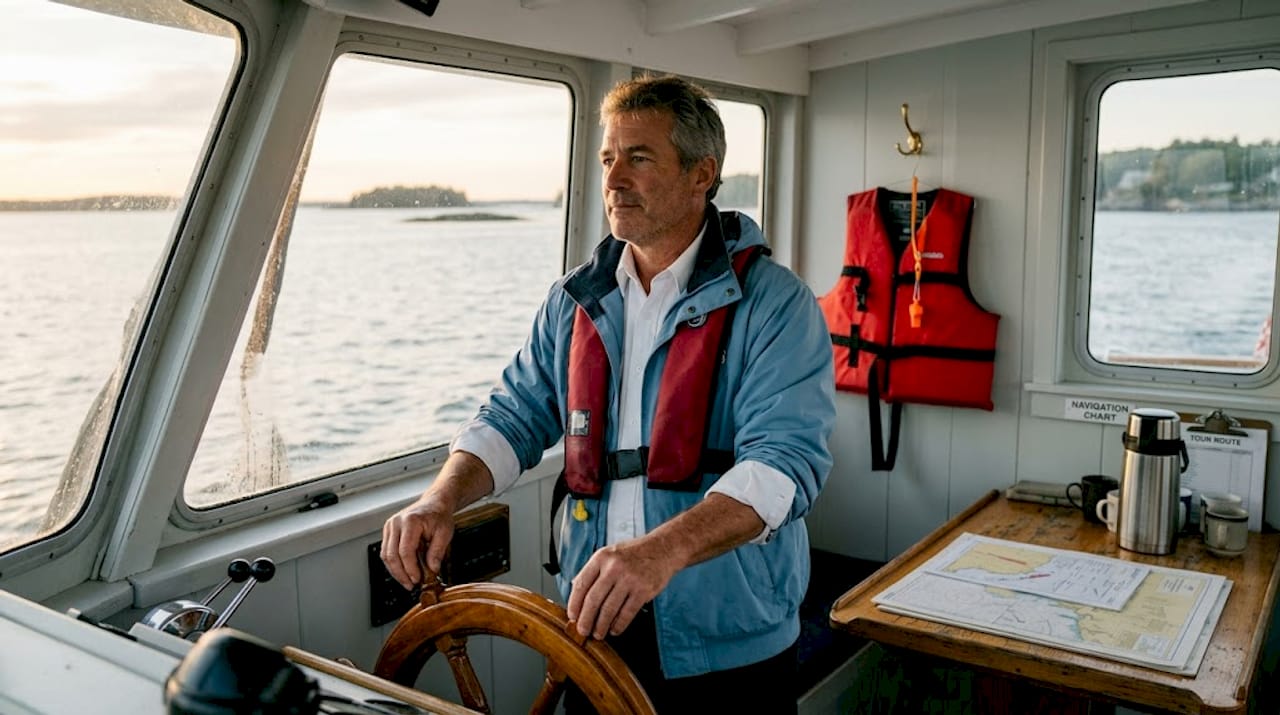
Becoming one of the professional boat captains who operates vessels commercially requires far more than a love of the water. The path involves documented sea time, federal licensing exams, drug screening, and a set of practical skills that no classroom can fully replace. Whether you want to run charter fishing trips, pilot a ferry, or manage a private yacht, the requirements are specific, the standards are high, and the responsibilities are real. This article breaks down every major step, from which certifications matter to what you will actually do on the job each day.
Table of Contents
- Key takeaways
- 1. Essential certifications for boat captains
- 2. Key skills required beyond certification
- 3. How captains rise through the ranks
- 4. Core responsibilities of a professional boat captain
- 5. Certification options and career path comparison
- My perspective on what actually separates effective captains
- Start your certification path with Safe Boating America
- FAQ
Key takeaways
| Point | Details |
|---|---|
| USCG licensing is mandatory | A 50-ton or 100-ton Master license is the standard federal requirement for commercial vessel operation. |
| Sea time documentation matters | Applicants must log verified sea time before sitting for any USCG licensing exam. |
| Skills go beyond the exam | Local knowledge, risk management, and crew leadership separate good captains from great ones. |
| Captaining is a long-term career | Some captains work relentless schedules for 25 or more years. |
| Foundation roles accelerate growth | Starting as a deckhand builds hands-on knowledge and leadership credibility before taking command. |
1. Essential certifications for boat captains
The U.S. Coast Guard (USCG) issues the core licenses that define legal authority to operate commercial vessels in American waters. Two credentials come up constantly for aspiring maritime professionals: the USCG 50-Ton Master license and the USCG 100-Ton Master license.
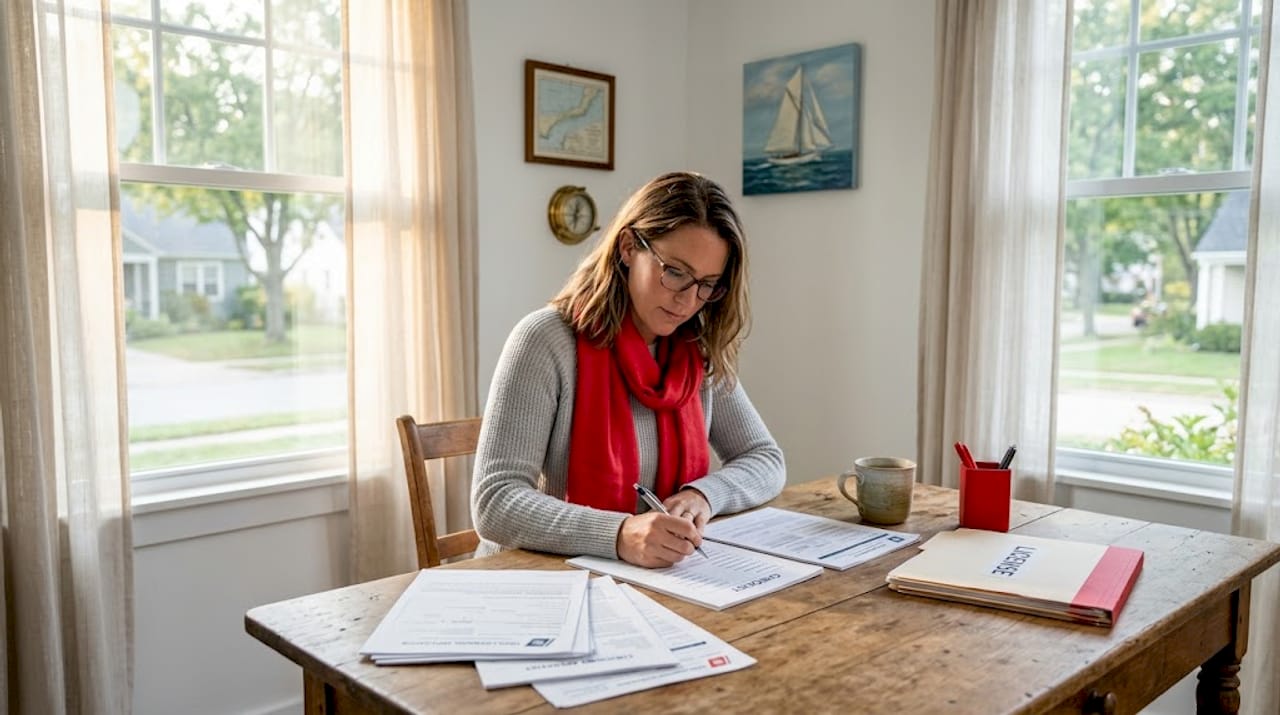
The 50-Ton license covers vessels up to 50 gross tons and is the entry point for most charter captains, dive boat operators, and small passenger vessel skippers. The 100-Ton Master license expands your authority to larger vessels and opens doors to more lucrative commercial opportunities. Both require documented sea time, a clean background check, a physical examination, and passing scores on multiple written exams covering rules of the road, navigation, seamanship, and federal regulations.
Key requirements for both licenses include:
- Sea time: 360 days of documented service on the water, with 90 of those days within the past three years
- Drug screening: Random testing is a continuing compliance requirement, not a one-time hurdle
- First aid and CPR: Current certification is mandatory before applying
- Transportation Worker Identification Credential (TWIC): Required for vessels entering secure maritime facilities
Beyond the USCG license, licensed boat skippers operating internationally or on larger yachts often pursue Standards of Training, Certification and Watchkeeping (STCW) credentials. STCW Basic Safety Training covers fire prevention, survival craft operation, first aid, and personal safety. It is the global benchmark recognized by ports and employers worldwide.
Pro Tip: Plan your certification progression before you log your first day of sea time. Decide early whether you are targeting a 50-ton or 100-ton license, because the sea time requirements and exam content are slightly different. Mapping that path from day one keeps your logbook organized and your timeline realistic.
Understanding USCG compliance requirements in detail before you start the application process saves significant time and prevents documentation errors that delay licensing.
2. Key skills required beyond certification
Passing the USCG exam proves you know the rules. What happens on the water proves you can captain a vessel. Top ship managers prioritize practical mastery and real-world decision-making over theoretical knowledge when evaluating professional boat operators. The gap between a paper captain and an effective one comes down to skills built through sustained time at the helm.
Core technical skills every captain must develop:
- Navigation: Reading charts, using GPS and radar, and plotting courses under varying conditions
- Vessel handling: Docking in wind and current, maneuvering in tight spaces, managing trim and load
- Maintenance knowledge: Recognizing mechanical warning signs early, even if you are not the mechanic
- Weather interpretation: Reading forecasts and sky conditions, not just checking an app
Decision-making is where many aspiring captains underestimate the job. Human judgment remains core to safe maritime operations even as automation expands. Knowing when to delay a trip or refuse a booking because conditions are unsafe is a defining trait of professional captains. Safety decisions made before leaving the dock protect lives more reliably than any skill applied after a problem develops.
Local knowledge is another skill set that no chart or GPS can replicate. Captains with local expertise understand which inlets become dangerous at low tide, where unmarked shoals appear after storms, and how current patterns shift seasonally. This knowledge accumulates only through consistent time in a specific area.
Leadership rounds out the picture. Managing crew members, communicating clearly with passengers, and maintaining calm authority during emergencies are non-negotiable abilities. Yachting environments add a social dimension as well. Understanding yachting professional conduct is genuinely useful for yacht navigation experts working in private charter and superyacht sectors.
Pro Tip: Volunteer crew time on vessels outside your normal comfort zone. A freshwater captain who spends a season on coastal tidal waters gains navigational depth that structured courses cannot replicate.
3. How captains rise through the ranks
Many career captains began as deckhands, working through what the maritime industry calls “the hawsepipe.” This means starting at the bottom of the crew ladder and earning command through demonstrated competence rather than credentials alone.
The deckhand phase builds the foundational knowledge that makes a captain credible to crew. You learn how lines are handled, how deck gear works, how a vessel responds in tight docking situations, and how experienced captains communicate under pressure. That knowledge transfers directly when you take the helm. Crew members respect a captain who has done their job.
A realistic progression for most aspiring boat captain roles looks like this:
- Complete a foundational boating safety course to establish baseline knowledge
- Log sea time as a mate or deckhand on commercial or passenger vessels
- Obtain STCW Basic Safety Training if targeting yachting or international routes
- Apply for the USCG 50-Ton Master license after meeting sea time minimums
- Build operational experience as a licensed captain on smaller vessels
- Upgrade to the 100-Ton license or pursue endorsements based on career goals
Each step compounds the last. The sea time you log as a deckhand counts toward your license application. The knowledge you gain crewing counts even more.
4. Core responsibilities of a professional boat captain
The boat captain roles recognized across the maritime industry share a consistent set of daily and operational duties. Understanding what the job actually demands day to day helps you prepare realistically.
- Command authority: The captain holds ultimate legal and operational responsibility for the vessel, crew, and passengers. Every decision made on board traces back to you.
- Voyage planning: Before departure, captains review weather forecasts, check NOAA notices, plan courses and contingencies, and file float plans where required.
- Safety briefings and drills: Passengers receive pre-departure safety instructions every trip. Crew drills, including man-overboard and fire response, must be conducted regularly. Complacency is a leading cause of safety failures, and frequent drills prevent it.
- Navigation and watch-keeping: Maintaining a proper lookout, monitoring navigation instruments, and adjusting course in response to traffic, weather, and hazards are continuous duties.
- Vessel maintenance oversight: Captains conduct pre-departure checks on engines, safety equipment, fuel levels, and bilge systems. You may not perform every repair yourself, but you are accountable for the vessel’s condition.
- Crew management: Assigning tasks, managing schedules, resolving conflicts, and maintaining morale all fall under your authority.
- Regulatory compliance: Logging hours, filing reports with the USCG when incidents occur, and maintaining current documentation for the vessel and crew are administrative requirements that follow every voyage.
- Passenger management: On charter and passenger vessels, captains set the tone for the experience while maintaining safety as the primary priority.
Some captains work extremely demanding schedules. Seasonal operators can work seven days a week for over six months annually. Career longevity in this profession requires physical stamina, mental discipline, and consistent commitment to professional standards.
5. Certification options and career path comparison
The right license depends on your target vessel type, operating area, and long-term career goals. Here is a direct comparison of the two most common paths for aspiring professional boat operators.
| Feature | USCG 50-Ton Master | USCG 100-Ton Master |
|---|---|---|
| Vessel size limit | Up to 50 gross tons | Up to 100 gross tons |
| Typical use | Charter fishing, dive boats, small passenger vessels | Larger charter vessels, ferries, commercial operators |
| Sea time required | 360 days documented | 360 days documented |
| Exam complexity | Moderate | Higher, with additional navigation modules |
| Career earnings potential | $16 to $32/hour average range | $28 to $42/hour average range |
| Upgrade path | Can upgrade to 100-ton with additional sea time | Can pursue 200-ton and higher with further experience |
Career paths available to licensed captains are broader than most people expect. Common roles include:
- Charter captain: Fishing, diving, sightseeing, and sailing charter operations
- Yacht captain: Private or corporate yacht management, often with STCW requirements
- Ferry pilot: Passenger ferry operations in coastal and inland waters
- Towboat operator: Commercial towing on rivers, bays, and coastal routes
- Water taxi operator: Urban and resort-area passenger transport
Choosing between a 50-ton and 100-ton license is a straightforward calculation. If you plan to operate vessels under 50 gross tons and want to start earning sooner, the 50-ton license is the faster path. If you already have experience and want to position yourself for larger commercial opportunities from the start, investing in the 100-ton exam preparation pays off quickly.
My perspective on what actually separates effective captains
I have worked alongside dozens of maritime professionals over the years, and the ones who last, the ones who crews trust and employers retain, share a specific set of qualities that no certification exam tests for.
Patience is the most underrated skill in this profession. I have watched technically excellent captains make costly mistakes because they were unwilling to wait out weather or push back on a charter client who wanted to go out in marginal conditions. The captains who define safety by prudent decisions before departure, not by reaction skills after a problem develops, build the careers that last 25 years.
The other thing most aspiring captains underestimate is how much local knowledge changes the job. Charts give you depth numbers. Experience gives you the understanding of how that particular inlet behaves on a falling tide after three days of northeast wind. That knowledge is not in any book. You build it by showing up repeatedly and paying attention.
My honest advice: start at the bottom and mean it. Take the deckhand work seriously. Watch how veteran captains handle situations. Ask questions that would embarrass you if you did not already know the answer. The captains I respect most can explain every system on their vessel and have personally fixed most of them at least once. That foundation is what makes command authority real rather than just a credential on paper.
— Richard
Start your certification path with Safe Boating America
If you are serious about becoming a licensed captain, your first formal step is completing an approved boating safety course. Safe Boating America offers state-approved certification courses online, via live Zoom sessions, and in person, designed to meet each state’s specific boating education requirements. Courses are taught by State Certified Instructors and USCG-Licensed Captains using NASBLA-approved materials.
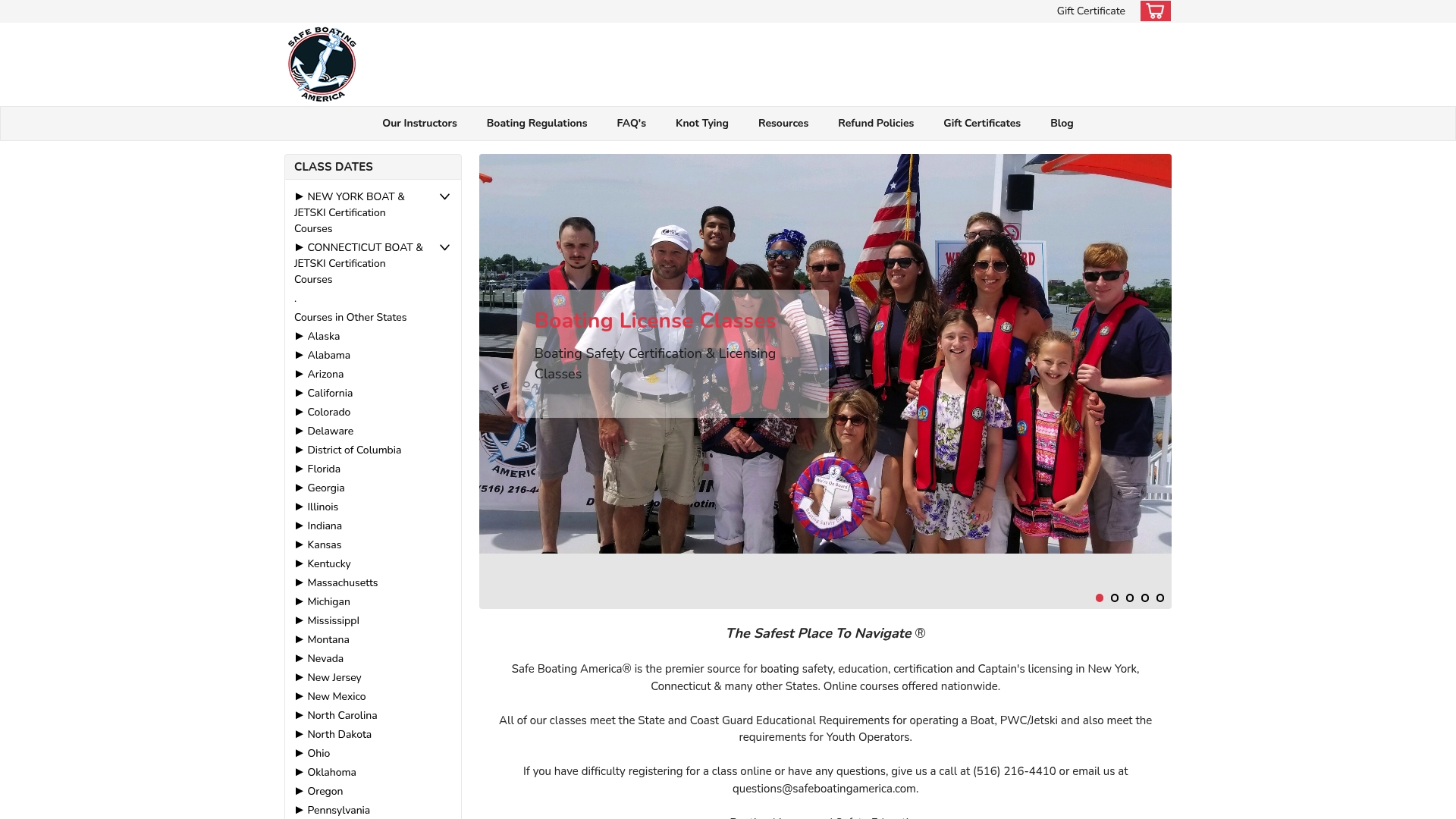
Whether you are working toward your first boating safety certificate or building the documented knowledge base that supports a future USCG license application, online boating courses from Safe Boating America give you a strong, compliant foundation. Many students complete certification the same day. Explore course options for your state and get started with the training that puts your captain career on a documented, legal track.
FAQ
What license do boat captains need to operate commercially?
Most professional boat captains operating in U.S. waters require a USCG Master license, typically a 50-ton or 100-ton credential, depending on vessel size and the type of commercial operation.
How much sea time is required before applying for a USCG captain’s license?
Applicants generally need 360 days of documented sea time, with at least 90 days logged within the three years before the application date.
How much do professional boat captains earn per hour?
As of 2026, captain wages range from approximately $16 to $42 per hour, depending on experience, vessel type, and regional market demand.
Is a boating safety course required before pursuing a USCG license?
A foundational boating safety course is not a formal USCG prerequisite, but it establishes the baseline navigation and safety knowledge that the licensing exams test directly.
Can you become a boat captain without starting as a deckhand?
Technically yes, but starting in deckhand roles builds the hands-on experience and crew credibility that formal training alone cannot provide, and sea time logged while crewing counts toward your license application.
Recommended
- What is boating safety education: your guide to certification - Safe Boating America
- How to Perform a Boat Safety Inspection Step by Step - Safe Boating America
- Essential boating electronics for safe and legal operation - Safe Boating America
- Why boating safety education is mandatory - Safe Boating America