Family Boats: Best Picks for Safe, Fun Outings
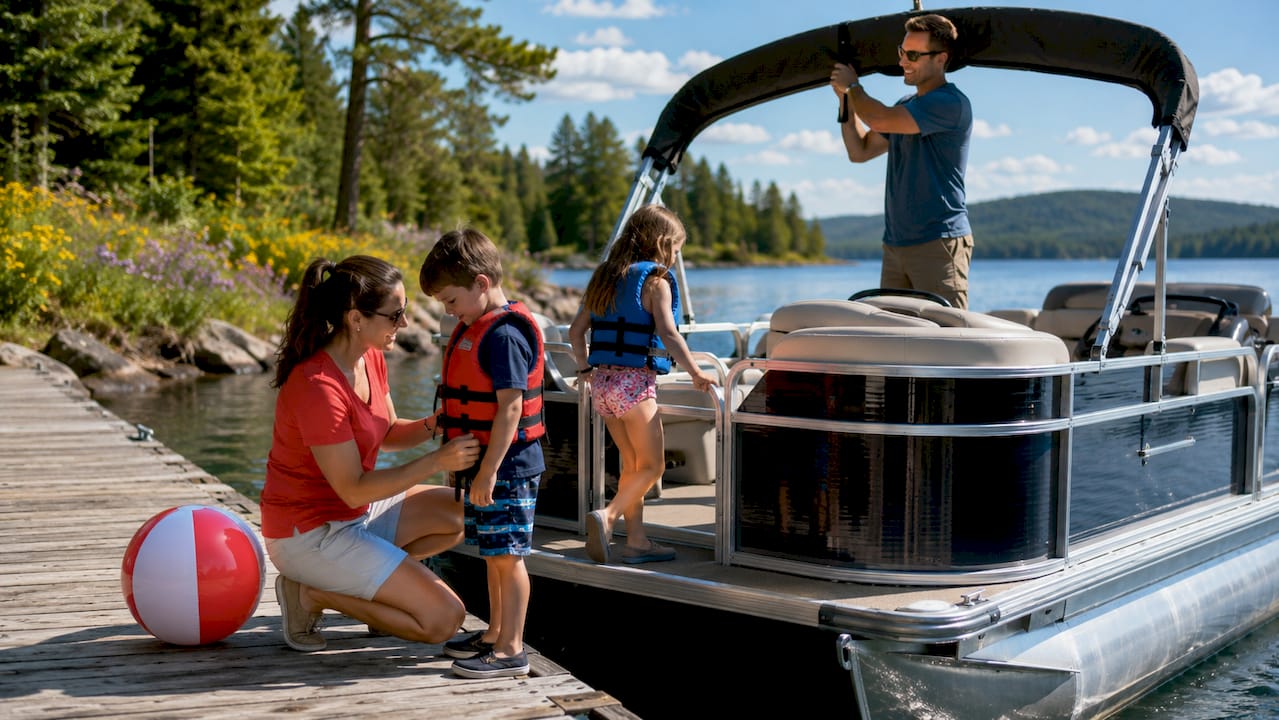
Family boats are vessels designed with safety, seating capacity, and multi-use recreational features to deliver secure, enjoyable outings for every age on board. The right boat handles everything from calm lake fishing to open-water cruising without forcing your family to compromise on comfort or safety. Models like the Tracker Pro Guide V-175 Combo, Moomba Mondo, and Bali 4.2 Catamaran represent the full range of what today’s recreational family market offers. Whether you prioritize affordable family boats under $36,000 or premium cruisers with overnight cabins, the decision starts with understanding what features actually matter.
What features make a boat the best choice for family use?
The best boats for families share four core traits: stable hulls, generous seating, versatile layouts, and safety systems that protect children and adults alike. Every other feature is secondary to these.
Safety structure is the first filter. Deep interior hulls reduce the risk of passengers falling overboard. Solid foredecks, as found on the Bali 4.2 Catamaran, replace trampoline nets and give young children a firm surface to stand on. Layout safety for children under 10 should prioritize non-net foredecks and stable seating over performance features. That single design choice changes the entire experience for parents with toddlers.
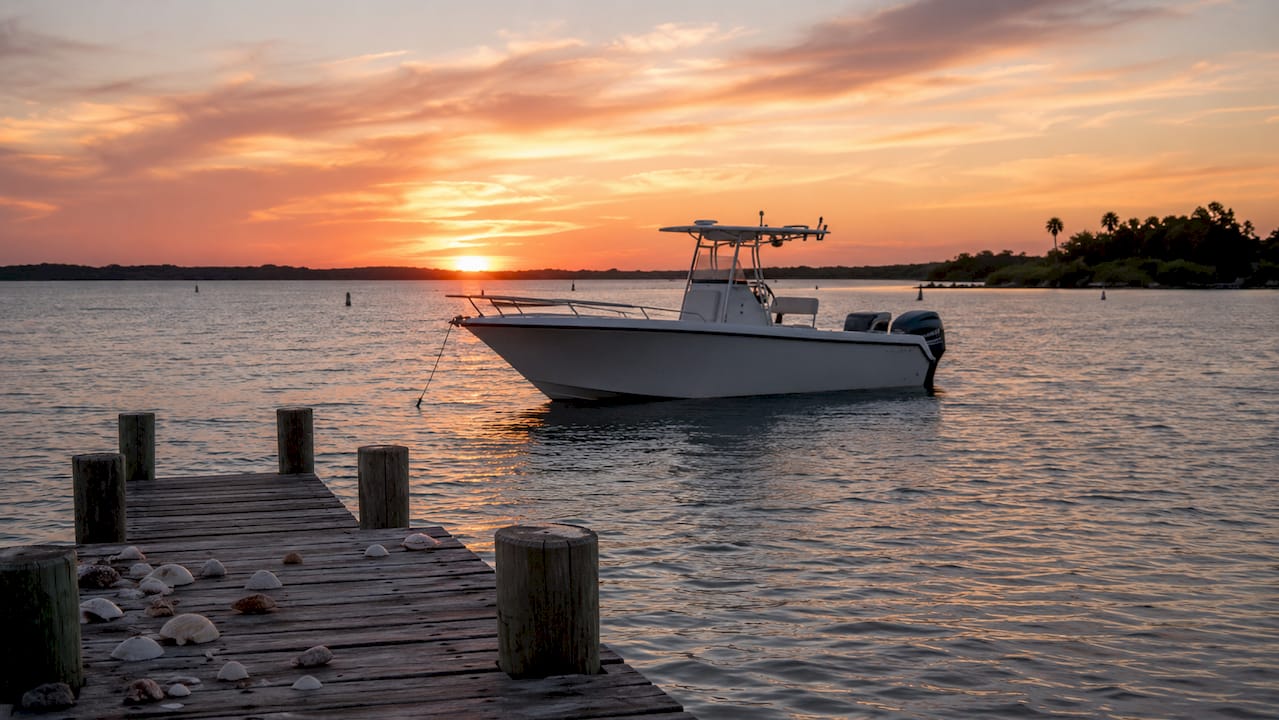
Seating and capacity determine how many people you can bring without crowding. A 22-foot pontoon like the Ranger 223FC seats up to 11 passengers. That capacity matters on family vacations where cousins, grandparents, and friends all want to come along.
Versatility extends the life of your investment. A boat that only fishes gets used less than one that also tows a tube, hosts a sunset cruise, or anchors for a swim. The best family vessels handle at least two or three activity types well.
Key features to evaluate before buying:
- Hull depth and stability: Deep-V aluminum hulls handle chop better than flat-bottom designs
- Convertible seating: Layouts that shift from lounge to fishing mode without tools
- Fuel capacity: Larger tanks reduce mid-trip stops on longer outings
- Towing weight: Lighter aluminum boats tow with a standard pickup truck
- Technology aids: Dynamic stability systems like Seakeeper Ride scoops reduce roll and seasickness in beam winds
Pro Tip: Test any stability tech on the water before buying. Seakeeper Ride scoops on the Finnmaster Pilot 8 make a measurable difference in comfort when charging through side winds, and that comfort directly reduces fatigue for the person at the helm.
1. Tracker Pro Guide V-175 Combo: best affordable fishing boat
The 2026 Tracker Pro Guide V-175 Combo is priced at approximately $35,965 and measures 17 feet 7 inches. It carries 6–7 passengers on an aluminum deep-V hull built for both fishing and casual watersports. That price point makes it one of the most accessible family-friendly fishing boats on the market.
Aluminum construction keeps maintenance costs low and repair work simple. The deep-V hull cuts through chop rather than slamming into it, which matters when you have kids on board. The convertible interior shifts from fishing mode to family cruising mode without major reconfiguration.
Best for: Families who fish regularly but also want a general-purpose day boat.
2. Moomba Mondo: compact watersports cruiser
The 2026 Moomba Mondo fits 12 passengers into a hull under 21 feet. Its ballast system nearly doubles the boat’s dry weight from 3,800 to 4,000 lbs, creating pro-level wakes for wakesurfing and wakeboarding without requiring a larger vessel. Touch controls and an 8-foot 6-inch beam add to the family-friendly experience.
Ballast systems that nearly double a boat’s dry weight enable versatile water activities and better wake customization without a larger footprint. That means your family gets a serious watersports platform without the fuel and storage costs of a 24-foot boat.
Best for: Active families who prioritize watersports activities and want a boat that grows with older kids.
3. Ranger 223FC: hybrid fishing pontoon
The 2026 Ranger 223FC is a 22-foot hybrid that bridges fishing and pontoon comfort. It seats 11 passengers, offers 24 inches of interior depth, and accepts up to 200 HP. That interior depth is a meaningful safety margin for children moving around the deck.
Hybrid fishing pontoons like the Ranger 223FC give families the stability of a pontoon with the fishing functionality of a dedicated angler boat. The result is a vessel that works for a Saturday fishing trip and a Sunday family cruise without any reconfiguration.
Best for: Larger families who want one boat that handles fishing and social outings equally well.
4. Sun Tracker Bass Buggy 16 XL Select: best budget pontoon
The 2026 Sun Tracker Bass Buggy 16 XL Select starts at approximately $24,670. At 16 feet with seating for 7, it is one of the most affordable family pontoon boats available. Standard features include a Bluetooth stereo, a 7-foot Bimini top, and soft woven flooring that is comfortable underfoot for barefoot passengers.
Its light weight makes towing straightforward with a mid-size SUV. Small lakes and protected bays are its natural home. Families who want a low-cost entry point into pontoon boating without sacrificing comfort will find this model hard to beat.
Best for: First-time boat owners and families on a defined budget who boat on calm inland waters.
5. Finnmaster Pilot 8: all-weather family cruiser
The Finnmaster Pilot 8 is a 28-foot cabin boat with a 9-foot 10-inch beam, a 411-liter fuel tank, and a top speed of 45 knots. Seakeeper Ride scoops deliver dynamic balance in rough conditions, making it one of the most capable all-weather family cruisers in its class. An adjustable helm and overnight cabin extend its utility well beyond day trips.
This is the boat for families who want year-round use in varied conditions. The cabin handles overnight stays, and the stability system reduces the physical toll of longer passages. Luxury family boats in this category cost more upfront but deliver significantly more usable days per year.
Best for: Families who cruise coastal or open waters and want a vessel capable of overnight trips in any season.
6. Bali 4.2 Catamaran: safest layout for young children
The Bali 4.2 is a 40-foot-class sailing catamaran with a 7.36-meter beam and a solid GRP foredeck instead of trampoline nets. Parents with toddlers prefer solid foredecks over trampoline nets for enhanced safety, and the Bali 4.2 delivers exactly that. The open-plan social layout gives families room to move without constant supervision anxiety.
This catamaran is designed for families with children under 10 who want to sail without the constant fear of a child slipping through a net. The solid foredeck is not a minor upgrade. It is the single feature that makes extended family sailing trips genuinely relaxing rather than stressful.
Best for: Families planning extended sailing trips or boats for family vacations on open water with young children.
| Model | Category | Capacity | Starting Price | Best Use |
|---|---|---|---|---|
| Tracker Pro Guide V-175 Combo | Fishing | 6–7 | ~$35,965 | Fishing and day cruising |
| Moomba Mondo | Watersports | 12 | Not publicly listed | Wakesurfing and watersports |
| Ranger 223FC | Hybrid Pontoon | 11 | Not publicly listed | Fishing and family outings |
| Sun Tracker Bass Buggy 16 XL | Budget Pontoon | 7 | ~$24,670 | Calm water cruising |
| Finnmaster Pilot 8 | Cruiser | Not publicly listed | Not publicly listed | All-weather cruising |
| Bali 4.2 Catamaran | Sailing Cat | Not publicly listed | Not publicly listed | Family sailing trips |
How to match your family’s needs to the right boat type
Defining your family’s sailing program and crew size is the single most important step before buying. A boat that fits your goals at purchase will still fit them five years later. One that does not will sit unused.
Follow this decision framework:
- Define your primary activity. Fishing, watersports, cruising, and social outings each favor a different hull type. Pontoons prioritize comfort, wakeboats excel at thrill, and deep-V hulls provide offshore versatility. Pick the activity your family will do 70% of the time and buy for that.
- Count your crew. A family of four needs a different boat than a family of eight that regularly brings guests. Capacity ratings are legal maximums, not comfort targets. Plan for 80% of rated capacity as your real-world number.
- Consider your children’s ages. Families with children under 10 should prioritize stable platforms with solid foredecks and low freeboard. Teenagers who wakeboard need a ballast-equipped wakeboat, not a pontoon.
- Map your waterways. A 16-foot pontoon is ideal for a protected lake. A 28-foot cabin cruiser is necessary for coastal passages. Matching boat size to water type prevents both underpowering and overspending.
- Plan for customization. Customization options in flagship family cruisers greatly extend usability, such as choosing layouts that prioritize cabins or bathrooms for longer trips. Buy a boat with layout flexibility if your needs will evolve.
Pro Tip: Rent the boat type you think you want before buying. One weekend on a pontoon versus a wakeboat will answer questions that no spec sheet can.
Budget options and overlooked family boats worth considering
Affordable family boats do not require sacrificing safety or reliability. The Sun Tracker and Tracker series both deliver proven performance at prices well under $36,000, making them the strongest entry points for first-time buyers.
Key considerations for budget buyers:
- Aluminum vs. fiberglass: Aluminum boats like the Tracker series are lighter, easier to repair, and more resistant to corrosion in freshwater. Fiberglass offers a smoother ride and better resale value in saltwater markets.
- Towing compatibility: A 16-foot aluminum pontoon like the Sun Tracker Bass Buggy tows behind a standard SUV. Larger fiberglass boats often require a dedicated tow vehicle, adding to total ownership cost.
- Storage costs: Smaller boats fit in a standard garage. Boats over 22 feet typically require marina storage or a dedicated trailer pad.
- Essential safety gear: Every boat, regardless of price, requires proper safety equipment including life jackets, flares, and a fire extinguisher. Budget for these items separately from the purchase price.
Pro Tip: Buy the smallest boat that meets your needs, not the largest you can afford. Smaller boats cost less to fuel, insure, store, and maintain. You will use them more often because the barrier to launching is lower.
Key takeaways
The best family boat matches your primary activity, crew size, and waterway type before any other feature matters.
| Point | Details |
|---|---|
| Safety features first | Prioritize deep hulls, solid foredecks, and stability systems before performance specs. |
| Budget entry point | The Sun Tracker Bass Buggy 16 XL Select starts at ~$24,670 and seats 7 on calm waters. |
| Versatility extends value | Boats that handle fishing, cruising, and watersports get used more and hold value longer. |
| Match boat to waterway | Pontoons suit lakes; cabin cruisers suit coastal passages; catamarans suit open-water family sailing. |
| Certification is non-negotiable | Every adult operating a family vessel should hold a valid state boating safety certificate. |
What I have learned after years of watching families buy the wrong boat
Most families buy too much boat on their first purchase. They see a 24-foot cruiser with a cabin and imagine weekend trips, but they end up using it four times a year because launching, fueling, and storing it is too much work. The families I see on the water every weekend own 17-foot aluminum boats or 16-foot pontoons. They launch in 20 minutes and go home when they feel like it.
The second mistake is ignoring stability technology. Dynamic stability systems like Seakeeper Ride scoops are not luxury features. They are the difference between a parent who is relaxed at the helm and one who is white-knuckling through a 15-knot crosswind with three kids on board. If your budget allows it, buy the boat with the stability system.
The third mistake is skipping safety certification. I have seen experienced boaters make dangerous decisions simply because nobody ever taught them the rules. Boating safety education is not just a legal requirement in most states. It is the fastest way to become a genuinely confident operator. Buy the boat and take the course. Do both before your first family outing.
The Bali 4.2 changed my thinking on catamarans for families with young children. The solid foredeck is not a marketing point. It is a real safety feature that lets parents stop hovering and start enjoying the trip. If you sail with kids under 10, that design choice matters more than any speed or performance specification.
— Richard
Get certified before your first family outing
Buying a boat is only half the equation. Every adult who operates a family vessel needs a valid boating safety certificate before leaving the dock.
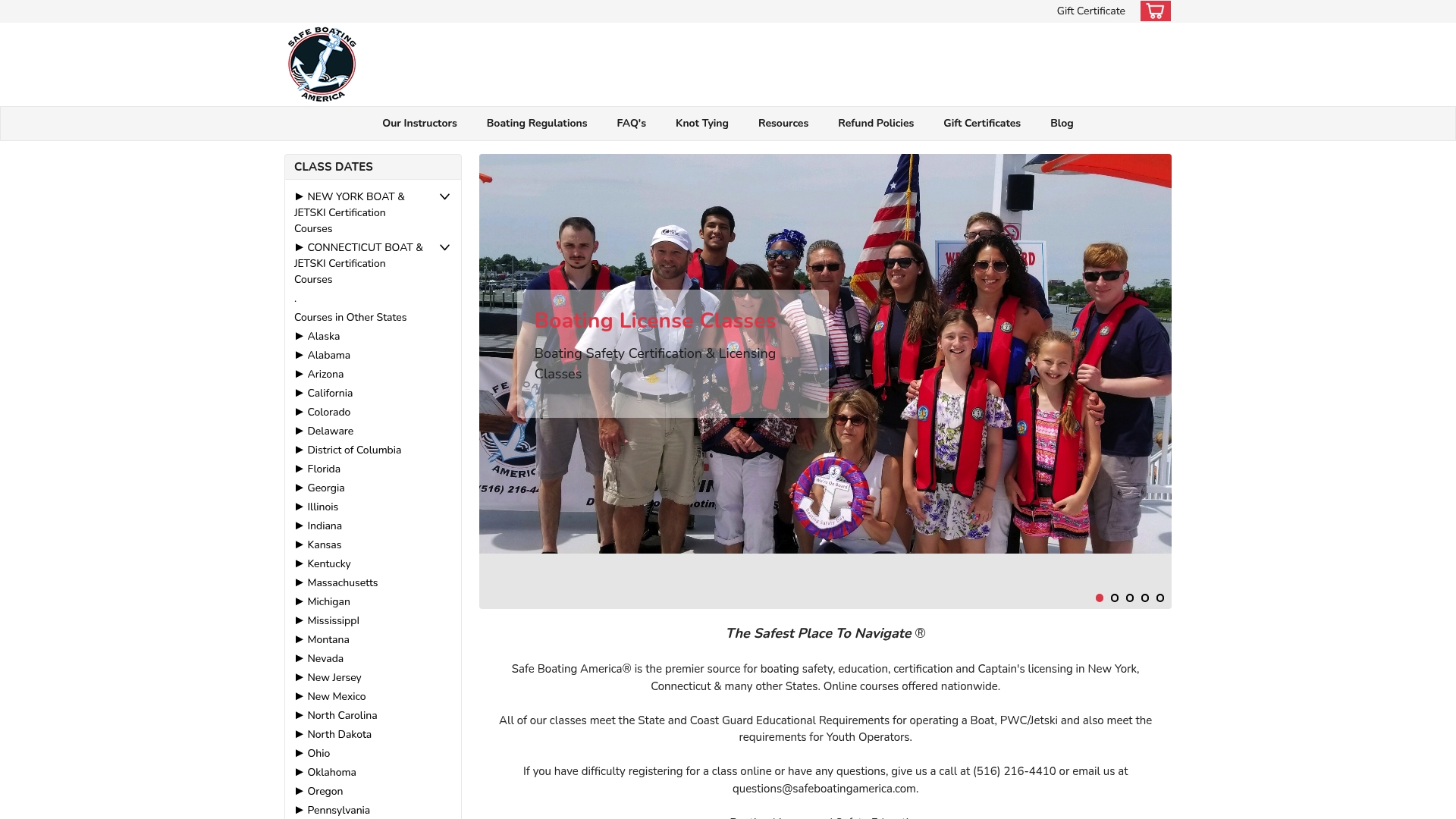
Safeboatingamerica offers state-approved boating safety courses online, via live Zoom, and in person across every U.S. state. Courses cover navigation rules, emergency procedures, required safety equipment, and state-specific boating laws. NASBLA-approved materials and USCG-Licensed Captains teach every session. Same-day certification options are available for families who need to get on the water quickly. If you are buying your first boat or upgrading to a larger vessel, completing a boating license course before your first outing is the single most responsible step you can take for your family.
FAQ
What is the best family boat for beginners?
The Sun Tracker Bass Buggy 16 XL Select is the strongest entry-level option, starting at approximately $24,670 with seating for 7 and easy towing compatibility. Its stable pontoon platform and simple controls make it accessible for first-time operators.
How many passengers can a family pontoon boat hold?
Family pontoon boats typically hold between 7 and 11 passengers. The Ranger 223FC seats up to 11, while the Sun Tracker Bass Buggy 16 XL Select seats 7.
Are catamarans safe for families with young children?
Catamarans with solid foredecks, like the Bali 4.2, are among the safest options for children under 10. Solid GRP foredecks eliminate the fall risk associated with traditional trampoline nets.
Do I need a boating license to operate a family boat?
Most U.S. states require a boating safety certificate to legally operate a motorized vessel. Requirements vary by state and operator age. Safeboatingamerica provides state-specific certification courses that satisfy legal requirements nationwide.
What is the most versatile family boat for mixed activities?
The Tracker Pro Guide V-175 Combo handles fishing, casual cruising, and light watersports from a single 17-foot 7-inch aluminum hull, making it the most versatile option at its price point of approximately $35,965.
Recommended
- Boat Types Explained: How to Choose the Right One - Safe Boating America
- Top 7 Boating Class & Boat License Tips for Safe, Fun Adventures on the Water - Safe Boating America
- How to Perform a Boat Safety Inspection Step by Step - Safe Boating America
- Boater Sports: Activities, Safety, and Certification - Safe Boating America