What Should You Do to Avoid Colliding With Another Boat
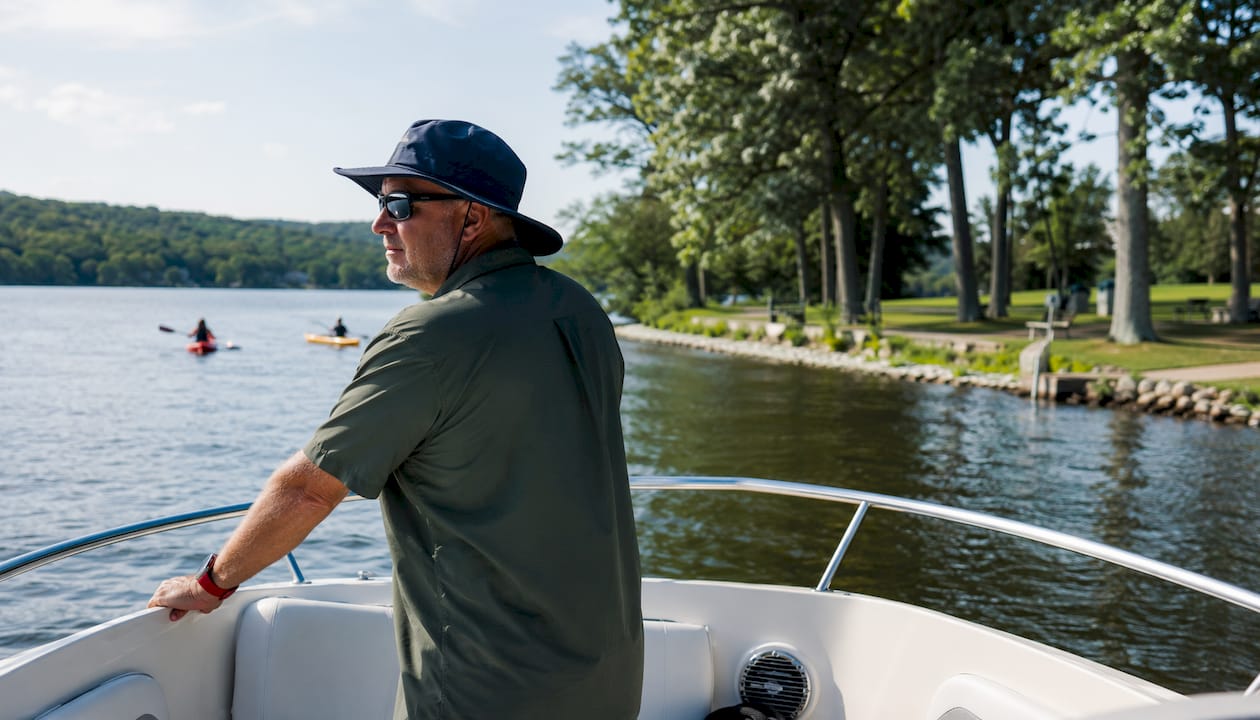
Avoiding a collision with another boat requires constant vigilance, strict adherence to maritime navigation rules, and the willingness to act before a situation becomes critical. The formal framework governing these interactions is the International Regulations for Preventing Collisions at Sea, known as COLREGs, which applies to all vessels on navigable waters. Alcohol use accounts for 20% of recreational boating deaths, and the majority of drowning victims were not wearing life jackets. Those two facts alone show that most collisions and fatalities are preventable. Knowing the rules is the starting point. Acting on them consistently is what keeps you and everyone around you safe.
What should you do to avoid colliding with another boat?
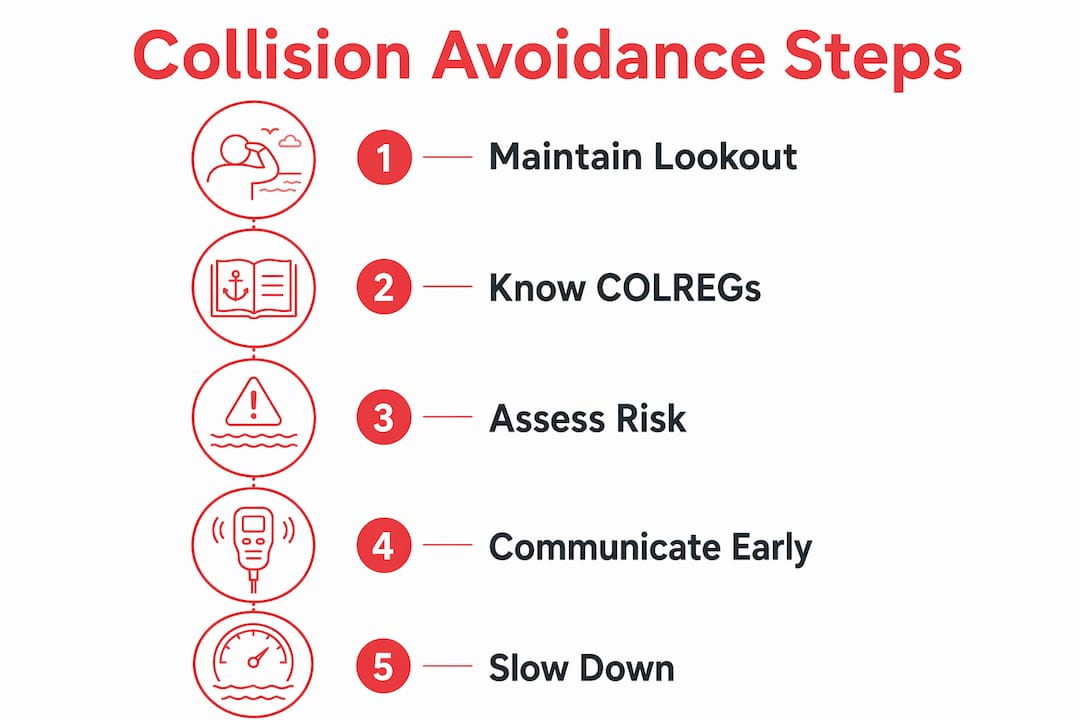
The single most effective answer is to know and apply COLREGs before you ever face a close-quarters situation. These rules define who must give way, how fast you may travel, and what signals you must use. Boaters who learn them formally make faster, more accurate decisions on the water.
Right of way in crossing, overtaking, and head-on situations
COLREGs assign clear roles to vessels based on their relative positions. In a crossing situation, the vessel with the other on its starboard side must give way and should pass astern rather than cutting across the bow. That rule exists because passing astern removes ambiguity for both operators. In a head-on encounter, both vessels must turn to starboard. In an overtaking situation, the vessel coming from behind must keep clear of the vessel being passed.
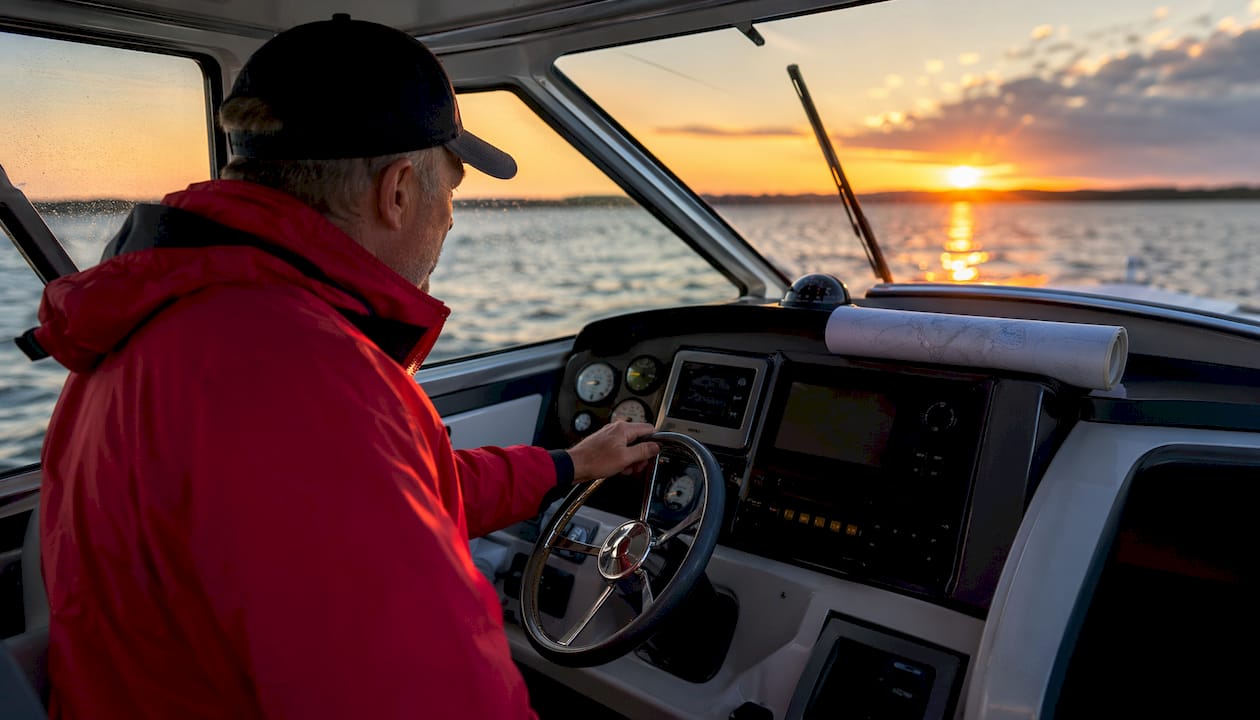
Two legal roles apply in every encounter: the give-way vessel and the stand-on vessel. The give-way vessel must take early, obvious action to avoid the other boat. The stand-on vessel must hold its course and speed so the give-way vessel can predict its path. However, stand-on vessels must act if the give-way vessel fails to maneuver in time. Right of way is not a shield. It is a coordination tool.
Safe speed and the legal duty to slow down
Safe speed is not a fixed number. COLREGs define it as the speed at which you can take proper and effective action to avoid a collision and stop within an appropriate distance. Fog, heavy traffic, restricted visibility, and shallow water all require you to reduce speed. Traveling at full throttle in a crowded anchorage violates this rule even if no collision occurs.
Pro Tip: Reduce speed before you feel you need to. The time it takes to recognize a hazard, decide to act, and execute a maneuver is longer than most operators expect.
Lookout requirements under COLREGs
Every vessel must maintain a proper lookout at all times using sight, hearing, and all available means. That means you cannot delegate awareness to a GPS chart plotter alone. You must actively scan the water, listen for fog signals, and use radar or AIS if your vessel carries them. Assigning a dedicated crew member as lookout in busy or restricted waters is a recognized best practice, not just a suggestion.
How do you assess risk of collision early?
Risk of collision exists when the compass bearing of an approaching vessel stays constant while the distance between you decreases. A steady bearing with closing distance is the definitive signal that you are on a collision course. This is the most reliable method available, and it works without any electronics.
Practical steps for bearing assessment
- Pick a fixed reference point on your vessel, such as a stanchion or cleat.
- Watch the approaching vessel against that reference point for 30–60 seconds.
- If the vessel does not move forward or aft relative to your reference, the bearing is constant.
- If the distance is also closing, treat it as a collision risk and act immediately.
- Take action early enough that your maneuver is large and obvious to the other operator.
Every maneuver to avoid collision should be significant enough to be immediately apparent to the other vessel. Small, hesitant course changes create confusion and can make the situation worse. Turn decisively. Slow down clearly. Do not make the other operator guess your intention.
Night boating adds a serious layer of difficulty. Shore lights distort distance perception, and operators who are new to night navigation regularly misjudge the position and speed of other vessels. Build night experience gradually, in familiar waters, with a more experienced operator aboard.
What maneuvers and signals help you avoid collisions on the water?
Maneuvering to avoid another vessel is not optional once a risk of collision is confirmed. COLREGs require action, and that action must be taken in time to be effective. The following practices apply across the most common encounter types.
- Head-on: Turn to starboard. Both vessels do this simultaneously, passing port side to port side.
- Crossing: The give-way vessel turns to pass astern of the stand-on vessel. Do not accelerate to cross ahead.
- Overtaking: The overtaking vessel keeps clear. The vessel being passed holds course and speed.
- Imminent collision: Slow down, stop, or reverse propulsion if necessary. Do not force right of way.
- Sound signals: One short blast means you are turning to starboard. Two short blasts mean you are turning to port. Five or more short blasts signal danger or doubt about the other vessel’s intentions.
Never assume the other operator knows the rules or is paying attention. Defensive boating means you stay ready to act regardless of who technically has the right of way. You can be legally correct and still be in a collision if you wait too long.
Pro Tip: Navigation lights are your primary communication tool after dark. Review 2026 lighting requirements before any night trip to confirm your vessel displays the correct configuration.
Use your VHF radio on Channel 16 to communicate with commercial traffic or vessels that appear unaware of your position. A brief radio call can resolve ambiguity faster than any maneuver.
What safety practices reduce collision risk before you leave the dock?
Many collisions result from decisions made hours before departure, not from split-second failures on the water. Pre-departure preparation is the most underused collision avoidance tool available.
| Preparation step | Why it matters |
|---|---|
| File a float plan | Tells authorities your route and expected return if something goes wrong |
| Test navigation lights | Confirms other vessels can see you at night and in low visibility |
| Check VHF radio function | Allows communication with other vessels and the Coast Guard |
| Inspect engine cut-off switch | Required by law since 2021; stops the engine if you fall overboard |
| Confirm life jacket availability | 87% of drowning victims were not wearing life jackets at the time of the incident |
Sober operation is non-negotiable. Alcohol impairs judgment, slows reaction time, and reduces the ability to track multiple vessels simultaneously. These are exactly the skills collision avoidance demands. Fatigue produces similar effects and is equally dangerous on a long day on the water.
Formal boating education is the most reliable way to build all of these habits at once. Safeboatingamerica teaches navigation rules and emergency procedures through NASBLA-approved courses delivered by USCG-licensed captains. Operators who complete a certified course demonstrate measurably better awareness of COLREGs and right-of-way responsibilities.
Pro Tip: Study local charts before departure. Knowing where channels narrow, where ferry routes cross, and where commercial traffic concentrates lets you anticipate encounters before they develop.
Key takeaways
Avoiding boat collisions requires applying COLREGs actively, maintaining a constant lookout, and taking early, obvious evasive action the moment a risk is confirmed.
| Point | Details |
|---|---|
| Apply COLREGs rules | Know crossing, head-on, and overtaking rules before you encounter them on the water. |
| Use bearing assessment | A constant bearing with closing distance confirms a collision course; act immediately. |
| Maneuver decisively | Small, hesitant changes confuse other operators; make your maneuver large and obvious. |
| Prepare before departure | File a float plan, test lights, check your radio, and never operate under the influence. |
| Stay defensive | Never rely on right of way alone; be ready to act even when the other vessel should yield. |
What I’ve learned about collision avoidance that most guides skip
Most boating safety content treats COLREGs as a checklist. Memorize the rules, pass the test, go boating. That framing misses the most important skill: anticipation.
The operators I have seen handle close-quarters situations well share one habit. They read the water 10 minutes ahead, not 10 seconds ahead. They notice a vessel’s heading and speed while it is still far away. They adjust course early, when a small change solves the problem cleanly. By the time a situation looks urgent to a less experienced operator, they have already resolved it.
The “stand-on vessel” concept is where I see the most dangerous overconfidence. Stand-on vessels are legally required to maneuver if a collision becomes imminent and the give-way vessel fails to act. Knowing you have the right of way is useful for coordination. Treating it as protection is a serious mistake. The water does not care who was correct.
Commercial traffic deserves special respect. A cargo ship or ferry cannot stop or maneuver quickly. Crossing ahead of one with a narrow margin is not bold seamanship. It is a failure to understand physics. Give commercial vessels wide clearance and use your VHF radio if their intentions are unclear.
Ongoing education changes how you see the water. Operators who take formal courses through programs like those offered by Safeboatingamerica report that they notice hazards earlier and feel more confident making decisions under pressure. That confidence is earned, not assumed.
— Richard
Boating safety education from Safeboatingamerica
Collision avoidance is a skill set, not just a set of rules to memorize. Safeboatingamerica offers state-approved boating safety certification courses taught by USCG-licensed captains and NASBLA-approved instructors across every U.S. state. Courses cover COLREGs, right-of-way rules, navigation lights, sound signals, emergency procedures, and pre-departure planning.
Whether you need a New York boating license under Brianna’s Law, a Connecticut Safe Boating Certificate, or a state-approved course for California, Florida, or Texas, Safeboatingamerica provides online, live Zoom, and in-person options. Same-day certification is available. Operators who complete a certified course are better prepared to make fast, correct decisions on the water.
FAQ
What is the first thing to do when a collision risk is detected?
Take early, decisive action. Turn to starboard, reduce speed, or stop propulsion, and make your maneuver large enough that the other vessel can clearly see your intention.
Who is responsible for avoiding a collision between two boats?
Both operators share responsibility. The give-way vessel must maneuver first, but the stand-on vessel must also act if the give-way vessel fails to respond in time.
What does a constant bearing mean in boating?
A constant bearing means the approaching vessel holds the same compass angle relative to your boat while the distance closes. This is the standard indicator of a collision course under COLREGs.
How does alcohol affect collision risk on the water?
Alcohol is linked to 20% of recreational boating deaths. It slows reaction time, impairs judgment, and reduces the ability to track multiple vessels, all of which are critical for collision avoidance.
Do navigation lights help prevent collisions at night?
Yes. Properly displayed navigation lights tell other operators your vessel type, direction of travel, and position. Checking that all lights function correctly before a night trip is a required pre-departure step.