How to Work on Boats: Top 10 Careers Explained
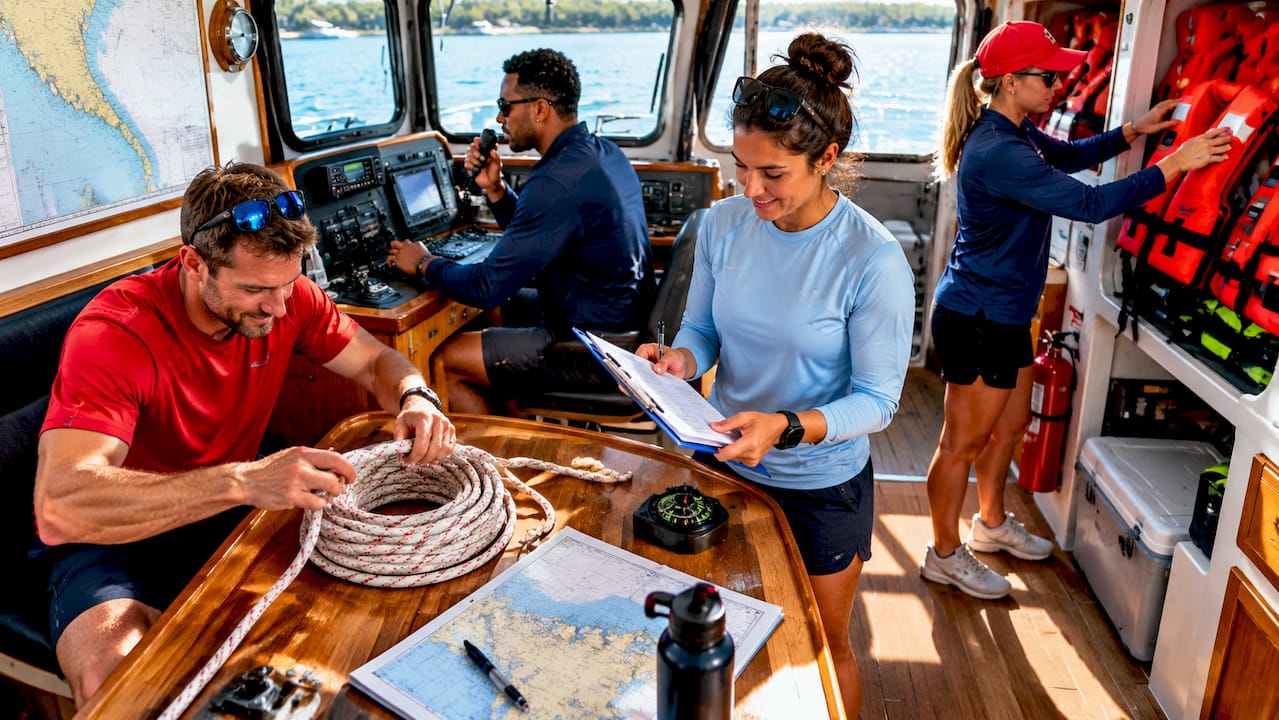
Working on boats is defined as any professional role performed aboard or in direct service of a watercraft, spanning careers from entry-level deckhands and boat service technicians to licensed captains, marine mechanics, and shipbuilders. The maritime industry supports a wide range of boat industry jobs across commercial fishing, luxury yachting, research vessels, and shipyards. Whether you are a beginner seeking your first certification or an experienced boater ready to turn your skills into a career, the nautical trades offer structured paths with real earning potential and genuine variety. Safe Boating America recognizes that understanding these roles is the first step toward choosing the right training and certification for your goals.
1. Deckhand
A deckhand is the entry point for most people who want to work on boats professionally. Core duties include line handling, deck cleaning, basic vessel maintenance, and assisting senior crew with operations. No prior maritime experience is required for most deckhand positions, making this the most accessible role in the industry. Starting here gives you direct exposure to vessel operations, safety protocols, and the daily rhythms of life aboard a working boat.

2. Marine mechanic and diesel technician
Marine mechanics, also called boat service technicians, diagnose and repair engines, fuel systems, and electrical components aboard vessels of all sizes. Entry-level specialists in luxury yacht maintenance earn $30 to $40 per hour, often with manufacturer training included. That wage reflects the technical precision the role demands: marine systems operate in corrosive saltwater environments where failures carry serious safety consequences. Manufacturer programs such as Volvo Penta training are the recognized credential for advancing in this specialty.
Pro Tip: Complete at least one manufacturer-specific engine certification before applying to luxury yacht yards. Employers in that segment screen for it before reviewing general experience.
3. Yacht captain
A yacht captain holds full legal responsibility for vessel navigation, crew safety, and passenger welfare. Boat captain credentials include a USCG Master’s License for U.S. waters, with STCW-95 certification required for international voyages. Captains on larger yachts also manage crew schedules, provisioning budgets, and guest relations. This role rewards experienced boaters who combine strong seamanship with leadership and communication skills.
4. Boat builder and composite carpenter
Boat builders construct hulls, decks, and interior structures using fiberglass, carbon fiber, and traditional wood. Luxury yacht carpenters work to tolerances as precise as 0.5mm and read complex engineering plans daily. That level of precision separates production boatyard work from high-end custom builds, where craftsmanship directly affects resale value. Automotive and woodworking backgrounds transfer well here: composite material skills and blueprint reading are what employers at firms like Candela actively seek.
5. Marine electronics technician
Marine electronics technicians install, calibrate, and repair navigation systems, radar, VHF radios, chartplotters, and autopilot units. The role sits at the intersection of electrical engineering and seamanship, requiring both bench skills and the ability to work in tight bilge spaces aboard live vessels. Firms like Mackay Communications hire technicians who understand essential boating electronics across multiple manufacturers. Demand for this specialty grows as vessels add more integrated digital systems.
6. Shipyard laborer and travel lift operator
Shipyard roles cover vessel haulout, pressure washing, antifouling paint application, and equipment operation. Travel lift operators can walk up to 20km per day and must communicate precisely with ground crews to move vessels worth hundreds of thousands of dollars without incident. That physical and communicative demand is higher than most people expect from a yard position. Organizations like The Boatworks in Australia document this clearly in their hiring criteria, and U.S. yards apply the same standards.
7. Commercial fisherman and fishing vessel crew
Working on fishing vessels means operating gear, processing catch, maintaining deck equipment, and standing watch in open-water conditions. Schedules are demanding: multi-day trips with irregular sleep patterns are standard on offshore fishing boats. The physical requirements are significant, but so is the earning potential during peak seasons. USCG documentation and a valid boating safety certificate are baseline requirements for crew on documented commercial vessels.
8. Research vessel technician
Research vessel technicians support scientific missions by maintaining propulsion systems, deck machinery, and specialized scientific equipment. Research and commercial vessels commonly operate on rotation schedules such as four weeks on and four weeks off, with company-paid flights and medical insurance included. That work-life structure attracts technically skilled candidates who want predictable time off without sacrificing career advancement. Organizations like Schmidt Ocean Institute hire technicians with both marine engineering credentials and hands-on scientific equipment experience.
9. Cruise ship and passenger vessel crew
Passenger vessel roles include chefs, medical officers, hotel staff, and maintenance technicians serving thousands of guests aboard large ships. These positions require STCW-95 certification as a baseline, with additional training in fire safety, crowd management, and crisis response. The career path within cruise lines is structured: a maintenance technician can advance to chief engineer over a decade of documented service. Compensation typically includes accommodation, meals, and travel, which offsets the extended time away from home.
10. Boat detailer and cleaning specialist
Boat detailers maintain the cosmetic condition of hulls, topsides, interiors, and stainless fittings. This role is often the first paid position for people entering the marine industry without technical credentials. Detailers who learn waxing compounds, teak restoration, and vinyl care quickly become valuable to yacht management companies that oversee large fleets. The role also provides direct access to boat owners and captains who hire for higher-skilled positions when they see reliable, quality work.
What certifications and training are essential for boat careers?
Certifications define the ceiling of your career in the maritime industry. Without them, advancement from entry-level roles to specialized or command positions is blocked regardless of experience. The most critical credentials include:
- STCW-95 (Standards of Training, Certification and Watchkeeping): Required for any crew member working on vessels over 24 meters or on international routes. Covers personal survival, fire prevention, first aid, and personal safety.
- USCG Master’s License: Required to operate a vessel for hire in U.S. waters. Issued at Operator of Uninspected Passenger Vessel (OUPV/6-pack) and Master levels depending on vessel tonnage.
- Boating safety certificate: State-required for recreational operation in most U.S. states. Safe Boating America offers NASBLA-approved courses that satisfy boating safety education requirements nationwide.
- Manufacturer-specific training: Volvo Penta, Mercury Marine, and Yamaha all offer technician certification programs that directly increase hiring eligibility and pay rates.
- HELM digital documentation: Marine maintenance technicians use systems like HELM to log service records, a skill now listed as a requirement in many job postings.
Recognized maritime qualifications are the clearest path from entry-level roles to specialized, well-paid marine careers. Each credential you add expands the range of vessels and employers available to you.
Pro Tip: Stack your certifications in order of cost and time. Start with a state boating safety certificate, then pursue OUPV, then STCW-95. Each builds on the last and opens a new tier of employment.
How working conditions and career progression vary across boat jobs
The maritime industry does not offer a single work environment. Conditions vary sharply by role and sector.
| Role | Environment | Schedule | Salary Range |
|---|---|---|---|
| Deckhand | Vessel deck, dockside | Variable, often seasonal | $30,000–$45,000/year |
| Marine mechanic | Boatyard, vessel engine room | Standard shifts, some on-call | $60,000–$85,000/year |
| Yacht captain | Offshore, coastal, international | Trip-based or seasonal | $80,000–$150,000+/year |
| Research vessel technician | Offshore, rotation-based | 4 weeks on / 4 weeks off | $55,000–$75,000/year |
| Shipyard laborer | Dockside, yard facilities | Day shifts, physically demanding | $35,000–$55,000/year |
Senior marine roles require three to seven years of documented experience plus advanced troubleshooting credentials. That timeline is consistent across U.S. boatyards and international yacht management firms. Career progression in this industry is credential-gated: the combination of logged sea time, certifications, and verifiable repair history determines promotion eligibility more than seniority alone.
Customer-facing communication and project management are critical for advancement beyond technical roles. A marine mechanic who can brief a yacht owner clearly on repair scope and timeline is worth more to an employer than one who cannot. Soft skills accelerate promotion in every sector of the industry.
What skills make someone successful in boat maintenance and operation careers?
Success in boat-related careers depends on a combination of technical ability, physical readiness, and professional conduct. The skills that consistently separate advancing professionals from those who stagnate include:
- Mechanical troubleshooting: Diagnosing engine faults, fuel system problems, and electrical failures without manufacturer support on-site.
- Electrical wiring proficiency: Understanding marine wiring standards and ABYC codes, which differ significantly from automotive or residential wiring.
- Precision carpentry: Cutting composite and wood materials to tight tolerances, particularly in yacht interior work.
- Safety compliance: Knowing USCG regulations, Coast Guard boat requirements, and vessel inspection protocols.
- Adaptability: Working in confined spaces, in variable weather, and with tools that must be secured against vessel motion.
- Continuous learning: Specializing in marine electronics, composite materials, or navigation technology keeps your skills current as vessel technology advances.
Transitioning from recreational boating to professional marine work requires a mindset shift. The focus moves from personal enjoyment to customer accountability and safety management system compliance. Professionals at institutions like MBARI note that communication and safety adherence matter as much as technical skill in determining who advances.
Key takeaways
Working on boats professionally requires matching your skill set and certifications to the specific demands of your chosen role, from deckhand to marine technician to captain.
| Point | Details |
|---|---|
| Certifications gate advancement | STCW-95, USCG licensing, and manufacturer training determine which roles and pay grades you can access. |
| Entry points are accessible | Deckhand and detailer roles require no prior credentials, making them practical starting points. |
| Salaries vary widely by role | Marine mechanics earn $60,000–$85,000/year; yacht captains can exceed $150,000 with experience. |
| Soft skills accelerate promotion | Communication, documentation, and customer service separate advancing professionals from technical-only workers. |
| Rotation schedules offer balance | Research and commercial vessel roles offer structured on/off rotations with full benefits packages. |
What I’ve learned after years of watching people enter maritime careers
The biggest mistake I see beginners make is treating certification as a formality rather than a career asset. People rush through a boating safety course to check a legal box, then wonder why they are not advancing past entry-level positions two years later. The professionals who move fastest treat every credential as a deliberate investment in a specific career direction.
I have also watched experienced recreational boaters underestimate how different professional maritime work is from weekend sailing or fishing. The shift from personal enjoyment to client accountability changes everything: your maintenance decisions affect someone else’s safety and property, and that responsibility requires a different level of documentation and communication discipline.
The most rewarding careers I have seen in this industry belong to people who found a niche and went deep. A technician who specializes in yacht maintenance standards for high-value vessels earns significantly more and works with better equipment than a generalist. A captain who builds a reputation for precise navigation and calm crisis management commands loyalty from owners that translates directly into long-term contracts.
My advice: pick the role that matches your genuine interests, stack the certifications that role requires, and document every hour of relevant experience. The maritime industry rewards specificity and consistency more than ambition alone.
— Richard
Start your boat career with Safe Boating America certification
Safe Boating America is the practical first step for anyone serious about working on boats in the United States. The organization offers NASBLA-approved boating safety courses that satisfy state certification requirements across all 50 states, delivered online, via live Zoom, or in person.
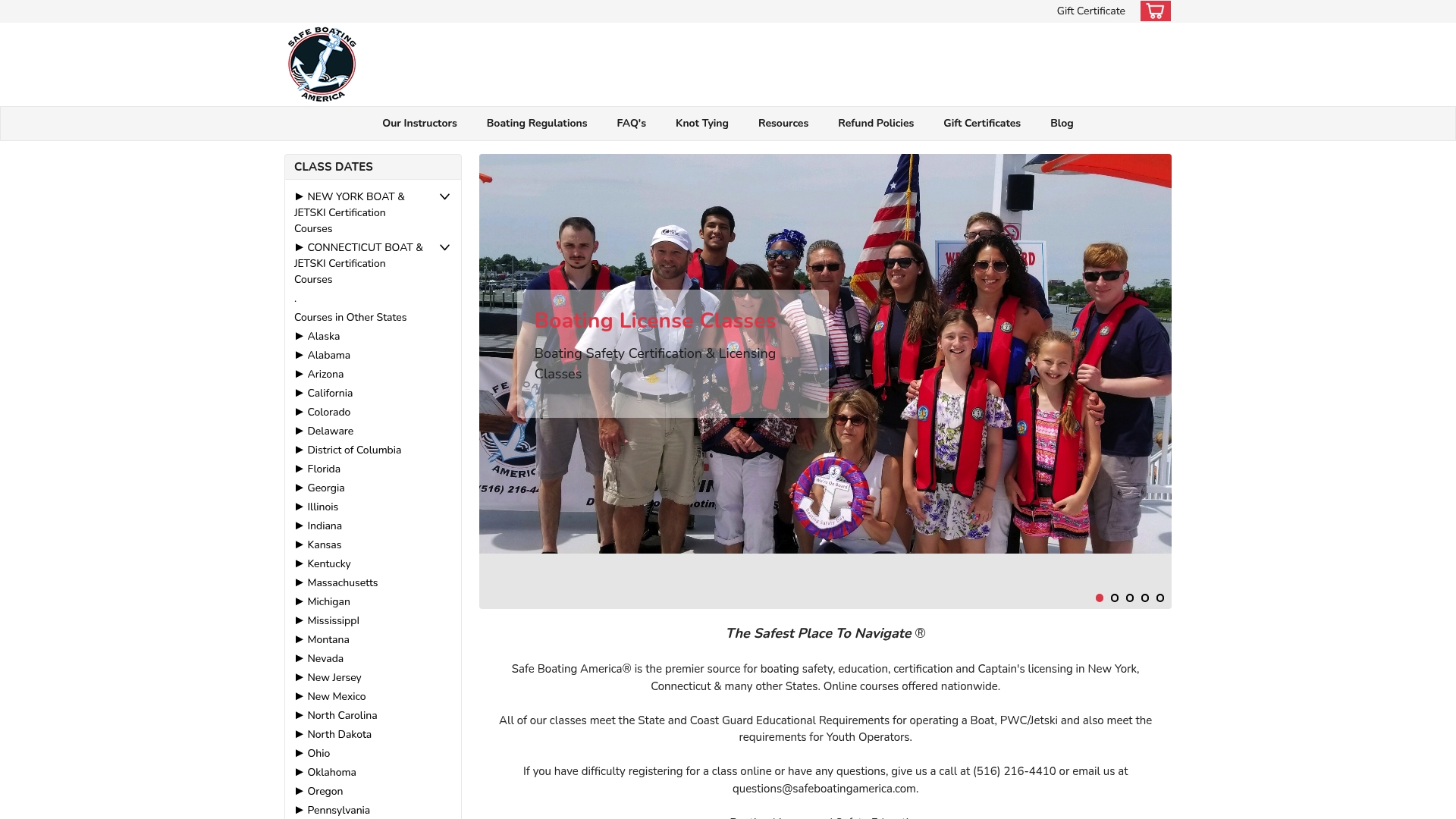
Completing a boating safety certification through Safe Boating America gives you a recognized credential that satisfies USCG compliance standards and demonstrates baseline competency to employers. Courses cover navigation rules, emergency procedures, vessel inspection, and legal requirements. For New York residents, courses are Brianna’s Law compliant. Same-day certification options mean you can meet legal requirements and start building your professional record without delay.
FAQ
What does it mean to work on boats professionally?
Working on boats professionally means holding a paid role that involves operating, maintaining, or servicing a watercraft. Roles range from deckhand and boat detailer to licensed captain and marine electronics technician.
Do I need a license to work on boats in the U.S.?
Requirements depend on the role. Captains operating vessels for hire need a USCG Master’s License. Crew on commercial vessels need STCW-95 certification. Most states also require a boating safety certificate for anyone operating a motorized vessel.
How much do marine technician careers pay?
Entry-level marine mechanics earn $30 to $40 per hour in the luxury yacht segment, with senior roles at established yards reaching $85,000 per year or more depending on certifications and specialization.
What is the fastest way to enter the boat industry?
Starting as a deckhand or boat detailer requires no prior credentials and provides direct access to vessel owners and senior crew who hire for skilled positions. Pairing that entry-level role with a boating safety certificate accelerates your path to higher-paying positions.
Is STCW-95 required for all boat jobs?
STCW-95 is required for crew working on vessels over 24 meters or operating internationally. Smaller domestic vessels and recreational charter work may only require a USCG OUPV license and a state boating safety certificate.
Recommended
- Boat Captains: Certifications, Skills, and Duties - Safe Boating America
- Boat Types Explained: How to Choose the Right One - Safe Boating America
- Top 7 Boating Class & Boat License Tips for Safe, Fun Adventures on the Water - Safe Boating America
- How to Perform a Boat Safety Inspection Step by Step - Safe Boating America