
Boater Exam Practice Test: Pass Your Certification
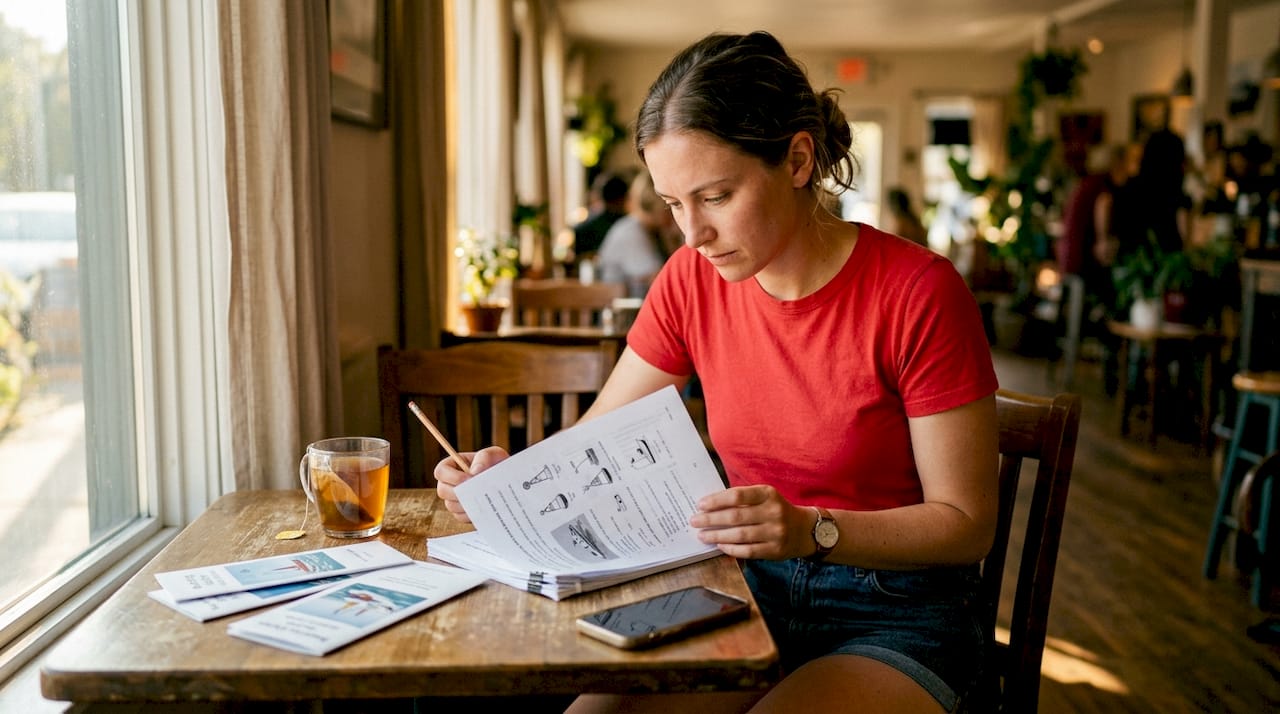
A boater exam practice test is a simulated quiz designed to mirror the official boating safety exam, helping you measure your knowledge and improve your odds of passing certification on the first attempt. Most state boating agencies and NASBLA-approved programs build their official exams around navigation rules, emergency procedures, and situational judgment, not simple trivia recall. That distinction matters more than most first-time test takers realize. Scoring well on practice tests before exam day is one of the strongest predictors of first-attempt success, and 44 states require some form of boater safety education before you can legally operate a vessel.
What do you need before taking a boater exam practice test?
Preparation starts before you open a single practice question. Most states set a minimum age requirement, typically 12–16 years old depending on the state, and some require proof of completing a NASBLA-approved course before you can sit for the official exam. Knowing your state’s specific rules is the first step.
Study materials that actually work
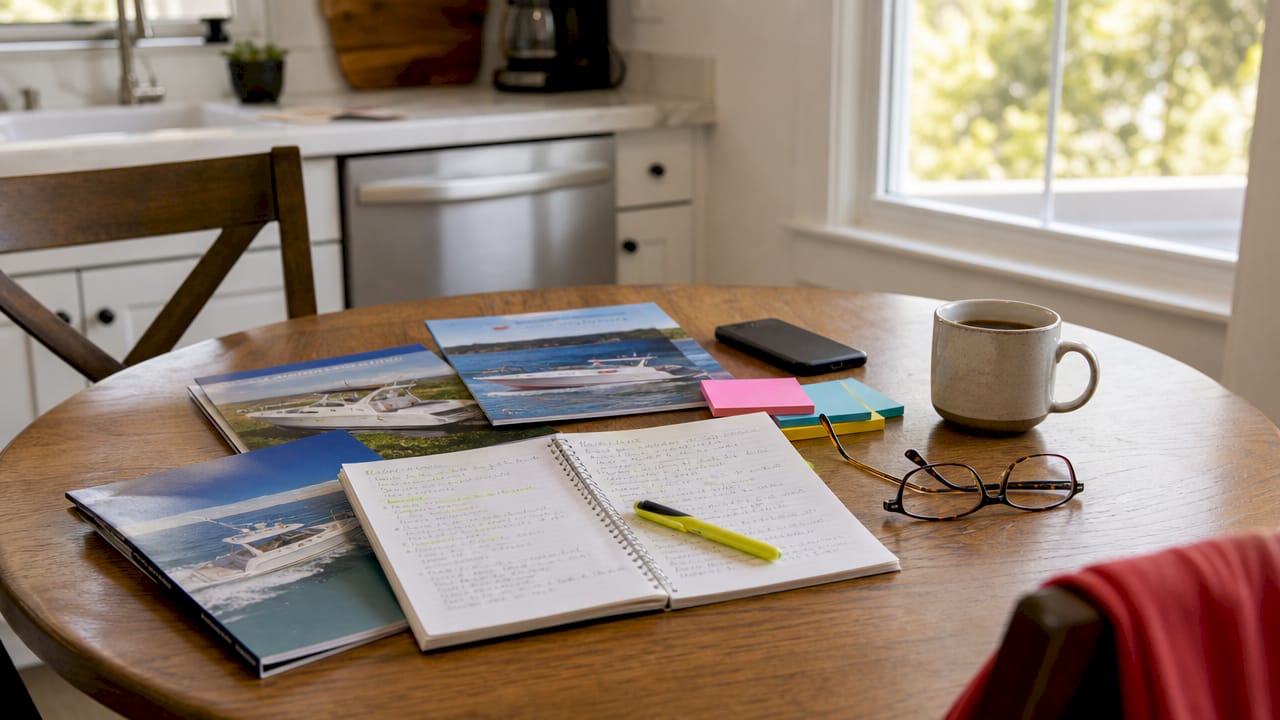
The most effective study resources fall into three categories: NASBLA-approved course materials, state boating agency handbooks, and structured practice test platforms. NASBLA-approved courses set the national standard for boating safety education content, and their materials align directly with what official exams test. State agency handbooks are free and cover jurisdiction-specific rules that generic study guides often miss.
Course costs vary widely. State-approved courses range from free to $50, with most paid options falling in the $20–$50 range. Free options exist but often lack the depth and interactivity of paid programs. Certification earned through an approved course is typically valid for life, which makes the one-time cost a reasonable investment.
| Study Material | Format | Cost Range | Best For |
|---|---|---|---|
| NASBLA-approved course | Online, in-person, or Zoom | $20–$50 | Full certification prep |
| State boating handbook | PDF or print | Free | State-specific rules |
| Practice test platforms | Online quiz | Free to $15 | Knowledge assessment |
| Multimedia course modules | Video and simulation | $20–$50 | Visual learners |
Key prerequisites to confirm before starting:
- Your state’s minimum age requirement for boat operators
- Whether your state mandates a completed course before the official exam
- Which course providers your state officially recognizes
- Whether your certification needs to be renewed or is lifetime valid
How to use boater exam practice tests effectively to pass your certification
Passing the official exam on your first attempt is achievable with a structured approach. The goal is not to memorize answers but to build genuine understanding of why each rule exists.
Follow a scoring benchmark before exam day
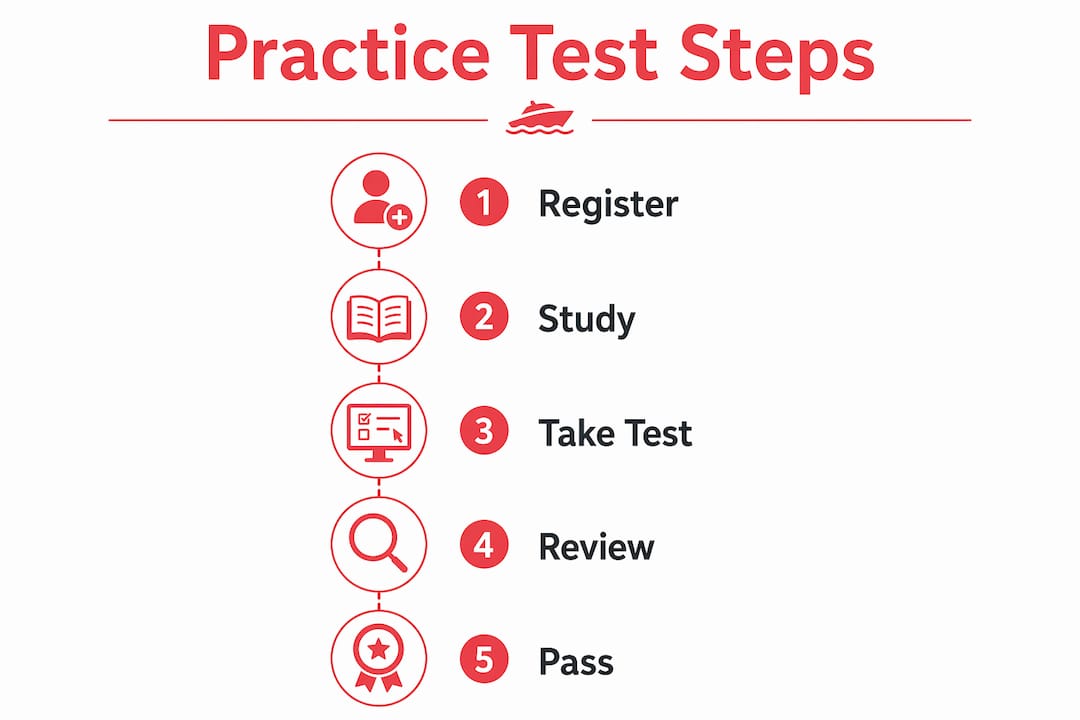
Scoring 85% or higher on two consecutive full practice tests is a reliable indicator of readiness for the official exam. That benchmark matters because it filters out lucky guessing and confirms consistent knowledge across all topic areas. Do not schedule your official exam until you hit that mark twice in a row.
Simulate the real exam environment
Taking at least two full, timed 60-question practice exams builds the pacing skills and mental endurance the real test demands. Set a timer, remove distractions, and treat each practice session as the actual exam. This approach reduces test anxiety because the format feels familiar on exam day.
Build a consistent study schedule
- Set a daily study window. Even 20–30 minutes per day outperforms a single four-hour cram session.
- Rotate question types. Mix multiple-choice, true/false, and scenario-based questions in each session.
- Review every wrong answer immediately. Do not move on until you understand why the correct answer is right.
- Focus one session per week on navigation rules. Right-of-way scenarios and crossing situations are consistently the hardest content area.
- Take a full timed test at the end of each week. Track your score to measure progress over time.
Consistent short sessions over several weeks produce better knowledge retention than cramming the night before. The brain consolidates information during rest, so spacing out your study sessions is not just convenient. It is more effective.
Pro Tip: After each practice session, write down the three questions you found hardest. Review only those three before your next session. This targeted repetition closes knowledge gaps faster than re-reading entire chapters.
What types of boater exam practice tests are available?
Not all practice tests are built the same. The format you choose affects how well you retain information and how closely your preparation mirrors the official exam.
Free vs. paid practice tests
Free practice tests are widely available through state boating agency websites and general quiz platforms. They work well for a quick knowledge check but often cover a narrow range of topics and lack explanations for wrong answers. Paid practice tests, typically bundled inside NASBLA-approved courses, include detailed answer rationales, scenario-based questions, and progress tracking.
Multimedia-enhanced courses that include videos, animations, and interactive simulations produce better learning outcomes than text-only formats. That finding is consistent across adult learning research. If you are choosing between a text-heavy free resource and an interactive paid course, the paid option delivers measurably better preparation.
State-specific vs. general practice tests
General practice tests cover federal USCG navigation rules and apply across all states. State-specific tests add jurisdiction rules, such as Florida’s no-wake zone regulations or New York’s Brianna’s Law requirements. If your state has unique boating laws, a general test alone is not sufficient. Check whether your chosen approved boating course includes state-specific content before committing to it.
| Practice Test Type | Question Volume | State-Specific Content | Answer Explanations | Cost |
|---|---|---|---|---|
| Free state agency quiz | Low (10–30) | Yes | Rarely | Free |
| General online platform | Medium (50–100) | No | Sometimes | Free to $10 |
| NASBLA course exam | High (60+) | Yes | Always | Included in course |
| Multimedia interactive | High (60+) | Yes | Always | $20–$50 |
What to look for when choosing a practice test:
- Answer explanations for every question, not just a score
- Questions that mirror the scenario-based format of official exams
- State-specific content relevant to where you will be licensed
- A timed mode that replicates real exam pressure
What common challenges do learners face with boater exam practice tests?
Most test takers struggle in predictable ways. Recognizing these patterns early saves time and prevents repeated failure on the official exam.
The memorization trap
State boating exams test decision-making under real-world conditions, not the ability to recall isolated facts. A student who memorizes that powerboats yield to sailboats will still fail a scenario question that adds a narrow channel, a vessel not under command, and a crossing situation simultaneously. Understanding the reasoning behind each rule produces far better exam results than rote memorization. For example, knowing why you throw a flotation device rather than jumping in after a person overboard helps you answer any variation of that question correctly.
Navigation rules as the hardest content area
Most beginners underestimate navigation rules like crossing and meeting vessel scenarios. These questions require you to identify vessel type, direction of travel, and right-of-way priority simultaneously. Dedicate specific study sessions to USCG Inland Navigation Rules, particularly the rules governing crossing, meeting head-on, and overtaking situations.
“Students who focus on situational judgment rather than memorization consistently score higher on official boating exams.” — PrepPool Boater Exam Research
Common mistakes to avoid:
- Skipping scenario-based questions during practice because they feel harder
- Treating a passing practice score as automatic readiness without hitting the 85% benchmark twice
- Ignoring state-specific rules and studying only federal USCG content
- Failing to review wrong answers before moving to the next practice set
- Practicing without a timer, which leaves you unprepared for real exam pacing
Pro Tip: When you get a navigation scenario wrong, draw the situation on paper. Sketch the vessels, their headings, and the right-of-way outcome. Visual mapping locks in spatial rules faster than re-reading the text.
Key Takeaways
Consistent, scenario-focused practice using NASBLA-approved materials and timed full-length tests is the most reliable path to passing your boater certification exam on the first attempt.
| Point | Details |
|---|---|
| Hit the 85% benchmark twice | Score 85% or higher on two consecutive timed practice tests before scheduling your official exam. |
| Choose state-specific content | General practice tests miss jurisdiction rules; confirm your course covers your state’s requirements. |
| Prioritize situational judgment | Exams test decision-making under real conditions, not memorization of isolated facts. |
| Use multimedia courses | Interactive video-based courses produce better retention than text-only study materials. |
| Study consistently, not intensively | Short daily sessions over several weeks outperform last-minute cramming for knowledge retention. |
Why I think most boaters study for the wrong exam
Most people preparing for their boating certification treat it like a driver’s license written test. They memorize rules, run through flashcards, and consider themselves ready once they can recite the answers. That approach fails on scenario-based questions, which are increasingly the core of official exams.
The real exam tests whether you can make the right call when three rules apply at once and the clock is running. I have seen students with perfect flashcard recall freeze on a crossing scenario because they never practiced applying rules under pressure. The fix is not more memorization. It is more simulation.
State-specific preparation also matters far more than most guides admit. A student preparing for a Florida boating certification faces different jurisdiction rules than someone taking a Virginia boating course. Generic practice tests do not cover that gap. The students who pass on the first attempt are the ones who trained on materials built for their specific state, practiced under timed conditions, and focused on understanding why each rule exists rather than what the rule says.
— Richard
Safeboatingamerica courses built for exam success
Safeboatingamerica offers NASBLA-approved boating safety courses with integrated practice exams designed to prepare you for your state’s official certification test.
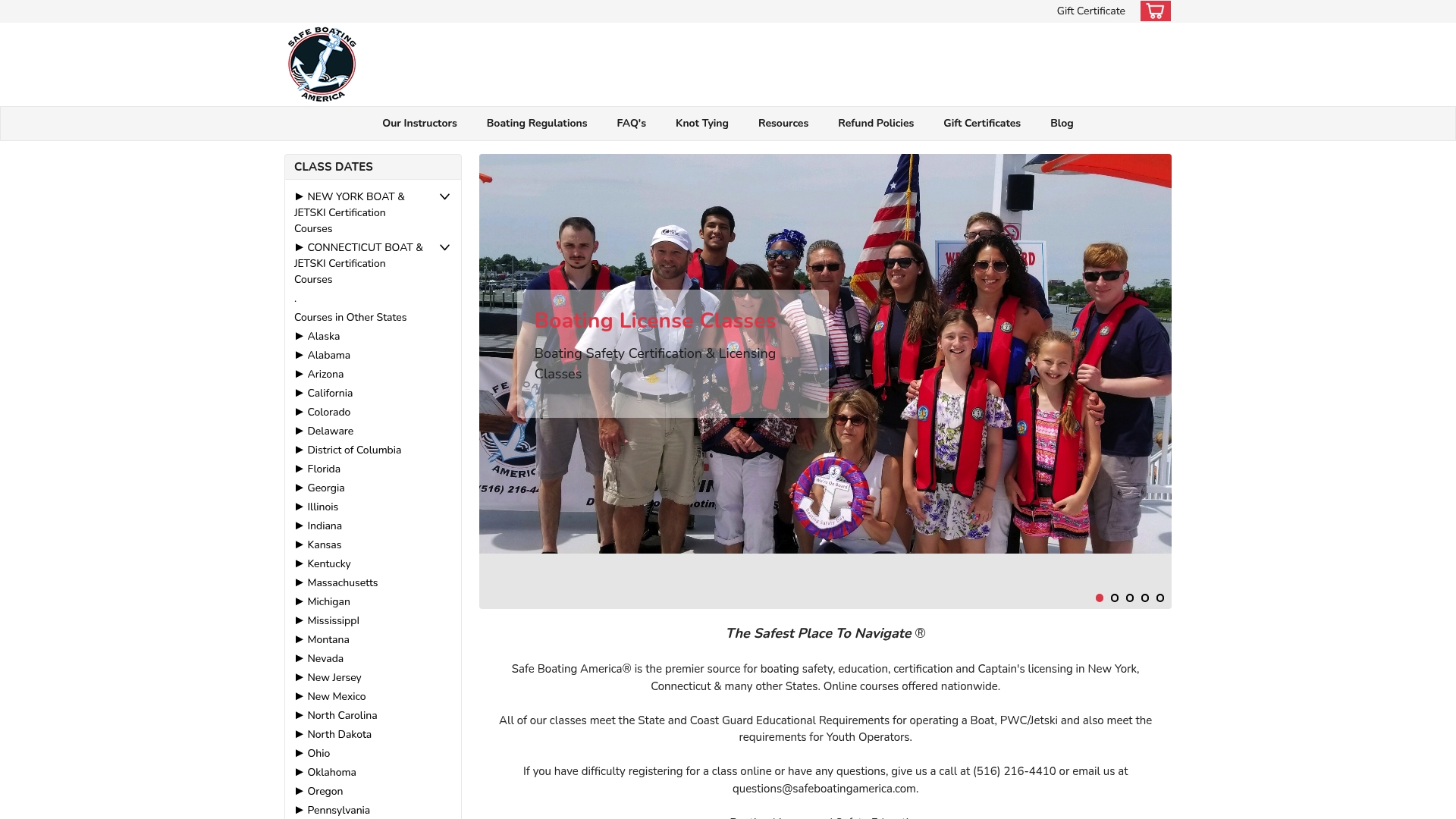
Courses are taught by State Certified Instructors and USCG-Licensed Captains and cover navigation rules, emergency procedures, personal watercraft safety, and state-specific boating laws. Practice tests are built into the course structure, not added as an afterthought. Certification earned through Safeboatingamerica is accepted across all participating states and is valid for life. Visit Safeboatingamerica to find your state’s course, review scheduling options, and complete your certification with confidence.
FAQ
What is a boater exam practice test?
A boater exam practice test is a simulated quiz that mirrors the official boating safety certification exam. It covers navigation rules, emergency procedures, and situational judgment to help you assess readiness before the real test.
How many practice tests should I take before the official exam?
Take at least two full, timed 60-question practice tests and score 85% or higher on both before scheduling your official exam. That benchmark reliably predicts first-attempt success.
Are free practice tests enough to pass the boater exam?
Free tests provide a useful knowledge check but typically lack scenario-based questions and answer explanations. NASBLA-approved course exams offer more thorough preparation and align more closely with official exam formats.
Do I need a state-specific practice test?
Yes, if your state has unique boating laws. General practice tests cover federal USCG rules but miss jurisdiction-specific content such as Florida no-wake zones or New York’s Brianna’s Law requirements.
How long does it take to prepare for a boater safety exam?
Preparation time varies, but consistent daily study sessions of 20–30 minutes over two to three weeks is more effective than a single intensive study day before the exam.
Recommended
- Boater Sports: Activities, Safety, and Certification - Safe Boating America
- Boat Captains: Certifications, Skills, and Duties - Safe Boating America
- 50-State Boating License & Jet Ski Certification Guide (2026) - Safe Boating America
- NY Boating Safety Course: 2026 Certification Guide - Safe Boating America