Boat Horns: Safety, Compliance, and Buying Guide
For small runabouts under 26 feet, a compact electric or drop-in horn handles USCG requirements at the lowest cost and installation effort. Mid-size cruisers (26–65 feet) benefit from a dual-trumpet electric or compressor-driven air horn rated at or above typical effective loudness levels for mid-size vessels. Large vessels and yachts over 65 feet need a high-output air/compressor horn with a loudness suitable for large vessels. Before buying any of these, confirm three things: the product carries USCG/COLREGS applicability for your vessel length, it lists NMMA type-acceptance or ABYC A-23 compliance, and its voltage matches your boat’s electrical system (12V or 24V).
Quick picks by category:
- Small boats (under 26 ft) / budget: Compact electric or drop-in hidden horn, $20–$60, plug-and-play install
- Small to mid-size / stealth: Sea-Dog drop-in hidden horn or Innovative Lighting Drop-In Hidden Electric Horn, $30–$80, minimal wiring
- Mid-size cruisers: Sea-Dog compact dual trumpet or Allpa single-tone electromagnetic, $60–$150, relay recommended
- Mid-size to large / certified: Wolo Sea Alert air horn kit, priced at a moderate range; relay and fuse required
- Large vessels / maximum volume: HornBlasters air/compressor horn, $150–$400+, compressor installation required
- Replacing factory horn: Marinco dual-trumpet air horn kit, offered within a mid-range price bracket; wiring chart included
Key Takeaways
The right boat horn is determined by vessel length, required dB output, and whether the product carries USCG/COLREGS applicability, NMMA type-acceptance, and ABYC A-23 compliance for your boat class.
| Point | Details |
|---|---|
| Match horn type to vessel length | Small boats under 26 ft: compact electric or drop-in; large vessels: compressor air horn rated 120+ dB(A). |
| Verify three compliance markers | Check USCG/COLREGS applicability, NMMA type-acceptance, and ABYC A-23 on every product page before buying. |
| Wire to manufacturer specs | Use stranded marine wire sized by run length (14 AWG for 20 ft up to 6 AWG for over 80 ft) and always wire compressor horns through a relay. |
| Test before every departure | Press the horn button at the dock before each trip; carry a handheld aerosol horn as a backup. |
| Safeboatingamerica for training | Safeboatingamerica offers USCG-compliant boating safety courses covering navigation rules, signal use, and required equipment across all U.S. states. |
Table of Contents
- What are the best boat horns for your vessel type?
- How to choose the right horn for your boat
- How to install a boat horn correctly
- What do different boat horn signals mean?
- How to troubleshoot and maintain your marine horn
- Does your boat horn meet U.S. regulations?
- Why proper installation and training both matter
- One thing most boaters skip before leaving the dock
- Boating safety certification to go with your new horn
- Sources
- FAQ
What are the best boat horns for your vessel type?
Marine horn types span a wide loudness range, from about 105 dB(A) to 123 dB(A) depending on design, making the right choice heavily dependent on vessel size and operating environment. The table below covers the primary options across all four categories.
Per-category notes:
- HornBlasters targets operators who need maximum output. Their marine collection includes full accessory kits with compressors, trumpets, and mounting hardware sized for yachts and commercial vessels.
- Wolo Sea Alert kits ship with manufacturer installation documentation, relay, and inline fuse. Wolo explicitly notes NMMA and ABYC compliance on many models, making compliance verification straightforward.
- Marinco (sold through wholesale marine distributors) stands out for its detailed wiring chart, which maps round-trip wire length to AWG gauge, a practical advantage for owners doing their own install.
- Attwood covers the entry-level electric segment with compact units suited to smaller powerboats and pontoons where a drop-in or surface-mount electric horn is sufficient.
- Sea-Dog compact dual trumpet uses 304 stainless construction and rates a sample unit at 110 dB(A) at one meter, with mounting guidance that specifies angling trumpets slightly downward for water drainage.
- Sea-Dog drop-in hidden horn trades peak volume for a clean install. The tech sheet specifies cutout dimensions, wire gauges, minimum horn-button amperage, and notes that wiring has no polarity.
- Allpa single-tone electromagnetic horns are available in stainless steel, chromed brass, and plastic, with catalog ratings in the 105–115 dB(A) range. A practical choice when material finish matters as much as output.
- Innovative Lighting Drop-In Hidden Electric Horn is the go-to for owners replacing a factory horn without altering dash appearance. Installation is straightforward, though peak dB sits at the lower end of the range.
How to choose the right horn for your boat
The decision comes down to four variables: vessel length, operating environment, electrical system, and how much installation work you are willing to do.
- Determine your vessel length and USCG category. COLREGS and USCG rules tie horn requirements to vessel length. Boats under 39.4 feet (12 meters) need a horn audible for at least half a nautical mile; vessels 39.4–65.6 feet (12–20 meters) require greater range. Confirm the specific requirement for your vessel class before selecting a product.
- Match horn type to boat size and use. Runabouts and small center-consoles under 26 feet: compact electric or drop-in (Attwood, Innovative Lighting, Sea-Dog hidden). Pontoons and mid-size cruisers 26–40 feet: dual-trumpet electric or entry-level air horn (Sea-Dog dual trumpet, Wolo Sea Alert). Larger cruisers and yachts over 40 feet: high-output compressor-driven air horn (Marinco, Wolo Sea Alert 24V, HornBlasters).
- Check your electrical system. Most recreational boats run 12V. Larger vessels may run 24V. Wolo’s Sea Alert line covers both. Confirm voltage before ordering.
- Set a realistic budget. Budget ($20–$60): compact electric or drop-in, minimal install. Mid-range ($60–$200): dual-trumpet electric or entry air horn kit with relay. Premium ($150–$400+): full compressor air horn system with accessories.
- Assess installation complexity. Drop-in and surface-mount electric horns require only a wiring connection. Compressor-driven air horns require mounting the compressor in a dry interior location, running air tubing, and wiring through a relay and fuse.
- Verify certifications on the product page. Look for USCG/COLREGS applicability, NMMA type-acceptance, and ABYC A-23 mention before purchasing. See the USCG safety equipment checklist for a full list of required gear by vessel class.
Pro Tip: Mount the trumpet facing forward and unobstructed. A forward-facing trumpet projects sound toward other vessels and maximizes effective range. A horn mounted sideways or rearward can lose several decibels of practical audibility even if the rated dB at one meter is unchanged.
Price bands at a glance:
- $20–$60: Basic electric or drop-in; meets USCG requirements for small boats; minimal install
- $60–$150: Dual-trumpet electric or stainless models; better durability; relay recommended
- $150–$400+: Full compressor air horn systems; maximum output; professional install advisable for complex runs
How to install a boat horn correctly
Installation quality directly affects whether a horn performs at its rated dB and survives a marine environment. Follow these steps in order.
-
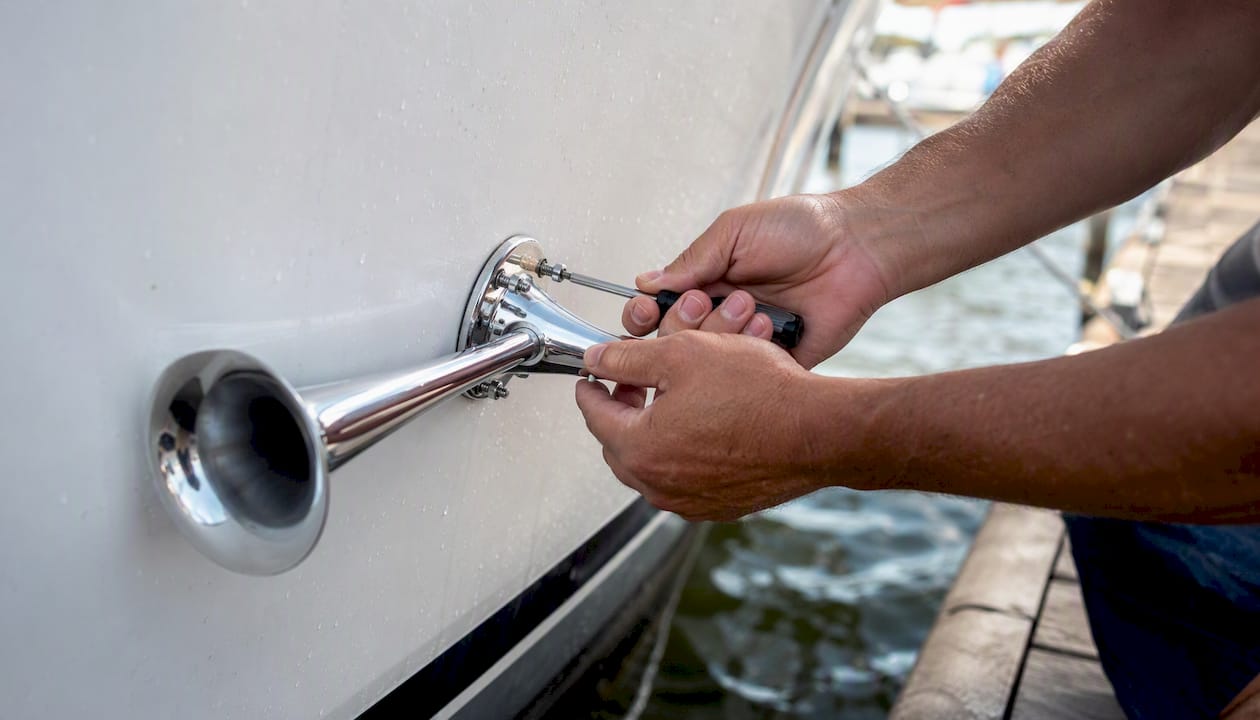
Plan the mount location. Choose a position where the trumpet faces forward and is unobstructed. Avoid locations directly in spray paths. For compressor-driven horns, identify a dry interior location within about 30 inches of the trumpet to minimize tubing length and pressure loss, per Wolo’s installation instructions.
-
Inspect before drilling. Check behind the mounting surface for fuel lines, wiring bundles, and structural members. Mark the cutout or drill point, then verify clearance.
-
Cut and de-burr. Drill or cut to the required dimensions. De-burr all edges and remove metal shavings. Install a rubber grommet wherever wiring passes through a hole.
-
Seal the mount. Use the supplied gasket or rubber strip under the horn base. Tighten base plate screws evenly to create a watertight seal. Apply marine-grade caulk around the perimeter where the manufacturer recommends it. Wolo’s manuals explicitly require the supplied relay and inline fuse and stress that gaskets must seat evenly to prevent water intrusion.
-
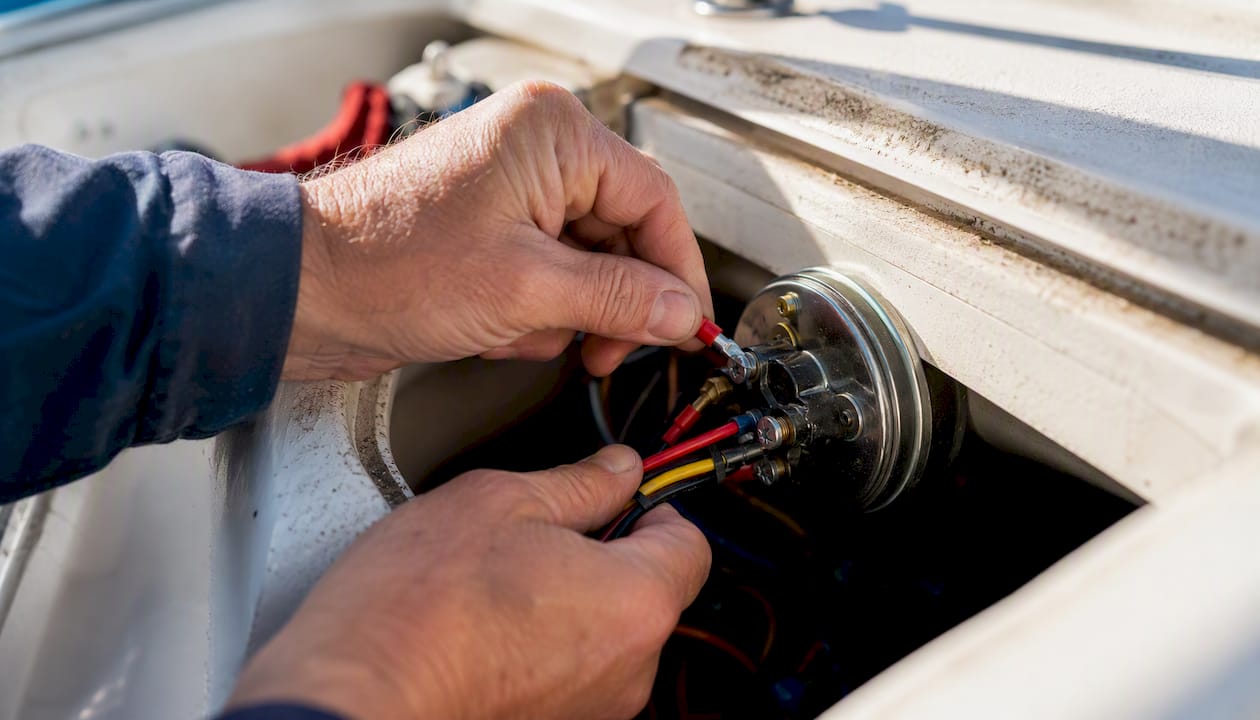
Wire through a relay. When replacing a factory horn with a higher-current compressor horn, always wire through the supplied relay. The relay protects the original factory switch and wiring from the higher current draw of the compressor motor.
-
Size wire to run length. Use stranded, tin-coated marine wire. The Marinco dual-trumpet installation guide provides the following wire-gauge chart for 12V systems:
-
Ground properly. Connect the ground wire to a clean, corrosion-free grounding point. A poor ground is the most common cause of reduced horn output after installation.
-
Angle the trumpet. Mount the trumpet slightly downward to allow water to drain out rather than pool inside the bell, as Sea-Dog’s tech sheet recommends.
-
Test before leaving the dock. Activate the horn and confirm full-volume output. Check all connections for heat or arcing.
Pro Tip: Keep compressor-to-trumpet tubing as short as possible. Every additional foot of tubing between the compressor and the trumpet can reduce air pressure at the bell, which translates directly to a lower effective dB output. Thirty inches is the manufacturer-recommended maximum for most systems.
What do different boat horn signals mean?
Horn signals are defined under COLREGS (International Regulations for Preventing Collisions at Sea) and the U.S. Inland Rules. A “short blast” is approximately one second; a “prolonged blast” is four to six seconds.
- 1 short blast: “I am altering my course to starboard” (inland waters); also used when passing port-to-port is agreed.
- 2 short blasts: “I am altering my course to port” (inland waters).
- 3 short blasts: “I am operating astern propulsion” (backing down).
- 1 prolonged blast: Vessel leaving a berth or dock; also used in restricted visibility (sound every two minutes for a power-driven vessel underway).
- 5 or more short blasts: Danger or doubt signal. Use when the intentions or actions of another vessel are unclear or when a collision risk exists.
- 1 prolonged + 2 short blasts: Vessel not under command, restricted in ability to maneuver, or constrained by draft (in restricted visibility).
Timing and context matter. In restricted visibility (fog, heavy rain), a power-driven vessel making way sounds one prolonged blast every two minutes. A vessel stopped and making no way sounds two prolonged blasts every two minutes. Always consult the USCG Navigation Rules for the complete and legally authoritative text before operating in any regulated waterway.
How to troubleshoot and maintain your marine horn
Troubleshooting sequence (work through in order):
- Check the fuse. A blown fuse is the most common cause of a completely dead horn. Locate the inline fuse in the horn circuit and test or replace it.
- Inspect the ground connection. Disconnect and clean the ground terminal. Reconnect to bare metal. Retest.
- Check wiring continuity. Use a multimeter to confirm voltage at the horn terminals when the button is pressed. No voltage points to a wiring or relay fault.
- Inspect air hose and tubing. For compressor horns, check for kinks, cracks, or loose fittings in the air line. A kinked hose drops output significantly.
- Check the diaphragm. Salt spray and debris can contaminate or corrode the diaphragm on electric horns. Remove the horn cover and inspect for buildup. Clean gently with fresh water.
- Lubricate the compressor. Manufacturer guides recommend lubricating the compressor regularly according to manufacturer guidance. Activate the compressor before reconnecting the air hose to prevent oil from reaching the diaphragm.
Routine maintenance schedule:
- Monthly: Visual inspection of mount, gasket, and wiring connections for corrosion or loosening.
- Quarterly: Compressor lubrication (air horn systems); check tubing for cracks.
- Annually: Full functional test at dock; verify fuse rating; inspect trumpet for debris or nesting.
Call a certified marine electrician when you encounter diaphragm replacement on a sealed unit, electrical faults that persist after fuse and ground checks, or any repair requiring access to a horn installed inside the hull. Hidden-in-hull repairs in particular can involve confined spaces and wiring near fuel systems. Review the boat safety equipment checklist to confirm your horn and all other required gear are in working order before each season.
Does your boat horn meet U.S. regulations?
U.S. boaters must comply with both USCG regulations and COLREGS (for international waters) or Inland Rules (for most U.S. waters). Compliance is tied to vessel length, not horn brand.
Regulatory checklist:
- [ ] USCG/COLREGS applicability: Confirm the product page states the horn meets USCG requirements for your vessel’s length category. Vessels under 39.4 feet (12 meters) need a horn audible for at least half a nautical mile; 39.4–65.6 feet (12–20 meters) require greater range.
- [ ] NMMA type-acceptance: Look for NMMA type-acceptance notation on the product page or packaging. Wolo Sea Alert models explicitly note this; verify for any other brand.
- [ ] ABYC A-23: The ABYC A-23 standard covers marine horn performance and installation. Confirm the product references this standard for installations on ABYC-compliant vessels.
- [ ] Voltage compatibility: Confirm 12V or 24V match to your boat’s electrical system.
- [ ] Loudness (dB at 1m): Verify the rated dB meets the minimum for your vessel class. Electric horns in the 105–115 dB(A) range cover most recreational boats; large vessels need 120+ dB(A).
- [ ] Retain documentation: Keep the manufacturer’s installation instructions, wiring diagram, and any compliance certificates on board or accessible. Test the horn before every voyage.
For a full breakdown of USCG-required safety equipment by vessel size, see the USCG rules for 14-foot powerboats and the broader boat requirements guide.
Why proper installation and training both matter
Manufacturer documentation is consistent on one point: installation shortcuts cause failures at the worst possible moment. Wolo’s guidance warns that improper mounting and failure to use gaskets or rubber strips can allow water into the hull and degrade performance over time. Watertight seals and vibration isolation are not optional steps.
The Marinco dual-trumpet guide reinforces this with its wire-gauge chart and troubleshooting checklist, giving installers a structured path from mounting through first test. Sea-Dog’s tech sheets add the detail that hidden horns have no polarity, which simplifies wiring but requires attention to horn-button amperage ratings.
Beyond hardware, knowing how to use a horn correctly is a legal and safety obligation. A certified boating safety course covers navigation rules, signal meanings, and equipment requirements in a structured format that a product manual cannot replace. For complex installs involving hull penetrations or 24V systems, a certified marine electrician is the right call.
One thing most boaters skip before leaving the dock
The single most overlooked step in horn ownership is the pre-departure test. Press the horn button before every trip. It takes two seconds and confirms the fuse is intact, the wiring is live, and the diaphragm or compressor is functional. A horn that worked last month may not work today after a winter in storage or a season of salt exposure.
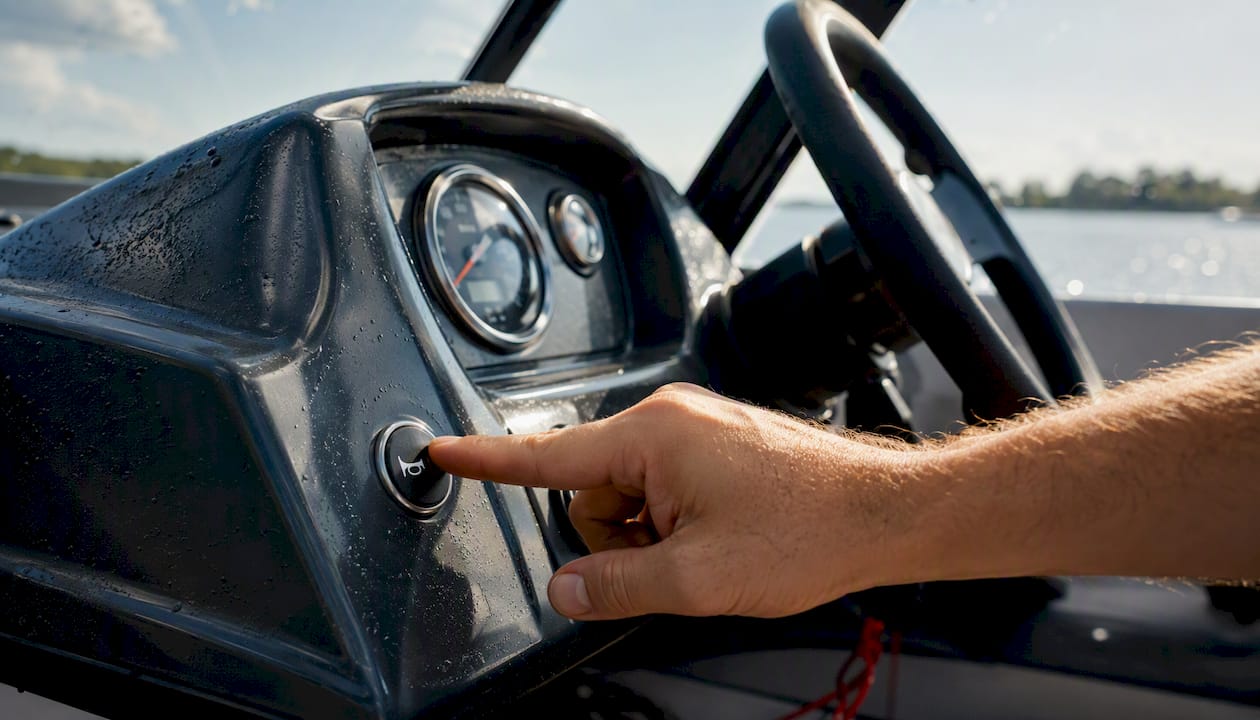
Carry a handheld aerosol fog horn as a backup. It costs under $20, requires no wiring, and meets USCG requirements for vessels under 39.4 feet as a standalone device. If your primary horn fails underway, the handheld keeps you compliant and audible.
Boating safety certification to go with your new horn
Knowing which horn to buy is one part of operating legally and safely on U.S. waters. Understanding when and how to use it, what signals mean, and what other equipment your vessel must carry is the other part. That knowledge comes from a structured safety course, not a product manual.
Safeboatingamerica offers state-approved boating safety certification courses across all 50 states, taught by USCG-Licensed Captains and State Certified Instructors using NASBLA-approved materials. Courses cover navigation rules, required safety equipment, horn signal use, and collision-avoidance procedures in a format that satisfies state licensing requirements. Options include online, in-person, and live Zoom classes, with same-day certification available in many states. If you need a New York boating license, a Connecticut Safe Boating Certificate, or certification in any other state, start your course at Safeboatingamerica and get on the water legally and confidently.
Sources
The following manufacturer documents and installation guides are the primary references for the specifications, wiring data, and compliance claims in this article.
- INSTALLATION INSTRUCTIONS Model 150 SEA ALERT ® Xtreme 12-Volt
- INSTALLATION INSTRUCTIONS Model 140-24 & 145-24 SEA ALERT ®
- Dual Trumpet Air Horn 10106 & 10122 Installation Instructions
- Compact Dual Trumpet Horn 431620
- Drop-In Hidden Horn v.2 431235
- Loud Marine Air Horns for Boats, Ships & Yachts
FAQ
What is a boat horn called?
A marine horn or fog horn. Formally, COLREGS and USCG regulations refer to it as a “sound-signaling device,” which includes whistle-type horns, air horns, and electric horns.
What do different boat horn signals mean?
One short blast means altering course to starboard; two short blasts mean altering course to port; three short blasts mean operating astern. Five or more short blasts signal danger or doubt. A prolonged blast (four to six seconds) is used when leaving a berth or in restricted visibility.
What is the loudest boat horn available?
HornBlasters’ marine air/compressor horn systems reach approximately 123 dB(A) at one meter, placing them at the top of the recreational marine range. Most electric horns rate between 105 and 115 dB(A).
What are the best boat horns for small boats?
For boats under 26 feet, the Sea-Dog drop-in hidden horn, Innovative Lighting Drop-In Hidden Electric Horn, and Attwood compact electric models all meet USCG requirements at a low install complexity and a price range of $20–$80.
Do boat horns need to meet specific U.S. standards?
Yes. U.S. boaters should verify USCG/COLREGS applicability for their vessel length, NMMA type-acceptance, and ABYC A-23 compliance on any horn before purchase. Wolo Sea Alert models explicitly document these certifications; confirm them for any other brand on the product page or packaging.