
Essential Sailboat Parts: A New Owner’s Safety Guide
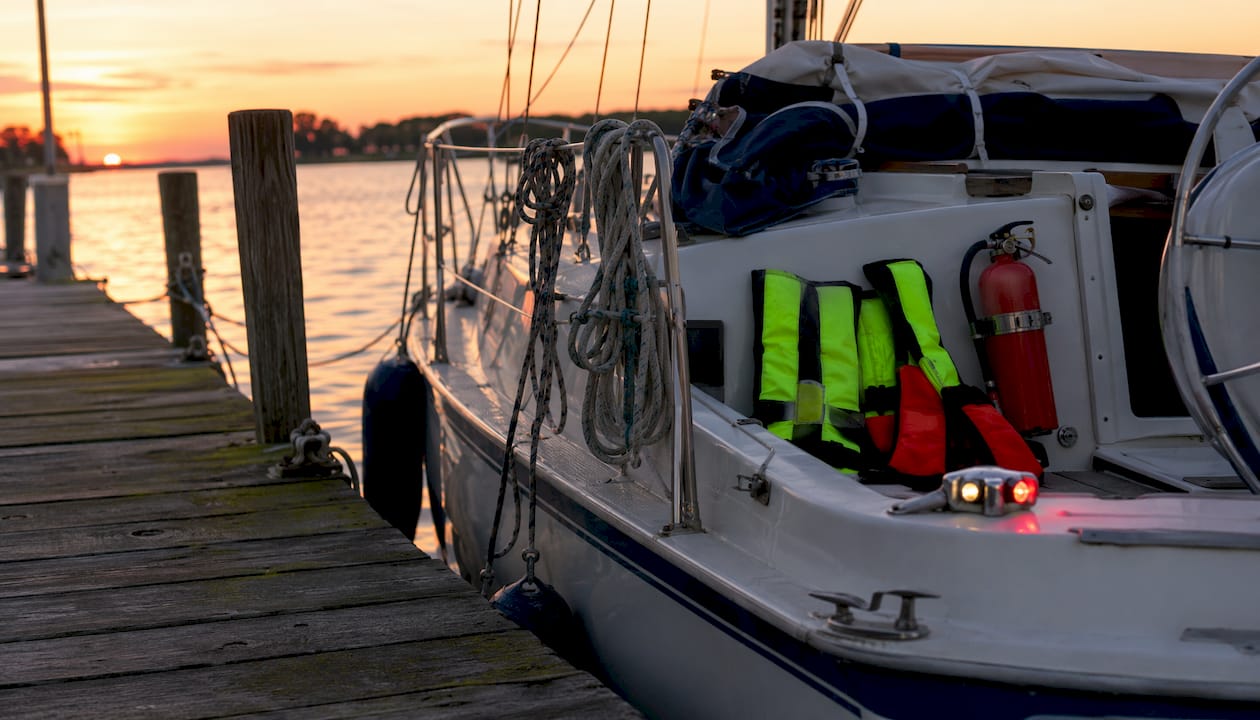
Sailboat parts span every system on the vessel: safety-critical gear (PFDs, bilge pumps, fire extinguishers), standing and running rigging, mast and boom hardware, sails, deck hardware, ground tackle, steering, propulsion, electrical, and navigation/communications. For a new owner, the immediate priority is inspection before sourcing. Follow this sequence now:
- Inspect safety-critical items first: bilge pumps, seacocks/through-hulls, PFDs, navigation lights, fire extinguishers, and handheld VHF radio.
- Record part numbers and measurements: shroud lengths, halyard diameters, shaft diameter and taper, propeller pitch, and thread pitch for fasteners.
- Log everything: open a maintenance logbook with date, condition found, and next-due date.
- Check OEM lead times before the season opens; some rigging and sail components ship in weeks, not days.
- Schedule professional inspection for standing rigging, structural items, and any through-hull showing corrosion.
Table of Contents
- What sailboat parts do you actually need to know?
- How do you inspect safety-critical parts during spring commissioning?
- Where should you buy sailboat parts, and how do you compare channels?
- Safeboatingamerica covers the safety knowledge side of commissioning
- FAQ
What sailboat parts do you actually need to know?
Every part category below carries a different safety weight and price point. The table gives you a fast budget reference; the notes that follow explain what to prioritize.
| Category | Function | Typical Price Range | Safety Impact |
|---|---|---|---|
| Life jackets / PFDs | Personal flotation; legally required per person | under $20 | Critical |
| Bilge pump (manual & electric) | Remove water from bilge | under $20 | Critical |
| Standing rigging (shrouds, stays) | Supports the mast | several hundred to several thousand dollars | Critical |
| Handheld VHF radio | Voice and DSC distress communication | several hundred dollars | Critical |
| Fire extinguisher | Onboard fire suppression | under $20 | Critical |
| Navigation lights | Legal visibility underway | under $20 | Critical |
| Anchor and rode | Secures vessel; emergency stop | several hundred dollars | Critical |
| Running rigging (halyards, sheets) | Hoists and trims sails | several hundred dollars | High |
| Mast and boom hardware | Connects and controls spars | several hundred dollars | High |
| Winches | Mechanical advantage for line handling | several hundred to several thousand dollars | High |
| Blocks and cleats | Directs and secures running rigging | under $20 | High |
| Sails (main, headsail, specialty) | Primary propulsion | — | High |
| Hull fittings / through-hulls | Penetrations below waterline | under $20 each | Critical |
| Steering (rudder, tiller, helm) | Directional control | — | Critical |
| Propulsion (prop, shaft, stern gland) | Drive system | — | High |
| Boarding steps / ladder | Safe boarding and MOB recovery | several hundred dollars | Moderate |
| Wind indicator (Windex) | Visual apparent wind direction | under $20 | Convenience |
| Sea-rail bags / deck storage | Quick-access deck stowage | under $20 | Convenience |
| Specialized cushions | Cockpit and cabin comfort | several hundred dollars | Convenience |
Compatibility basics. Before ordering any replacement, capture these measurements from the original part or equipment manual: shroud length and end-terminal type, halyard diameter, shaft diameter and taper, propeller pitch and diameter, and thread pitch for fasteners. Manufacturer part numbers are the most reliable match signal; exact-fit parts require these specs to avoid costly returns. For material, 316 stainless steel is the correct grade for standing rigging terminals, mast hardware, and deck fittings exposed to saltwater; cheaper 304 alloys corrode faster in marine environments.
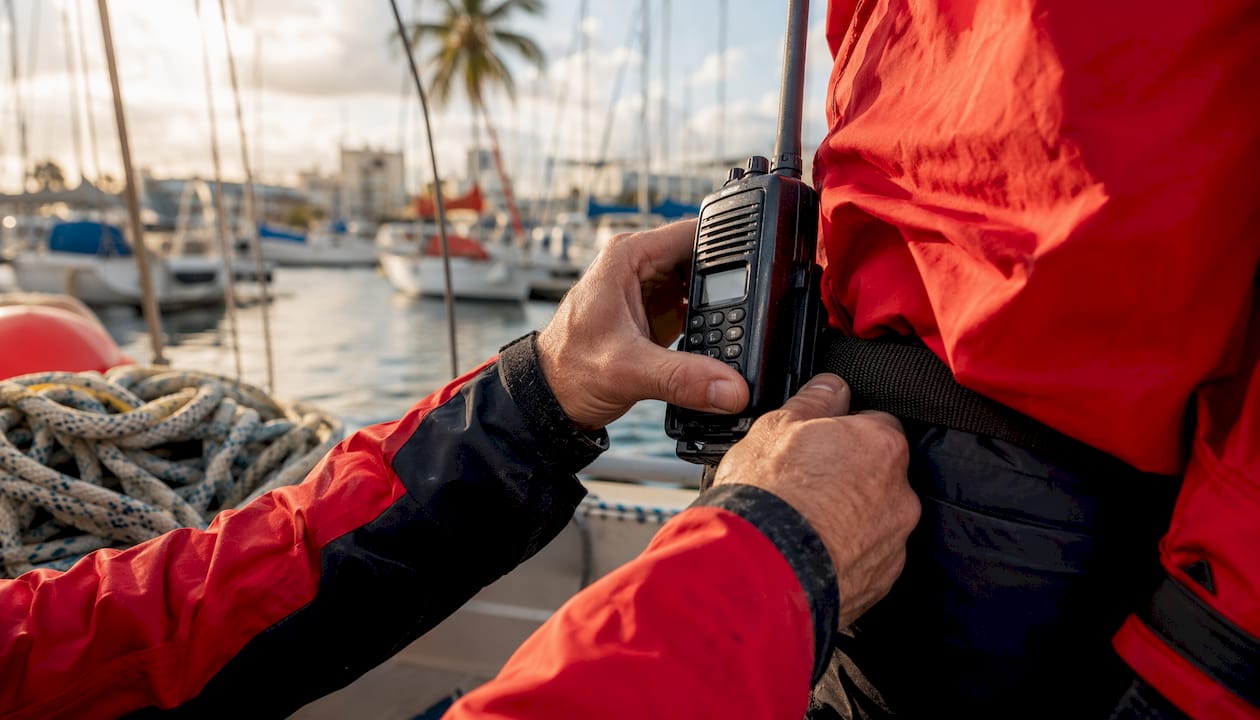
Common accessories that lift safety and comfort include the wind indicator (Windex), handheld VHF radio, sea-rail bags, and boarding steps. These are low-cost additions with measurable returns on deck safety and situational awareness.
Trust signals matter at resale. Manufacturer part numbers, ABYC-referenced installation notes, and a documented service logbook all increase buyer confidence and resale value.
How do you inspect safety-critical parts during spring commissioning?
Spring commissioning is when the most common failure modes surface. Prioritize systems that directly affect safety and reliability: hull integrity, engine cooling, fuel lines, electrical protection, and bilge systems.
Step-by-step commissioning checklist:
- Hull and through-hulls: Open and close every seacock. Seacocks and through-hulls are recommended for replacement on a 5-year cycle, with double-clamped hose installations. Look for weeping, corrosion, or stiff operation.
- Bilge pumps (manual and electric): Test the float switch on the electric pump and cycle the manual pump. A failed float switch is the most common electric pump failure mode.
- Standing rigging: Inspect every swage terminal, turnbuckle, and cotter pin for cracks, corrosion, or distortion. Rigging is typically inspected after a few years of service and replaced within about a decade. Internal failures at terminals often precede visible signs, so follow replacement windows rather than relying on visual checks alone.
- PFDs / life jackets: Confirm one approved type per person aboard, check inflation mechanisms on inflatables, and verify sizing. This is the highest safety-impact item on any boat safety inspection.
- Navigation lights: Test all running lights and the anchor light. Replace bulbs or LED units showing corrosion in the socket.
- Fire extinguisher: Check pressure gauge and inspection date. Replace any unit past its service date.
- Engine cooling and fuel lines: Inspect raw-water impeller, belts, and hoses for cracking. Check fuel lines for chafe and fittings for weeping.
- Handheld VHF radio: Test transmit and receive; confirm battery holds charge. Verify DSC MMSI is programmed.
- Sails and running rigging: Look for UV degradation on sheets and halyards, chafe at turning points, and delamination or torn batten pockets on sails. Rinsing sails with fresh water after each outing extends their service life significantly.
- Anchor and rode: Inspect chain for stretch and corrosion, shackle pins for security, and rode for chafe at the bow roller.
Timeline guidance. Day-0 checks cover items 1–4 above before the boat leaves the dock. Order parts with known lead times within the first 1–2 weeks. Annual service covers items 5–10. Standing rigging, life-raft hydrostatic releases, and EPIRB batteries follow 3–5 year replacement windows.
Pro Tip: Build a three-column maintenance log: “Inspect” (pass/fail), “Service” (work done), and “Next Due” (date or engine hours). A seasonal maintenance checklist in this format converts upkeep into a predictable, auditable schedule that mechanics and buyers trust.
DIY vs. professional. Replacing a bilge pump, swapping cleats, or changing navigation light bulbs are sensible DIY tasks. Standing rigging replacement, structural repairs, and major sail work call for a professional. Professional labor for complex jobs can run several times the DIY cost, so assess skill level honestly before starting.
Where should you buy sailboat parts, and how do you compare channels?
Four channels dominate the market. Each has a different profile on price, lead time, fit assurance, and warranty.
| Channel | Price Range | Lead Time | Fit Assurance | Warranty | Best For |
|---|---|---|---|---|---|
| Marine chandlery | Mid to full retail | Same day to 3 days | High (staff support) | Full manufacturer | DIY owners; urgent replacements |
| OEM / direct from manufacturer | Full retail | 1–4 weeks | Highest (exact match) | Full manufacturer | Critical safety parts; exact-spec items |
| Aftermarket suppliers | typically significantly below OEM prices | 3–10 days | Moderate (verify specs) | Varies | Hardware, consumables, running rigging |
| Used / secondary market | typically significantly below new prices | Varies | Low (inspect before buying) | None | Non-safety items; cosmetic parts |
Marine chandleries stock thousands of SKUs across winches, blocks, furling systems, and shackles, organized for both DIY sailors and professional installers. For one-design and small-boat owners (Laser/ILCA, Hobie Cat, Club 420), model-specific suppliers are often the fastest route to exact-fit replacement parts.
Questions to ask any supplier before purchasing:
- What is the manufacturer part number, and does it match my original?
- What material grade is used (316 vs. 304 stainless, or nylon vs. Delrin)?
- What are the thread pitch and shaft specs for fasteners and fittings?
- What is the return policy if the part does not fit?
- What is the current lead time for this item?
- How do I verify authenticity for safety-critical components?
- What warranty terms apply, and who handles claims?
- Are installation instructions and recommended torque specs included?
Budgeting note. Minor hardware (pins, shackles, split rings) typically runs under $20 each. Winches, mast hardware, and new sails can reach several hundred to several thousand dollars. Plan procurement lead times for OEM items well before the season; chandlery stock is available immediately but may not carry every model-specific part. Used parts are acceptable for cushions, sea-rail bags, and boarding steps; avoid them for standing rigging, through-hulls, PFDs, and fire extinguishers.
For state registration and safety equipment requirements that affect what you must carry aboard, confirm current rules with your state authority. South Carolina boaters, for example, can review state registration requirements as a reference for documentation and equipment standards.
Safeboatingamerica covers the safety knowledge side of commissioning
Knowing which parts to inspect is one half of safe commissioning. Understanding the legal requirements behind them is the other. Safeboatingamerica’s state-approved boating safety courses cover required safety equipment, USCG-compliant procedures, and the documentation practices that support a solid maintenance logbook. Courses are taught by NASBLA-approved instructors and USCG-Licensed Captains, available online, via live Zoom, or in person across all U.S. states. Same-day certification is available for many states. New owners who complete the course leave with a clear picture of which onboard items are legally required, how to document them, and what inspectors look for. Enroll in an online boating safety course today and get your state-required certification before the season starts.
FAQ
What sailboat parts are legally required by the USCG?
The USCG requires all recreational vessels to carry approved PFDs (one per person), a fire extinguisher, navigation lights, a sound-producing device, and a visual distress signal. A handheld VHF radio is strongly recommended and required by some state regulations for certain waters.
How often should standing rigging be replaced?
Standing rigging is typically inspected at 5 years and replaced by 10 years. Internal failures at swage terminals often occur before visible signs appear, so following the replacement window is more reliable than visual inspection alone.
What measurements do I need before ordering replacement parts?
Capture shroud length and terminal type, halyard diameter, shaft diameter and taper, propeller pitch and diameter, thread pitch for fasteners, and the manufacturer part number from the original part or equipment manual.
Is it safe to buy used sailboat parts?
Used parts are acceptable for non-safety items such as cushions, sea-rail bags, and boarding steps. Avoid the secondary market for standing rigging, through-hulls, PFDs, fire extinguishers, and any structural component where failure creates direct safety risk.
How does a boating safety course help with sailboat commissioning?
A state-approved course, such as those offered by Safeboatingamerica, covers required safety equipment lists and documentation practices, giving new owners a verified framework for their commissioning checklist and maintenance logbook.