13 Is the Minimum: Texas Jet Ski Age and When You Need a Boater Card

In Texas you must be at least 13 to operate a jet ski alone. Riders younger than 13 may only run a personal watercraft while an eligible adult stays on board, and depending on birth date, many operators of any age must also carry a boater education certification card. The age rule and the education rule are two separate legal tests, and both matter before anyone heads out on Texas water.
TL;DR:
- A child under 13 cannot operate a jet ski alone in Texas and must be supervised by someone at least 18 years old who is qualified to operate the PWC.
- Anyone born on or after September 1, 1993, must complete a TPWD-approved boater education course before riding solo, regardless of age or watercraft horsepower.
- Riders 13 or older born before September 1, 1993, are exempt from education requirements but still need to meet the minimum age and safety gear rules.
- Operators must wear a US Coast Guard approved life jacket and attach the engine cutoff switch lanyard while riding on a PWC.
- Rental companies often impose stricter rules, including higher age limits and deposits, so checking ahead can prevent delays or refusals.
Table of Contents
- Who may operate a jet ski in Texas: age, supervision, and birth-date rules
- Boater education and certificates: who needs a card and how to get one
- Required safety equipment and operating limits on the water
- Rentals and parental planning: what to expect at the counter
- Why certification and following TPWD rules actually matter
- Getting certified before your next Texas jet ski outing
- FAQ
- Sources
Who may operate a jet ski in Texas: age, supervision, and birth-date rules
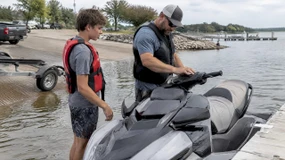
Texas law sets the minimum solo operating age for a personal watercraft, or PWC, at 13. A PWC regulation from TPWD states that anyone under 13 cannot run a jet ski alone under any circumstance. That rider must have someone at least 18 years old on board who is legally allowed to operate the PWC themselves.
Age is only half the picture. A second, separate rule ties certification to birth date rather than current age. Anyone born on or after September 1, 1993 must complete a TPWD-approved boater education course before legally operating a PWC, according to TPWD’s boater education page. This applies to every personal watercraft regardless of engine size.
Here is how the two rules interact in practice:
- A 12-year-old cannot operate a jet ski under any circumstance, supervised or not, since the age floor for any operation is 13.
- A 13-year-old born after September 1, 1993 meets the age minimum but still needs a boater education card before riding solo.
- A 25-year-old born before September 1, 1993 clears the age requirement and is exempt from the mandatory education law, though completing a course is still a sound practice.
These rules stack rather than replace each other. A rider can satisfy the age requirement and still be unqualified to operate alone if the education rule applies to their birth date. Parents planning a family outing should check both boxes before assuming a teenager is cleared to drive.
Boater education and certificates: who needs a card and how to get one
The mandatory education law in Texas applies to anyone born on or after September 1, 1993, and it covers every PWC regardless of horsepower, per TPWD’s boater education guidance. There is no exemption for low-powered models or short rental sessions.
Getting certified follows a straightforward sequence:
- Confirm whether your birth date places you under the mandatory education law.
- Choose a TPWD-approved course format: online, in-person classroom, or an equivalency exam for experienced boaters.
- Complete the coursework and pass the required exam.
- Print or save your certification card the same day in most online formats.
- Confirm the course carries TPWD approval before registering, since not every online option qualifies.
Pro Tip: Keep a digital copy of your boater card on your phone as a backup to the physical version, since rental staff and wardens may ask to see it on the spot.
TPWD guidance recommends carrying both a photo ID and the boater certification card while on the water. Rental counters frequently ask for both documents before handing over the keys, and a jet ski certification class completed in advance avoids delays at the dock. Riders who skip this step risk being turned away even when they meet the age requirement.
Required safety equipment and operating limits on the water
Every occupant on a PWC must wear a U.S. Coast Guard approved wearable personal flotation device, according to TPWD’s PWC operation rules. Inflatable life jackets do not meet this standard and are not approved for PWC use under any condition.
The engine cutoff switch matters as much as the PFD. When a PWC is equipped with a lanyard-style cutoff switch, the operator must attach it to themselves or their clothing before starting the engine. This stops the engine automatically if the rider falls off, which prevents a runaway watercraft from circling back toward swimmers or other boats.
Operational limits apply on top of the gear rules:
- No PWC operation is allowed between sunset and sunrise.
- Riders must slow to headway speed within 50 feet of another vessel, person, object, platform, or shoreline.
- Reckless wake-jumping and similarly hazardous maneuvers near other watercraft are prohibited.
One of the clearest safety signals in the TPWD rulebook is the cutoff-lanyard requirement, since a disconnected rider and an unattended running engine is one of the more common causes of PWC collisions. Pairing the right PFD and cutoff gear with the age and education rules covers the full legal picture for operating a jet ski in Texas.
Rentals and parental planning: what to expect at the counter
Rental companies are free to set stricter rules than the state minimum, and most do. A business can require a higher minimum operator age than 13, demand a credit card on file, collect a security deposit, or require an on-site orientation session before handing over a PWC, as TPWD’s operational guidance notes. State law sets the floor, not the rental policy.
A short checklist avoids most counter-side surprises:
- Government-issued photo ID for the renter.
- Boater education card, if the birth-date rule applies.
- A valid credit card for the deposit.
- A signed liability waiver, often required before equipment leaves the dock.
- Closed-toe water shoes and a properly fitted life jacket check.
Pro Tip: Call the rental location a day ahead and ask about their minimum age and deposit policy, since these vary by business and change seasonally.
Parents should also separate passenger rules from operator rules. A young child riding as a passenger behind a qualified adult operator faces different seating and fit requirements than someone operating the craft, and guidance for minors on PWCs covers age-appropriate seating in more detail. A toddler too small to properly wear an approved PFD should not be brought along, regardless of seating position.

Why certification and following TPWD rules actually matter
A boater card is not paperwork for its own sake. It reflects training that covers the exact scenarios, cutoff switches, headway speed, nighttime limits, that cause most PWC incidents. Completing an approved course before a first rental, and carrying proof of it, removes the single biggest reason riders get turned away at the dock.
— Richard
Getting certified before your next Texas jet ski outing
Safe Boating America offers TPWD-aligned boater education through several formats built for different schedules: fully online self-paced courses, live Zoom sessions, and in-person classes. Riders who need a card quickly can often complete an online boating course and print their certification the same day.
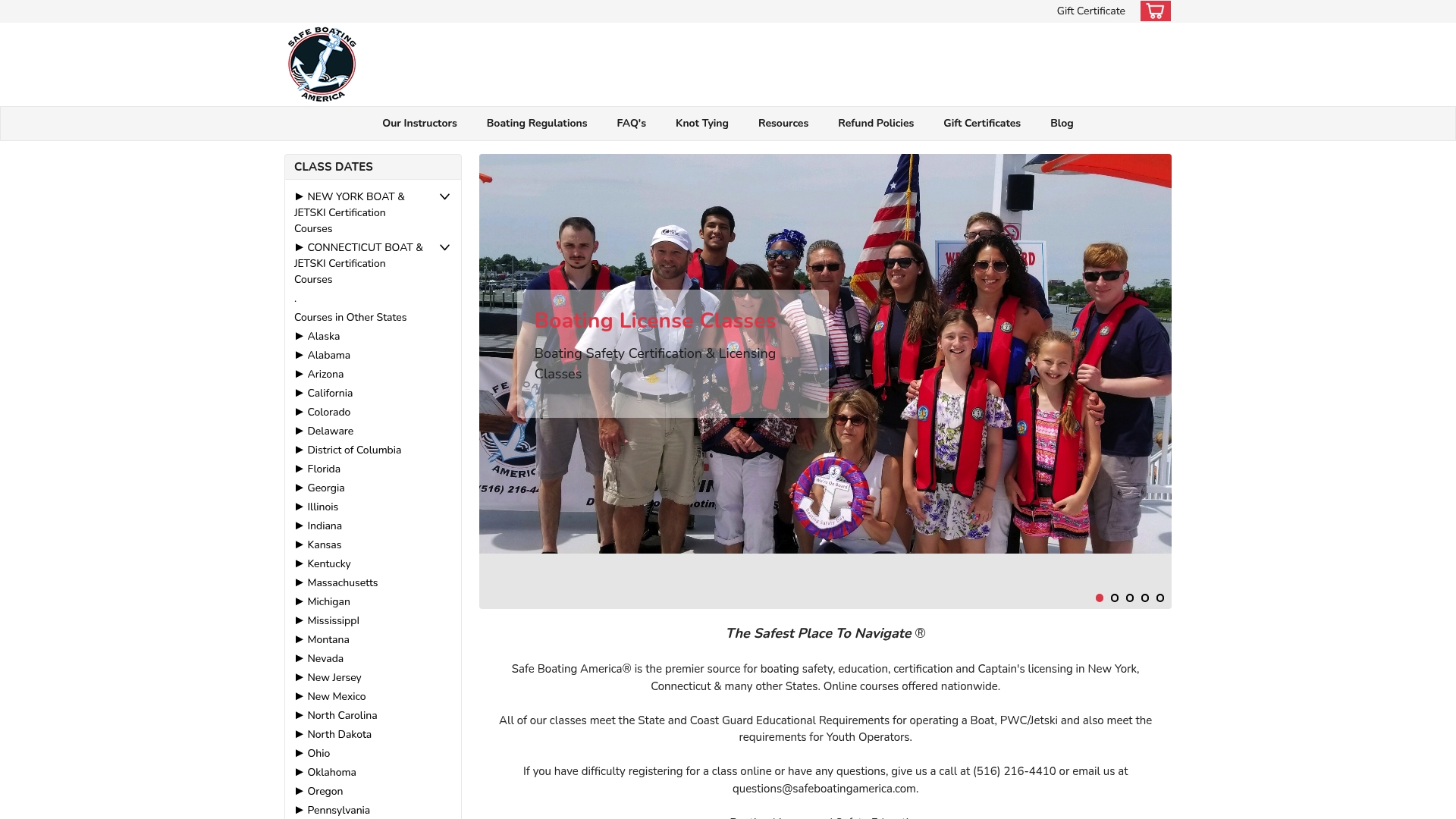
Course content follows NASBLA-aligned curriculum standards, and the certification card produced at the end is the same document TPWD and rental counters expect to see on the water. For a live instructor-led option that fits into a single evening, the Zoom Online 1-Day Class is offered for a fee. Visit Safeboatingamerica.com for current pricing. Either path gets a Texas rider the documentation needed before the next rental or first solo ride.
FAQ
Can a 13 year old drive a jet ski in Texas?
Yes, 13 is the minimum legal age to operate a personal watercraft alone in Texas, according to TPWD. A 13-year-old born on or after September 1, 1993 also needs a boater education card before operating solo.
Can a 14 year old ride a jet ski alone?
Yes, anyone who meets the state’s minimum solo operating age of 13 clears that requirement. If the rider’s birth date falls on or after September 1, 1993, Texas still requires a completed boater education course before they can legally operate without supervision.
Can a 12 year old jet ski?
A 12-year-old cannot operate a personal watercraft alone under Texas law in any situation. They may only be on board while an adult at least 18 years old, who is legally qualified to operate the PWC, handles the controls.
Can I take a 2 year old on a jet ski?
Texas law requires every occupant to wear a U.S. Coast Guard approved wearable life jacket, and a toddler generally cannot be properly fitted for one. Most safety guidance and rental policies advise against bringing very young children on a personal watercraft for this reason.