How to Ski Safe: 10 Essential Tips for 2026
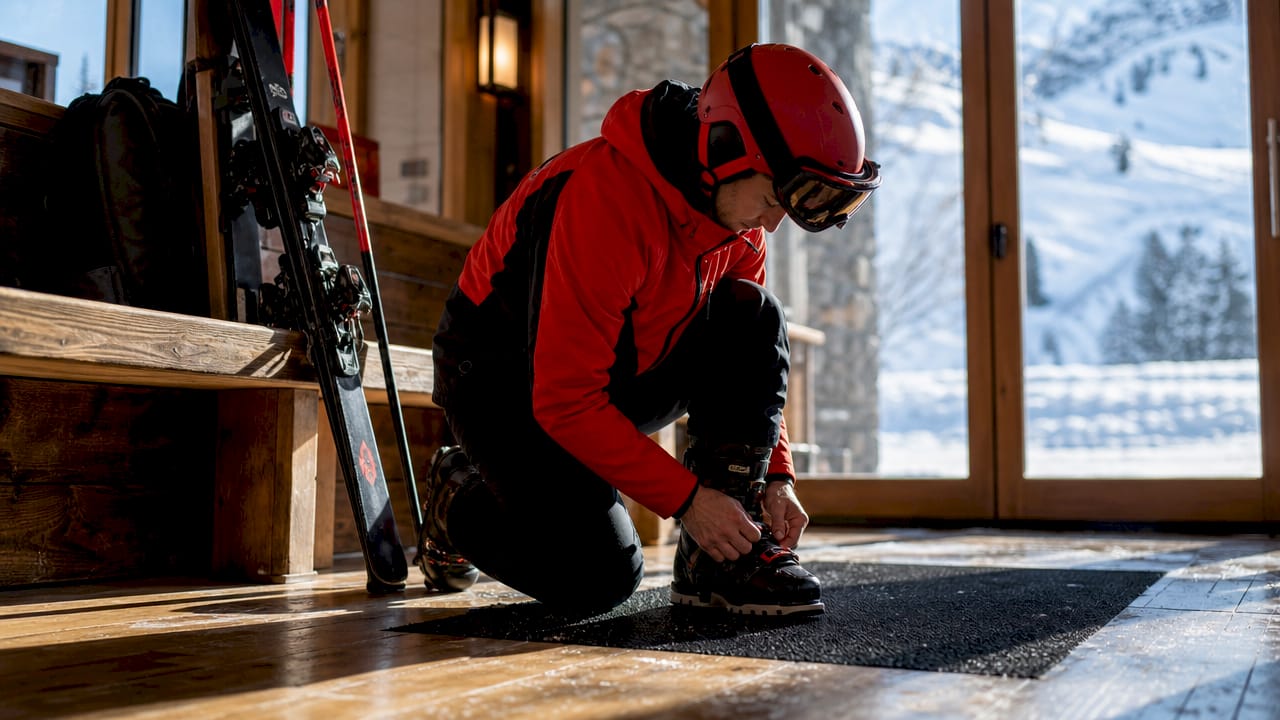
Skiing safely is defined as the combination of physical preparation, properly maintained equipment, and deliberate on-mountain behavior that collectively prevents injuries and accidents on the slopes. The industry term for this practice is ski safety, and it covers everything from pre-trip fitness training to reading resort warning signs correctly. Skiers who treat safety as a system rather than a checklist reduce their injury risk at every level of ability. This guide gives you 10 concrete, expert-backed steps to ski safe this season.
1. how to ski safe starts before you leave home
Physical preparation is the single most controllable factor in skiing accident prevention. Start training 30 days before your trip, focusing on squads, lunges, planks, and balance drills. These exercises build the eccentric quadriceps strength that protects your ACL and MCL during sudden stops and edge catches.
On the day of skiing, spend 10 minutes warming up before your first run. Light cardio and dynamic stretching boost circulation and prepare your muscles for cold conditions. Skipping this step is one of the most common causes of early-morning muscle pulls.
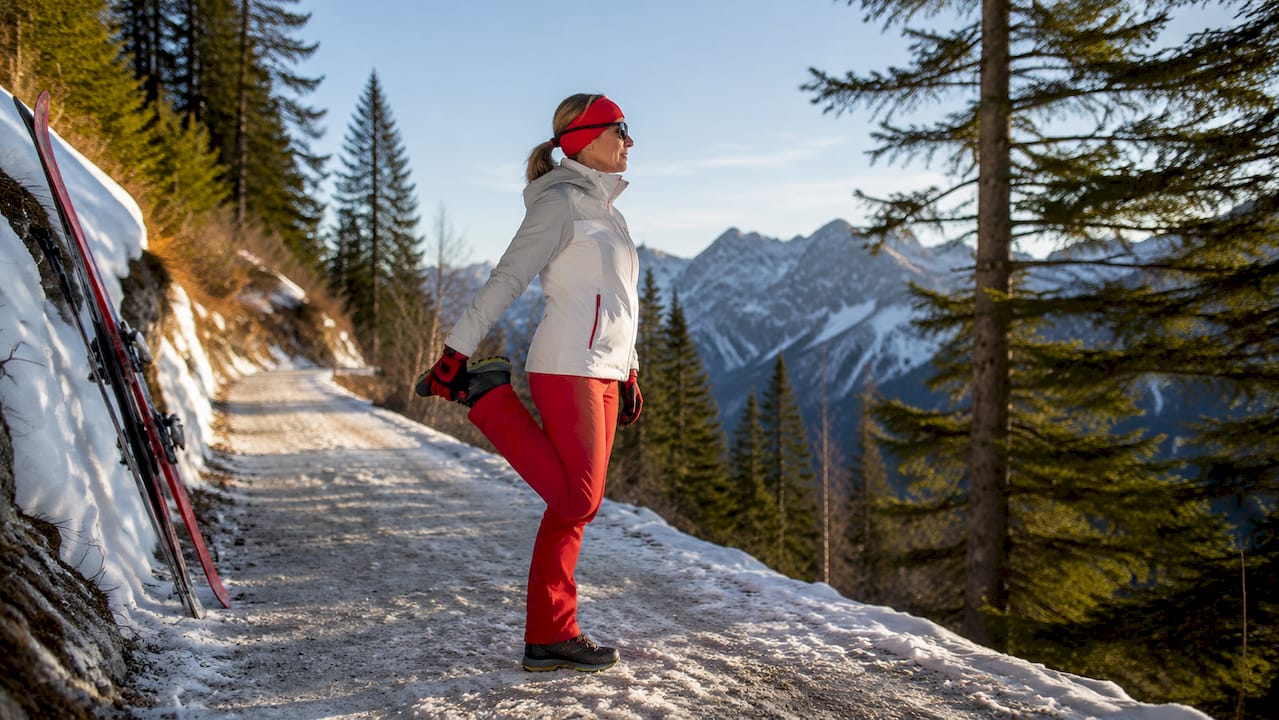
Pro Tip: Add single-leg squats and lateral band walks to your training program. These two movements directly replicate the lateral loading your knees experience on every turn.
2. choose terrain that matches your skill level
Most serious ski injuries occur from high-speed collisions or terrain that exceeds a skier’s ability level. Beginners have the highest injury rates because they misjudge both speed and slope difficulty. Sticking to green and blue runs until your technique is solid is not a limitation. It is the correct decision.
Resort trail ratings exist for a reason. A black diamond run at one resort may be significantly steeper than a black diamond at another. Ask a ski patrol officer or instructor to confirm whether a trail suits your current ability before dropping in.
3. get your bindings professionally adjusted every season
Binding adjustment is the most technically critical step in ski gear for safety. Bindings must be inspected and adjusted by a professional every season to release correctly during falls. Bindings set too tight will not release and can cause knee injuries. Bindings set too loose will release unexpectedly and cause falls.
Ski shops use a standardized DIN setting system based on your weight, height, boot sole length, and skiing ability. Do not adjust this yourself. The expertise of a certified ski technician is what makes the difference between a binding that protects you and one that injures you.
Pro Tip: Bring your boots to the shop when getting bindings adjusted. Boot sole length changes as soles wear down, and that directly affects your DIN setting.
4. wear a certified helmet every run
Wearing a ski helmet substantially reduces the risk of severe head injury in skiing accidents. This applies to every skier, regardless of ability level. Head injuries from falls and collisions are among the most serious outcomes on the mountain, and a certified helmet is the most direct protection available.
Look for helmets certified to ASTM F2040 or CE EN 1077 standards. These certifications confirm the helmet has passed impact testing specific to snow sports. Fit matters as much as certification. A helmet that shifts during a fall provides reduced protection.
5. protect your eyes with uv-blocking goggles
Goggles must provide 100% UV protection to prevent snow blindness, which can occur even on overcast days. Snow reflects up to 80% of UV radiation, making eye exposure on the mountain significantly higher than at sea level. Snow blindness is painful, temporarily debilitating, and entirely preventable.
Choose goggles with a lens category appropriate for the light conditions you expect. Category 3 or 4 lenses work for bright sun. Category 1 or 2 lenses are better for flat light and overcast days. Many experienced skiers carry two sets of lenses and swap them based on conditions.
6. layer your clothing for warmth and protection
Proper layering with wind-resistant and water-resistant outerwear protects against cold, frostbite, and wet snow. The three-layer system is the standard approach: a moisture-wicking base layer, an insulating mid-layer, and a waterproof shell. Each layer serves a specific function, and removing one creates a gap in protection.
Gloves or mittens rated for cold and wet conditions are non-negotiable. Frostbite on fingers and toes develops faster than most skiers expect, especially when wind chill is factored in. Wool or synthetic socks designed for skiing provide better insulation than cotton, which retains moisture and accelerates heat loss.
7. check snow reports before you go
Checking local snow reports two hours before skiing and monitoring conditions throughout the day helps skiers avoid unexpected hazards. Ice patches, wind slab, and variable snow depth are conditions that change rapidly and are not always visible until you are already on them. Knowing what to expect lets you adjust your speed and route selection proactively.
Most major resorts publish daily snow reports through their websites and apps. The National Weather Service also provides mountain-specific forecasts. Treating this information as optional is a mistake that experienced skiers do not make.
8. respect resort signs and boundary ropes
Resort safety signs and closed area ropes are critical boundaries indicating real hazards, not suggestions. “Slow Skiing Area” signs mark terrain near lift mazes, beginners, and operational equipment where collisions are most likely. Closed ropes indicate areas with avalanche risk, cliff exposure, or unmarked obstacles. Crossing them puts you and rescue personnel at risk.
Ski patrol officers treat safety as a collective reflex, not a personal choice. Their guidance and posted signage reflect real-time conditions that you cannot assess from the top of a run. Follow their direction without exception.
9. recognize when fatigue is affecting your skiing
Fatigue is a major factor in late-afternoon skiing accidents because it reduces coordination and reaction time. The final run of the day carries the highest injury risk of any run you take. Your muscles are depleted, your focus has narrowed, and your response to unexpected obstacles slows significantly.
The practical rule is straightforward: stop skiing when you feel tired, not after one more run. Hydration also plays a direct role in fatigue. Altitude accelerates dehydration, and most skiers underestimate how much fluid they lose during a full day on the mountain. Drink water consistently throughout the day, and avoid alcohol until you are done skiing.
“Fatigue rather than athletic ability drives most skiing injuries. Pacing and rest are as important as any piece of gear you own.” — Sharp HealthCare
10. ski safety gear comparison: what to look for
Selecting the right gear requires comparing specific safety features, not just price points. The table below covers the three most critical gear categories for skiing accident prevention.
| Gear Item | Budget Option | Premium Option | Key Safety Feature |
|---|---|---|---|
| Helmet | ASTM F2040 certified, fixed fit | MIPS-equipped, adjustable fit system | Impact certification and secure fit |
| Bindings | Standard DIN range, shop-adjusted | Wide DIN range, multi-mode release | Professional adjustment, correct release |
| Goggles | 100% UV, single lens | 100% UV, interchangeable lens system | Full UV protection, weather adaptability |
| Outerwear | Waterproof shell, sealed seams | Insulated, breathable, articulated fit | Wind and moisture resistance |
Budget options in each category provide the core safety function. Premium options add convenience, comfort, and adaptability. The non-negotiables are helmet certification, professional binding adjustment, and 100% UV goggle protection. These three features are not optional regardless of budget.
Key takeaways
Skiing safely requires physical preparation, certified gear, and deliberate on-mountain behavior working together as a system, not as isolated steps.
| Point | Details |
|---|---|
| Train before your trip | Start fitness training 30 days out, focusing on quads, core, and balance to reduce knee injury risk. |
| Get bindings professionally set | Have a certified ski technician adjust your bindings every season to ensure correct release. |
| Wear a certified helmet and UV goggles | Use ASTM F2040 or CE EN 1077 helmets and goggles with 100% UV protection on every run. |
| Stop before fatigue sets in | The final run of the day is the highest-risk run. Rest when tired rather than pushing through. |
| Read conditions and signs | Check snow reports before skiing and treat all resort boundary ropes as hard safety limits. |
What 15 seasons on the mountain taught me about ski safety
Most skiers treat safety as a gear checklist. Buy the helmet, get the bindings checked, done. That mindset misses the most important variable: behavior under fatigue.
The skiers I have seen get hurt were not beginners who lacked skill. They were intermediate and advanced skiers who pushed past the point where their body was still performing reliably. The “one more run” mentality is genuinely dangerous, and no amount of premium equipment compensates for a skier whose reaction time has dropped by 30% after six hours on the mountain.
The other thing most articles understate is the value of local knowledge. Ski patrol officers and mountain staff know exactly which trails are running icy, where the sun has softened the snow into slush, and which areas have seen near-misses that day. Asking them takes 60 seconds and gives you information no app provides.
Safety on the slopes is also a shared responsibility. When you ski in control, you protect the skiers around you. When you respect posted boundaries, you reduce the risk of triggering a rescue operation that puts patrol staff in danger. The best skiers I know treat the mountain as a shared space, not a personal obstacle course.
Invest in fitness before the season. Get your gear checked by a professional. Stop when you are tired. Those three habits will do more for your safety than any single piece of equipment.
— Richard
Stay safe on every adventure with Safeboatingamerica
The same principles that keep you safe on the slopes apply directly to the water. Preparation, certified equipment, and formal safety education are the foundation of accident prevention in every outdoor sport.
Safeboatingamerica offers state-approved safety courses for boaters and personal watercraft operators nationwide, including online options you can complete from anywhere. Courses cover navigation rules, emergency procedures, and equipment requirements taught by USCG-Licensed Captains and State Certified Instructors. If you operate a Jet Ski, WaveRunner, or any other watercraft, Safeboatingamerica’s online boating courses give you the certification you need quickly and conveniently. The same commitment to safety that guides your time on the mountain belongs on the water too.
FAQ
What does it mean to ski safe?
Skiing safely means combining physical fitness, properly maintained gear, and smart on-mountain behavior to prevent injuries and accidents. It is a system, not a single action.
How early should i start training before a ski trip?
Begin training at least 30 days before your trip with exercises targeting quads, core, and balance. This timeline gives your muscles enough time to adapt and reduces knee injury risk significantly.
Do i really need a helmet for skiing?
Yes. Helmet use is critical for head injury prevention in skiing accidents. Look for helmets certified to ASTM F2040 or CE EN 1077 standards and confirm the fit is secure before every run.
When is the most dangerous time to ski?
Late afternoon carries the highest injury risk due to accumulated fatigue. The final run of the day is statistically the most dangerous because coordination and reaction time decline significantly after hours of physical exertion.
Are resort boundary ropes optional?
No. Boundary ropes and closed area signs mark real hazards including avalanche zones, cliff exposure, and unmarked obstacles. Crossing them is dangerous for you and for the ski patrol personnel who would need to respond.