Fish for Walleye: Season-Based Tactics That Work
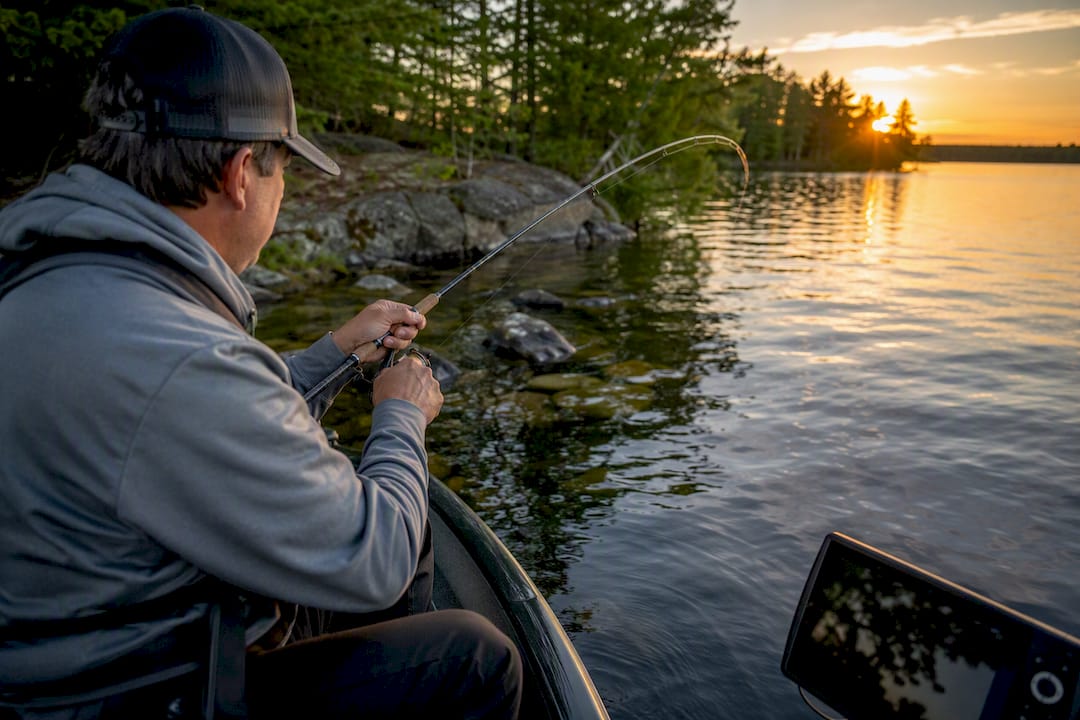
Jigging, live-bait rigs, trolling, and slip-bobbering catch most walleye once you control depth correctly, and depth control matters more than lure color or brand. Start with a jig-and-minnow in spring shallows, a Lindy rig on summer structure, or a slip-bobber at dusk, and adjust from there.
- Bait first: minnows in cold water, leeches, and nightcrawlers as it warms.
- Presentation second: vertical jig on structure, drift a rig over flats.
- Timing third: fish dawn, dusk, or overcast “walleye chop” days.
Key Takeaways
Catching walleye consistently depends on matching bait and presentation to water temperature and holding depth for the season, then controlling depth precisely with the right gear and sonar reading.
| Point | Details |
|---|---|
| Match depth to season | Fish 4 to 12 feet in spring, 18 to 25+ feet in summer, and 8 to 12 feet in fall. |
| Fish low-light windows | Target dawn, dusk, overcast skies, and wind-driven walleye chop for the most active feeding. |
| Master four core presentations | Jigging, Lindy rigs, trolling, and slip-bobbering cover nearly every walleye situation. |
| Use sonar to read reactions | Forward-facing sonar shows how fish respond to your jig’s fall and speed, not just where they sit. |
| Get certified before you launch | Safe Boating America offers state-approved courses so anglers can prep boats and electronics safely before fishing trips. |
Table of Contents
- When and Where to Fish for Walleye by Season
- What Gear Do You Need for Walleye Fishing?
- How Do You Fish the Core Walleye Techniques?
- How Do You Locate Walleye With Sonar?
- Rig Recipes You Can Tie in Minutes
- Pre-Trip Safety Checklist for Boating Anglers
- Fixing Short Strikes, No-Bite Days, and Snagging
- Safety Tips and Conservation Practices When Walleye Fishing
- Sources
- FAQ
When and Where to Fish for Walleye by Season
Walleye location shifts predictably as water temperature climbs and falls through the year, and matching your spot to the season solves half the puzzle before you tie on a hook.
In spring, walleye push into shallow spawning flats and feeding areas, often just 4 to 12 feet deep, and stay there through the early post spawn period. Summer sends them out to deeper structure. Main lake humps, saddles, and basins at moderate to deep depths hold fish, with plenty suspended over deep water rather than glued to the bottom, according to Game & Fish’s sonar reporting. Fall reverses the pattern as cooling water pushes walleye back onto points, weedlines, and shallow edges at relatively shallow depths.
Time of day matters as much as depth. Walleye have a light-sensitive tapetum lucidum behind the retina, which is why they feed hardest at dawn, dusk, and during overcast, wind-driven conditions anglers call “walleye chop.” A stained lake after a stiff wind can trigger a shallow feeding binge in the middle of the afternoon.
- Spring: 4 to 12 feet, shallow flats and current areas.
- Summer: 18 to 25+ feet, main lake structure and suspended fish.
- Fall: 8 to 12 feet, points and weed edges.
Post ice out fishing, generally May and June depending on your region, tends to produce the most consistent shallow-water action before fish scatter deeper for summer, per the Minnesota DNR.
What Gear Do You Need for Walleye Fishing?
A medium light to medium power spinning rod, roughly 6’6" to 7’2" with a fast action tip, covers jigging, rigging, and finesse work in one stick. Reserve a medium to medium heavy rod for crankbaits and heavier trolling weights.
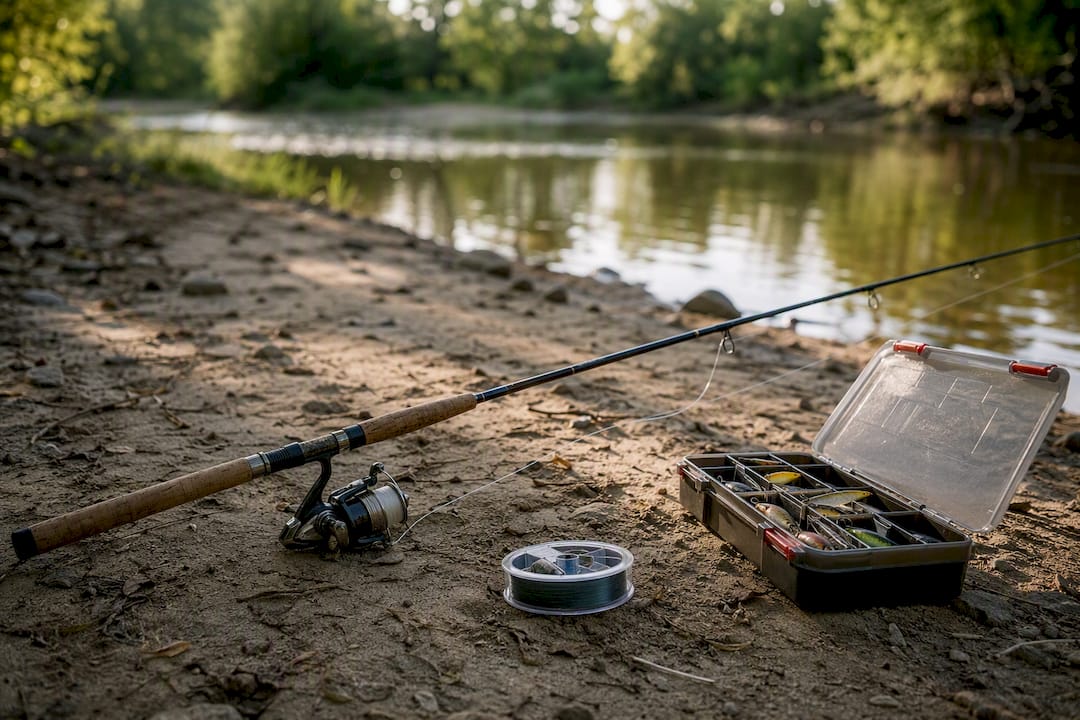
Pair either with a 2000 to 3000 size spinning reel. Ten pound braid with a fluorocarbon leader testing 6 to 12 pounds gives you sensitivity for light bites plus enough abrasion resistance near rock and timber. Jig weights run from 1/8 ounce in shallow water up to 3/8 ounce or heavier once you’re fishing 20 feet or more, since you need enough weight to feel bottom and hold a near vertical line.
Before you leave the dock, run through a short checklist:
- Rod and reel combo matched to your primary technique.
- Assorted jig heads (1/8 to 3/8 ounce) and a few spare hooks.
- Insulated live-bait container with an aerator or ice pack.
- Charged battery for your fish finder or forward-facing sonar unit.
How Do You Fish the Core Walleye Techniques?
Four presentations account for the overwhelming majority of walleye landed each year, and knowing when to switch between them separates a slow day from a limit.
- Jigging. Drop a jig tipped with a minnow, leech, or soft plastic straight to bottom and lift it 6 to 12 inches with a snap of the wrist, then let it fall on a controlled line. In cold water, slow the cadence to a near dead stick; as water warms, add speed and hop the jig farther off bottom. Set the hook on a firm sweep, not a jerk, the instant you feel weight.
- Lindy and slip-sinker rigs. These live-bait rigs let a walleye pick up bait and swim off before feeling resistance. Drift or troll at 0.5 to 1 mph, and when you feel a tap, drop the rod tip and feed line for three to five seconds before setting the hook.
- Trolling. Deep-diving minnow plugs, leadcore line, or planer boards let you cover water fast, particularly across summer basins and fall points. Target roughly 1.0 mph and experiment upward in warmer water, since walleye chase faster in higher temperatures.
- Slip-bobber (corking). Set your bobber stop to hold bait just above bottom or at the depth marks show fish, then let the current or wind work the rig naturally. This shines at night and in skinny water where a boat’s presence spooks fish.
Switch tactics when bites go soft, sonar shows fish ignoring your presentation, or light and temperature change fast. A cold front that shuts down jig bites often still produces on a slow-trolled crawler harness.
Pro Tip: When a walleye taps a live-bait rig and you feel nothing on the follow-up, resist the urge to reel in and recast. Walleye frequently mouth bait, drop it, then return within 10 to 15 seconds. Hold your position and stay ready.
How Do You Locate Walleye With Sonar?
Structure draws walleye the way a porch light draws moths. Look for humps, saddles between two deep spots, sharp drop-offs, points extending off shore, flooded timber, river channels, and weed edges that border deep water.
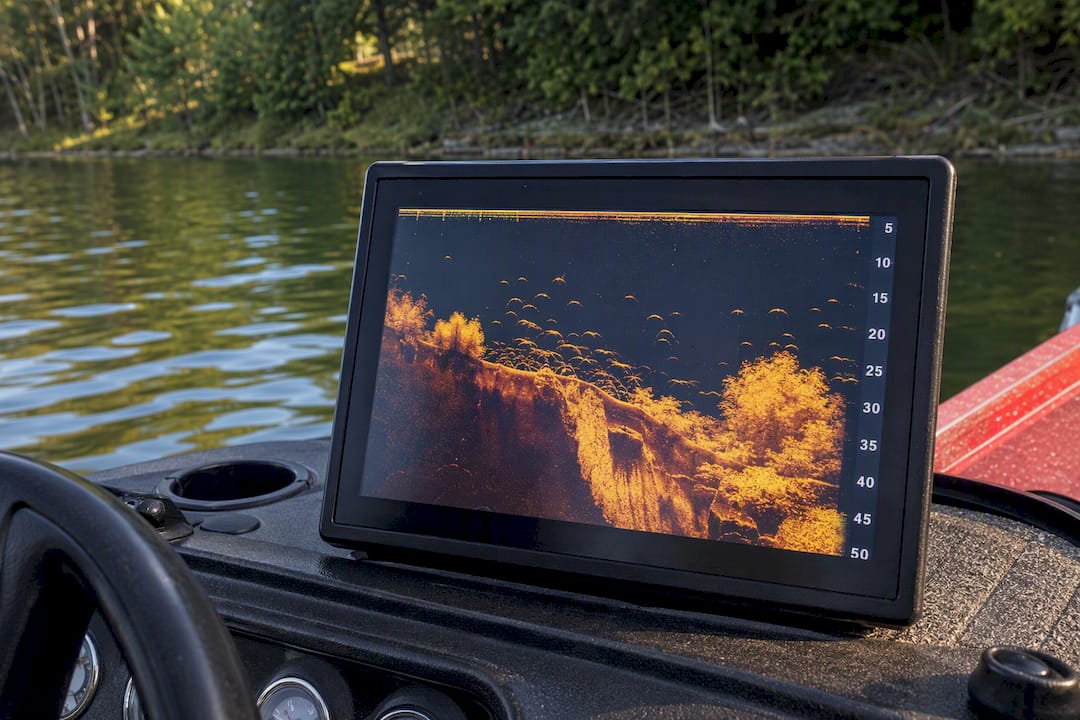
A basic sonar screen shows fish as arches or marks, bait as a cloud or ball, and bottom hardness as line thickness. Depth control usually beats lure color once you’ve found active fish, according to Outdoor Life’s tactical guide.
Forward-facing sonar changed the game by showing suspended fish in real time and revealing how they react to a lure’s fall, pause, or retrieve. Game & Fish’s reporting on sonar tactics notes anglers can now place a jig directly in front of an individual fish rather than blind casting a likely area. Keep your boat well off the target and approach at an angle to avoid spooking fish holding shallow.
- Mark waypoints on humps and saddles as you idle over new water.
- Watch for bait balls near thermoclines in summer.
- Keep boat noise and shadow away from shallow targets.
Pro Tip: Watch how a marked fish reacts to your jig’s fall on forward-facing sonar. If it turns away, slow your drop; if it charges, speed it up. That reaction tells you more than any color chart.
Rig Recipes You Can Tie in Minutes
Lindy rig: Thread a 1/4 to 1/2 ounce walking sinker onto your main line, tie on a barrel swivel, then attach a 3 to 6 foot fluorocarbon leader to a size 4 to 6 octopus hook. Hook a minnow through the lips for slow drifts or through the tail for a more natural swim.
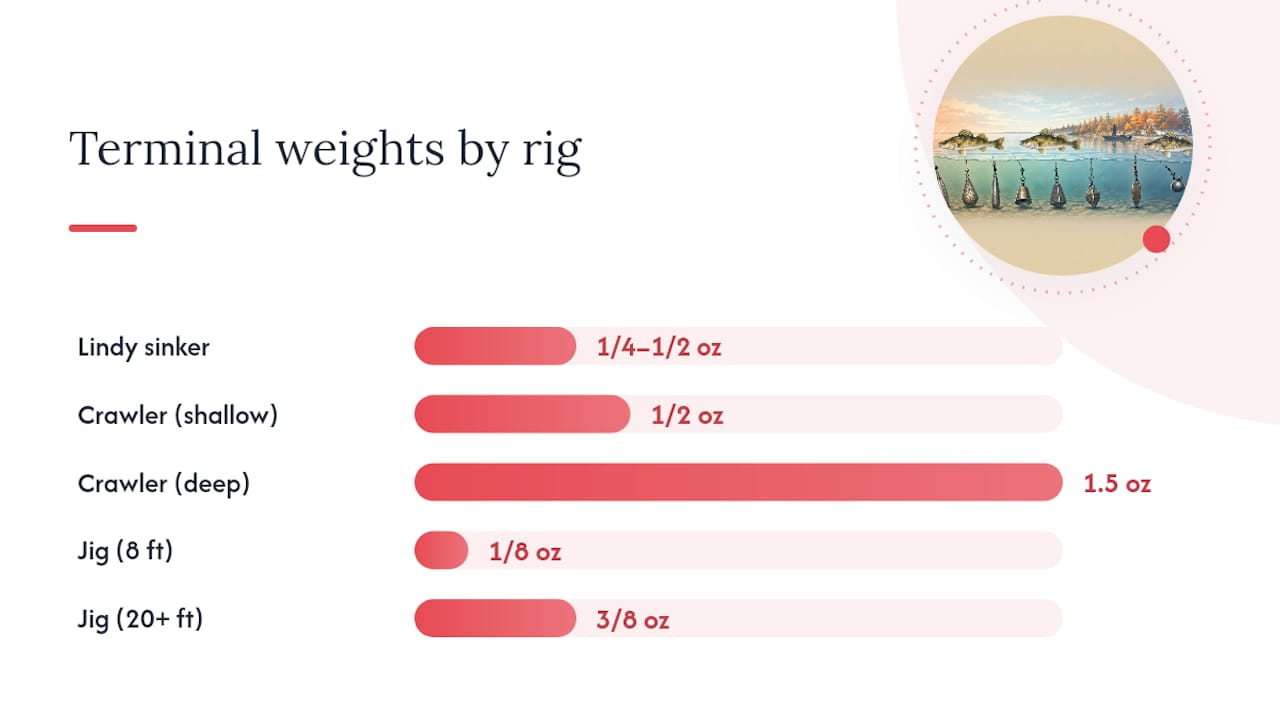
Crawler harness: Run two or three blades ahead of a pair of hooks pre-tied to a leader, choosing willow blades in clear water and Colorado blades for extra thump in stained water. Match your weight to depth: 1/2 ounce shallow, up to 1.5 ounces past 20 feet.
Jig rig: Pick a round or stand-up jig head sized to depth, from 1/8 ounce in 8 feet of water to 3/8 ounce past 20 feet, and tip it with a minnow, plastic paddle tail, or curly tail grub.
Slip-bobber rig: Slide a bobber stop up your line to the target depth, add a bead, thread on the float, then finish with a small split shot and a size 6 to 8 hook. Bait with a leech or lively minnow and let it hang just off bottom.
- Tie your terminal rig first, then set weight or bobber depth last.
- Test the rig’s fall speed boatside before dropping it to fish.
- Adjust leader length shorter in stained water, longer in clear water.
Pre-Trip Safety Checklist for Boating Anglers
Getting to good walleye water usually means running a boat before you make a cast, so gear checks matter as much as tackle checks.
- Life jackets for every passenger, plus a working kill switch.
- Charged marine battery for navigation lights and your sonar unit.
- Full fuel tank, a first-aid kit, and a check of local boating regulations before launch.
- Weather and wind check: a light chop helps walleye feeding but a building storm doesn’t.
A short Safe Boating America certification course covers exactly this kind of preparedness, from battery management to emergency procedures, before you’re miles from the launch.
Fixing Short Strikes, No-Bite Days, and Snagging
Short strikes usually trace back to leader length or cadence. Shorten your leader on a live-bait rig, slow your jig stroke, and when you feel a tap, drop the rod tip and wait a beat before setting rather than swinging immediately.
On a no-bite day, work through changes methodically instead of leaving the spot. Try a different depth band, swap a jig for a slow-trolled crawler harness, vary your retrieve speed, or move to a wind-blown point where walleye chop stirs up the shallows, a pattern rooted in walleye’s light-sensitive vision.
Constant snagging usually means your weight is too heavy for the drift speed or your line angle is too steep. Lighten your sinker, slow the boat, or reposition to fish structure at an angle rather than straight over it.
- Shorten leaders and slow cadence when strikes feel short.
- Rotate depth, bait type, and retrieve speed on slow days.
- Drop sinker weight or change line angle to stop snagging on structure.
Pro Tip: Fish brought up fast from beyond 30 feet can suffer barotrauma, a pressure injury that’s often fatal if the fish is released without venting. Handle deep-caught fish quickly and only release ones likely to survive.
Safety Tips and Conservation Practices When Walleye Fishing
Responsible walleye fishing protects both you and the fishery you’ll want to fish again next season. Wear a life jacket any time you’re moving on open water, especially early spring and late fall when cold-water immersion turns a simple fall overboard into a real emergency.
Conservation starts with handling. Wet your hands before touching a walleye to protect its slime coat, use needle-nose pliers for quick hook removal, and keep fish in the water as much as possible if you plan to release them. Fish pulled up from deep summer basins face real barotrauma risk, and experts generally advise against releasing fish caught below roughly 30 feet unless you use proper venting or a recompression device.
Check your state’s size and bag limits before every trip since they vary by lake and change year to year, and follow local slot limits designed to protect breeding-age fish. Barbless hooks make release faster and reduce injury on fish you’re returning to the water. Keep only what you’ll eat, and consider releasing larger breeding females, which produce disproportionately more eggs than smaller fish.
Finally, clean your boat and gear between lakes to slow the spread of invasive species like zebra mussels, a step regulators in nearly every walleye state now require.
Why Fewer Presentations, Mastered Well, Beat a Boat Full of Gear
I’d rather carry four rigs I can tie blindfolded and read a sonar screen well than haul three tackle boxes of gear I barely understand. Before your next trip, practice depth control and rig assembly on dry land so the water only tests your reading of the fish.
Pair Your Fishing Skills With Boating Confidence
Every tip in this guide assumes you can get to the spot safely, which means working electronics with a charged battery, running navigation lights at dawn, and knowing emergency procedures if weather turns while you’re chasing a wind-blown point.
Safe Boating America is the practical next step for anglers who spend as much time behind the wheel as behind the rod. A state-approved boating safety certification course takes a few hours, not a weekend, and covers the exact preparedness skills this guide touches on: battery management, navigation rules, and what to do if conditions change fast on the water. Courses run online, live via Zoom, or in person, so you can get certified around your fishing schedule instead of building your schedule around a classroom. If you’re new to boating and heading out to reach summer basins or fall points, start your certification course before your next trip.
Sources
- How to catch a walleye | Minnesota DNR
- Fishing for walleye | NY DEC tips & skills
- How to Catch More Walleye in Summer with Sonar - Game & Fish
- Walleye fishing tactics (traditional) | Outdoor Life
FAQ
What Is the Best Bait for Walleye?
Minnows work best in cold water below 50°F, while leeches and nightcrawlers become more effective as the water warms through spring and summer.
What Is the Best Way to Fish for Walleye?
Jigging, live-bait rigs like the Lindy, trolling, and slip-bobbering are the four most reliable techniques, and success usually comes down to matching depth and cadence to conditions rather than picking one “best” method.
How Far Off the Bottom Should You Fish for Walleye?
Most walleye hold within a few feet of bottom or a defined suspension depth shown on sonar, so keep your bait within 1 to 2 feet of that mark rather than fishing blind at a fixed depth.
What Time of Day Is Best to Fish for Walleye?
Dawn, dusk, overcast days, and windy conditions that create “walleye chop” produce the most consistent bites because walleye are light-sensitive feeders.
Do I Need a Boat License to Fish for Walleye?
Requirements vary by state, but many states require some form of boating safety certification to legally operate a boat or personal watercraft, and a course through Safe Boating America satisfies most state requirements.