
Indiana Waterfowl Season 2026: Zones, Dates, and Rules
Indiana waterfowl season is organized into three geographic zones, North, Central, and South, each with distinct open and close dates designed to follow migratory patterns along the Mississippi Flyway. Hunters must carry a valid Indiana hunting license, a state waterfowl stamp, a federal duck stamp, and a Harvest Information Program (HIP) validation before stepping into the field. Daily bag limits vary by species and zone, and the 2026–2027 season includes revised South Zone dates to accommodate family and youth hunts over holiday breaks. Getting these details right before opening day separates a productive season from a costly citation.
What are the official Indiana waterfowl season dates and zones?
Indiana’s three-zone waterfowl system mirrors migratory waterfowl patterns on the Mississippi Flyway. Skilled hunters who understand zone timing can extend their season significantly by moving between zones as birds push south.
The 2026–2027 season dates break down as follows:
| Zone | Split 1 | Split 2 |
|---|---|---|
| North Zone | Oct 24 – Dec 13 | Dec 19 – Dec 27 |
| Central Zone | Oct 31 – Nov 8 | Nov 21 – Jan 10 |
| South Zone | Nov 7 – Nov 8 | Nov 28 – Jan 24 |
The North Zone opens earliest, in late october, because migrating ducks and geese arrive there first. The Central Zone follows about a week later. The South Zone runs the longest total days but starts later, catching birds that have pushed further south by late november.
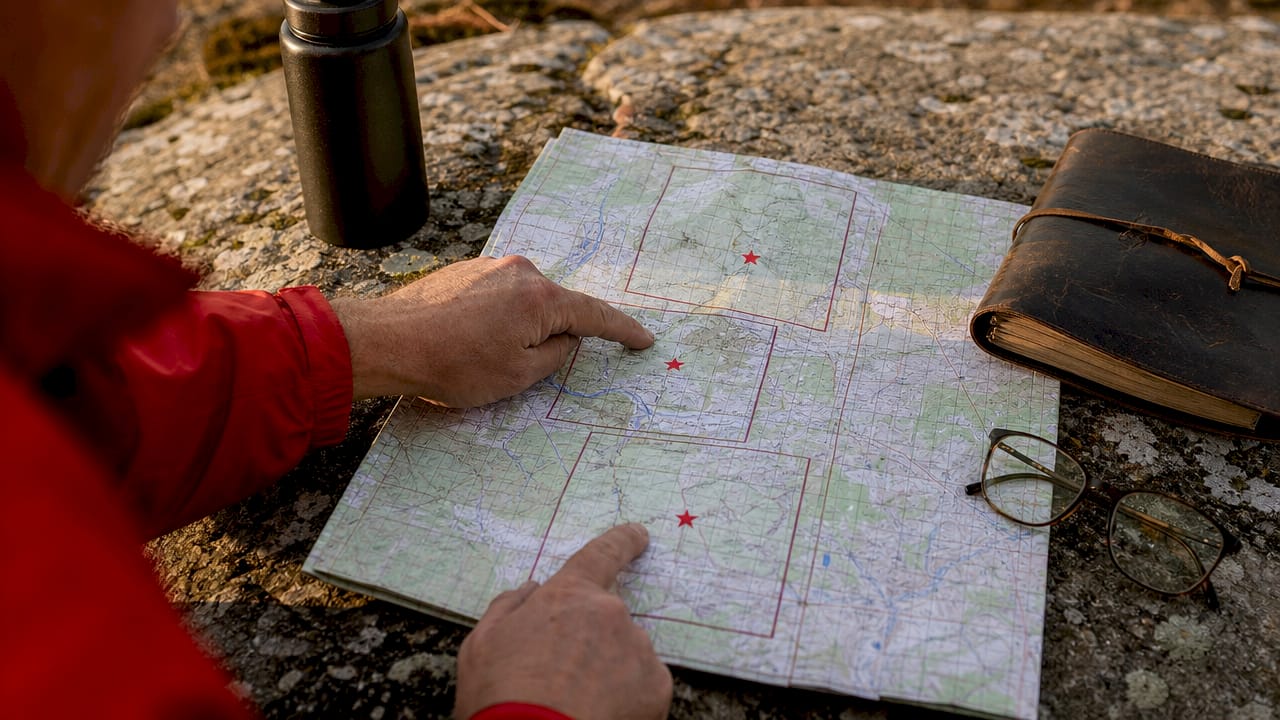
The South Zone schedule was revised for 2026–2030 to give families and youth hunters access over holiday breaks. The new structure runs 23 days starting mid-november, pauses 12 days, then restarts mid-december for 37 additional days. That pause is intentional. It creates a window for holiday travel and youth participation before the longer second split.
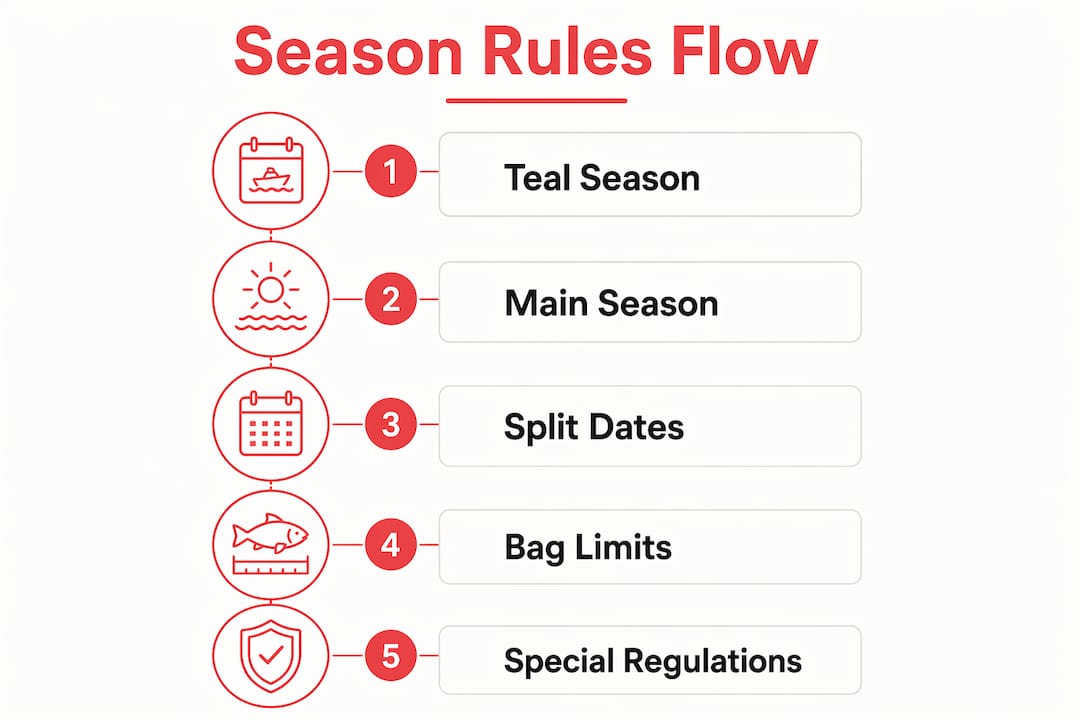
An early teal season also runs ahead of the main duck season, typically in september. Teal season hours run sunrise to sunset, unlike the main season which opens 30 minutes before sunrise. That distinction catches many hunters off guard.
Pro Tip: If you hunt the North Zone early in the season and then shift to the South Zone in december, you can legally extend your total hunting days well beyond what any single zone offers.
What licenses, stamps, and registrations are required?
Indiana’s layered licensing system creates the most common administrative problem for waterfowl hunters. Many hunters carry some credentials but miss one, and that single gap results in a citation.
Every hunter needs all four of the following before hunting migratory birds:
- Indiana hunting license. Required for all hunters regardless of age or residency status.
- State waterfowl stamp ($11). Required for hunters 18 and older. Youth hunters 17 and under are exempt from this stamp.
- Federal duck stamp. Required for all hunters 16 years and older. Purchase it at any post office or USDA-licensed vendor.
- HIP validation. The Harvest Information Program registration is mandatory for anyone hunting migratory birds. Failing to register can result in penalties and nullify hunting privileges entirely.
Youth hunters under 18 still need an Indiana hunting license and HIP validation even when exempt from the waterfowl stamp. The federal duck stamp requirement kicks in at age 16, so a 16 or 17-year-old needs both the license and the federal stamp, but not the state stamp.
For a broader look at how permit systems work across states, the 2026 Montana outdoor permit guide from Safeboatingamerica offers useful context on layered licensing structures.
Pro Tip: Complete your HIP registration online at the Indiana DNR website before you leave home. The process takes under five minutes and eliminates the most common reason hunters get cited in the field.
What are the daily bag limits and species regulations?
Bag limits in Indiana are set by the U.S. Fish and Wildlife Service in coordination with the Indiana DNR. They vary by species and, for some birds like scaup, change within the season itself.
The daily limits for the 2026–2027 season are:
- Ducks: 6 per day
- Coots: 15 per day
- Mergansers: 5 per day (no more than 2 hooded mergansers)
- Canada geese and brant: 5 aggregate per day
- White-fronted geese: 2 per day
- Light geese (snow, blue, Ross’s): 20 per day with no possession limit
Scaup limits shift during the season. The early season scaup limit is 1 bird per day. That limit increases to 2 birds per day as the season progresses. Hunters who do not track this change risk an accidental violation.
Light geese carry the most permissive rules. The 20-bird daily limit with no possession cap reflects conservation order provisions designed to reduce overabundant snow goose populations. That unlimited possession rule is a rare exception in waterfowl regulations and applies only to light geese.
Indiana sits on the Mississippi Flyway, which brings a wide variety of species through the state. That diversity is an asset, but it also demands strong species identification skills. Misidentifying a canvasback as a redhead, or confusing a lesser scaup with a greater scaup, can push you over a protected species limit without realizing it.
Where are the best locations for waterfowl hunting in Indiana?
The top public hunting areas in Indiana concentrate birds because they combine open water, food sources, and protected habitat. Knowing which areas peak at which point in the season gives you a real edge.
- Goose Pond Fish and Wildlife Area (FWA). Located in Greene County, this is Indiana’s premier waterfowl destination. Managed wetlands hold massive concentrations of ducks and geese during peak migration in october and november.
- Patoka River National Wildlife Refuge (NWR). Bottomland hardwoods and flooded fields in southwest Indiana attract diving ducks and dabbling ducks from mid-october through january.
- Kankakee FWA. In northwest Indiana, this area sits directly under the main migration corridor. Early season teal hunting here is exceptional.
- Monroe Lake. Indiana’s largest inland lake draws diving ducks, particularly scaup, canvasbacks, and ring-necked ducks, from late october onward.
- Wabash River corridor. The river’s oxbows and backwater sloughs hold wood ducks and mallards throughout the season.
Scouting before opening day matters more than gear selection. Birds shift locations based on water levels, food availability, and hunting pressure. A spot that held 500 mallards in october may be empty by december if food runs out.
Blind placement and decoy spreads should match the habitat. In flooded timber, a small spread of 6–12 decoys outperforms a large open-water spread. On big water like Monroe Lake, a spread of 30 or more diving duck decoys draws birds from a distance.
What special youth and veteran hunting opportunities does Indiana offer?
Indiana sets aside dedicated season days for youth and veteran hunters before the main season opens. These days give newer hunters a lower-pressure introduction to waterfowl hunting.
- Youth waterfowl season. Held the weekend before the main season opens in each zone. Youth hunters must be 17 or younger and must be accompanied by a licensed adult who does not hunt.
- Veteran waterfowl season. Runs on the same days as the youth season. Eligible veterans include those with a valid Indiana veteran hunting license.
- Licensing still applies. Youth hunters need an Indiana hunting license and HIP validation even on special hunt days. The state waterfowl stamp exemption for hunters 17 and under still applies.
- Adult accompaniment rules. The accompanying adult must hold a valid Indiana hunting license but may not shoot during the youth season. Their role is supervision and mentorship.
- Bag limits remain the same. Youth and veteran hunters follow the same daily bag limits as the main season. No special allowances apply to limits on these days.
These special seasons serve a practical purpose beyond access. They let youth hunters practice calling, decoy placement, and species identification before the pressure of the main season begins.
Key Takeaways
Indiana’s waterfowl season rewards hunters who understand the three-zone structure, carry all required credentials, and scout locations matched to migration timing.
| Point | Details |
|---|---|
| Three-zone system | North, Central, and South zones open on staggered dates to follow Mississippi Flyway migration. |
| Four credentials required | Hunters need a state license, $11 waterfowl stamp, federal duck stamp (age 16+), and HIP validation. |
| Species-specific limits | Duck limits are 6 daily; scaup limits shift mid-season from 1 to 2 birds per day. |
| Top public areas | Goose Pond FWA, Patoka River NWR, and Monroe Lake offer the highest bird concentrations. |
| Youth and veteran access | Dedicated pre-season days require adult accompaniment and standard licensing, but no waterfowl stamp for hunters 17 and under. |
What I’ve learned from watching hunters navigate Indiana’s season
The three-zone system is genuinely clever, and most hunters underuse it. I’ve watched hunters plan their entire season around one zone, then complain that birds dried up by mid-november. The zone structure exists precisely because migration is not static. Birds that filled Goose Pond in october are pushing into the South Zone by december. Hunters who follow the birds instead of staying loyal to one spot consistently outperform those who don’t.
The licensing layer is where I see the most preventable problems. HIP registration gets skipped more than any other requirement, usually because hunters assume it’s bundled with their license purchase. It is not. It’s a separate, free registration that takes minutes, and skipping it can void your entire hunt legally.
Species identification is the skill that separates good waterfowl hunters from great ones. Indiana’s position on the Mississippi Flyway means you will encounter species you don’t see every season. Scaup identification alone trips up experienced hunters. Carry a field guide, study drake and hen plumage before the season, and when in doubt, pass on the shot.
Regulatory changes happen every year. The South Zone revision for 2026–2030 is a good example. Hunters who relied on prior-year dates without checking the current season guide hunted out of season. Check the Indiana DNR website every fall before you go out.
— Richard
Boating safety and Indiana outdoor certification
Many of Indiana’s best waterfowl spots sit on or near navigable waterways. Accessing Patoka River NWR, Monroe Lake, or the Wabash River by boat puts you in position for shots that shore-bound hunters simply cannot reach.
Safeboatingamerica offers state-approved boating safety certification courses for Indiana hunters who access waterfowl areas by boat or personal watercraft. Courses cover navigation rules, emergency procedures, and legal equipment requirements. The Indiana PWC certification course is available online and can be completed before the season opens. Legal, safe boat operation is as much a part of a responsible hunting season as proper licensing.
FAQ
When does Indiana waterfowl season open in 2026?
The North Zone opens october 24, the Central Zone opens october 31, and the South Zone opens november 7 for the 2026–2027 season. Each zone has two splits with a short break between them.
What licenses do I need for Indiana duck season?
You need an Indiana hunting license, a state waterfowl stamp ($11 for hunters 18 and older), a federal duck stamp (age 16 and older), and a free HIP validation. All four are required before hunting migratory birds.
What is the daily duck limit in Indiana?
The daily bag limit for ducks is 6 birds. Scaup limits start at 1 per day early in the season and increase to 2 per day later, so hunters must track current regulations throughout the season.
Where is the best waterfowl hunting in Indiana?
Goose Pond FWA in Greene County, Patoka River NWR in southwest Indiana, and Monroe Lake are the top public areas. Each peaks at different points in the season based on migration timing and water conditions.
Do youth hunters need a license for Indiana waterfowl season?
Yes. Youth hunters need an Indiana hunting license and HIP validation even on dedicated youth hunt days. Hunters 17 and under are exempt from the state waterfowl stamp, but the federal duck stamp is required starting at age 16.