
Boat Captain License: Requirements and How to Get One
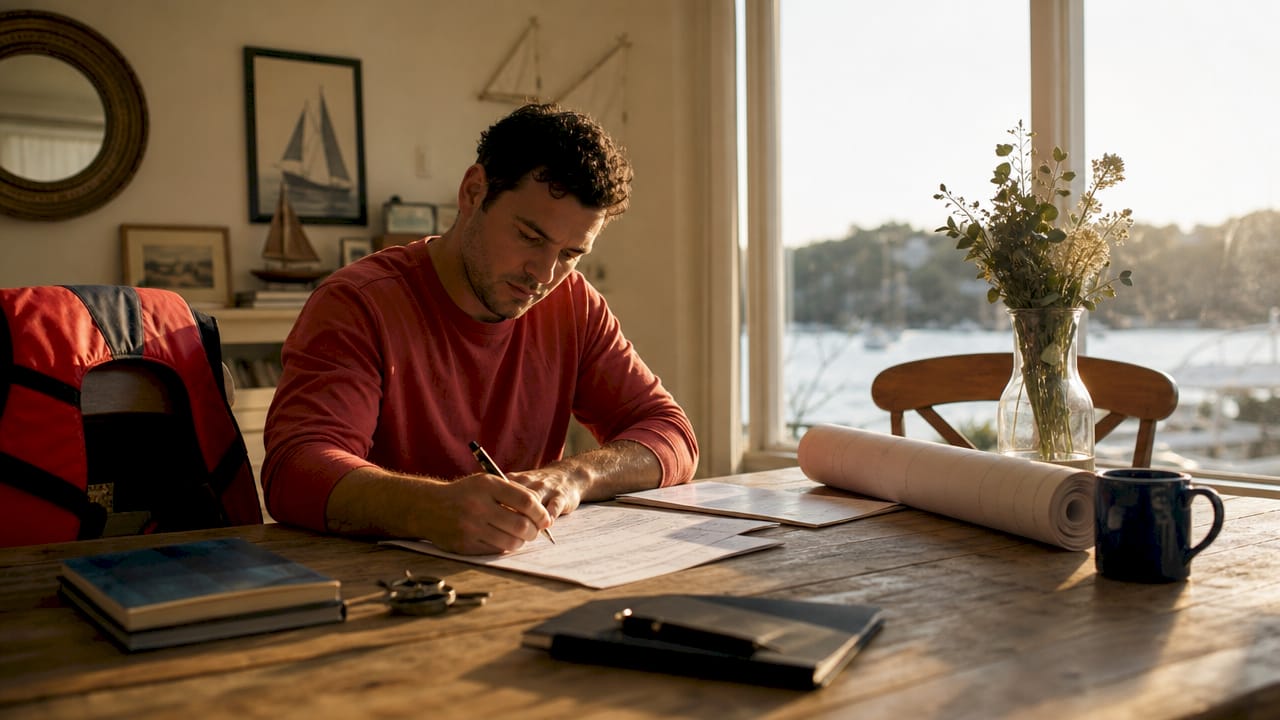
A boat captain license is a federal commercial credential issued by the U.S. Coast Guard (USCG) that authorizes you to operate vessels for hire and carry paying passengers. The industry term is Merchant Mariner Credential (MMC), though most people use “captain’s license” or “vessel operator license” interchangeably. Two primary license types exist: the OUPV (Operator of Uninspected Passenger Vessels), widely called the Six-Pack license, and the Master 100-Ton license. Each carries different passenger limits, sea service requirements, and career implications. Understanding which credential fits your goals before you start the process saves months of wasted effort.
What are the eligibility requirements for a boat captain license?
The USCG sets clear baseline standards every applicant must meet before submitting a credential application. Missing even one requirement causes delays at the National Maritime Center, which processes all MMC applications.
The core eligibility criteria are:
- Age: Minimum 19 years old for an OUPV license
- Citizenship: U.S. citizen or lawful permanent resident
- Sea service: 360 documented sea days, with at least 90 of those days within the past 3 years
- Physical exam: USCG medical evaluation covering vision, hearing, cardiovascular health, and general fitness under the Merchant Mariner Medical Manual
- Drug test: DOT-compliant 5-panel drug test; commercial operators must also enroll in a random drug screening consortium under 46 CFR Part 16
- First aid and CPR: Current certifications required at time of application
- TWIC card: Transportation Worker Identification Credential, required for all first-time applicants
The TWIC card costs $125.25 for a five-year period and involves federal fingerprinting and a background check administered by the TSA. Apply for your TWIC card early. Processing takes several weeks, and your full application cannot be submitted without it.
Pro Tip: Schedule your physical exam and drug test at the same appointment when possible. Many USCG-approved physicians offer both services together, cutting down on scheduling delays.
Many applicants confuse a state recreational boating safety certificate with a professional captain’s license. A recreational certificate satisfies state law for personal boat operation. A captain’s license is a federal commercial credential and a separate process entirely.
How do you accumulate and document sea time correctly?
Sea time documentation is the single biggest bottleneck in the licensing process. The USCG defines a qualifying “day” of sea service as at least 4 hours underway within a 24-hour period. Misunderstanding this definition is the most common reason applications get delayed or rejected at the National Maritime Center.
Follow these steps to document sea time accurately:
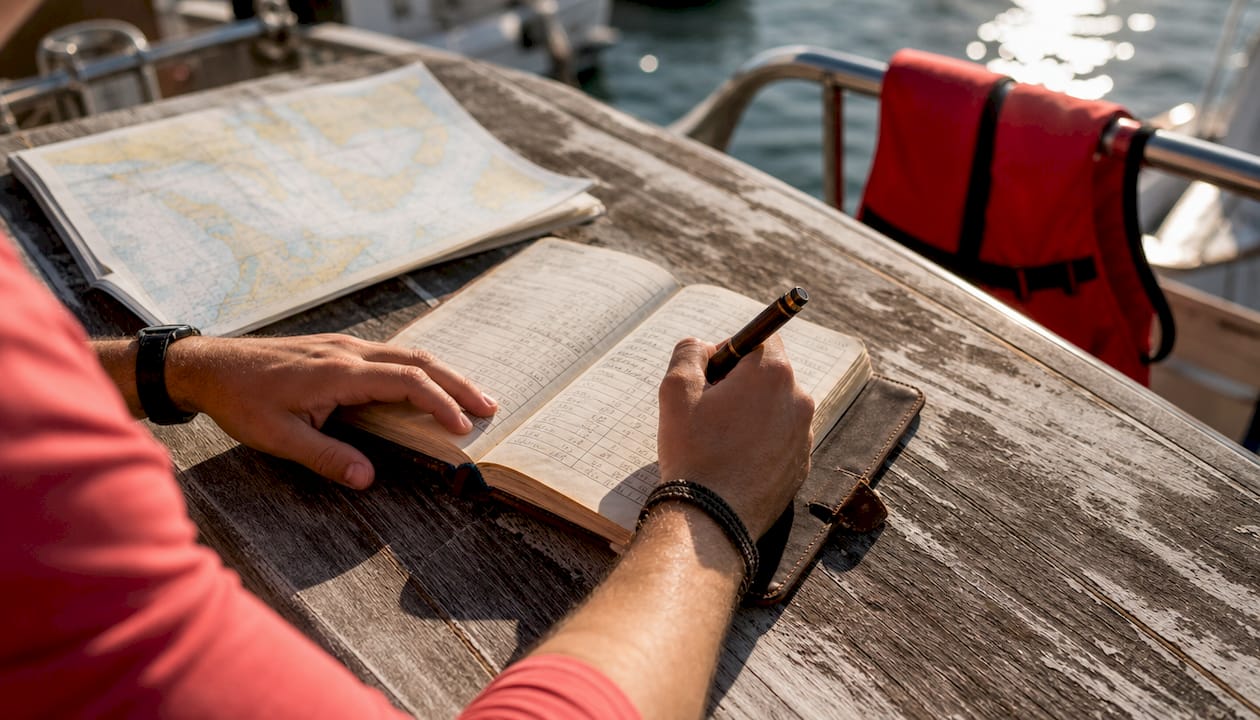
- Log every outing immediately. Record the date, vessel name, hull identification number, waters navigated, and hours underway. Do not reconstruct logs from memory months later.
- Use the CG-719S form. This is the official USCG sea service form. Employers or vessel owners sign it. If you own your vessel, you can self-certify by signing the form yourself and attaching proof of ownership such as a registration or documentation number.
- Distinguish inland from near-coastal time. For a Master Near Coastal license, 720 total sea days are required, with at least 360 on near-coastal or ocean waters. Inland water time cannot substitute for open water requirements.
- Track vessel type and route. The USCG cross-references vessel documentation numbers. Inconsistencies between your log and federal vessel records trigger review requests.
- Keep physical and digital copies. Store signed CG-719S forms in a dedicated folder. Losing documentation after years of logging is a preventable setback.
The OUPV license requires 360 total sea days versus 720 for the Master Near Coastal credential. That difference represents roughly two additional years of active boating for most applicants. Plan your license type selection before you start accumulating time, not after.
Pro Tip: If you charter fishing trips or work on a friend’s commercial vessel, ask the owner to sign your CG-719S forms after each trip. Collecting signatures in real time is far easier than tracking down vessel owners years later.
What training courses and exams must you complete?
Completing a USCG-approved training course is mandatory for all captain’s license applicants. The course covers navigation rules, chart reading, weather interpretation, vessel safety, and federal regulations. You cannot substitute self-study for an approved course when submitting your application.
Key facts about the training and exam process:
- Format options: Courses are available online, in-person, and via live virtual instruction. Safeboatingamerica offers USCG-compliant boating education programs taught by USCG-Licensed Captains using NASBLA-approved materials.
- Pass rates: USCG-approved OUPV courses carry a pass rate of approximately 98.7%, making the exam accessible for well-prepared applicants.
- Exam format: The USCG written exam is administered at a Regional Exam Center (REC). It covers rules of the road, navigation, and safety. Passing requires a score of 70% or higher on each module.
- Course completion certificate: Submit your course completion certificate with your full application package. Missing this document delays processing.
- Career alignment: Choose a course that matches your intended license type. An OUPV course does not prepare you for the Master 100-Ton exam, which covers additional topics including stability and cargo.
Selecting a course aligned with your career goals on the water matters more than choosing the fastest or cheapest option. A course that prepares you for the Master credential from the start saves you from repeating the exam process later.
What fees, steps, and timelines should you expect?
The USCG charges a $100 application evaluation fee and a $45 issuance fee. Those are the only federal fees. The total out-of-pocket cost, including training courses, physical exams, drug testing, and the TWIC card, typically reaches several thousand dollars. Budget accordingly before you begin.
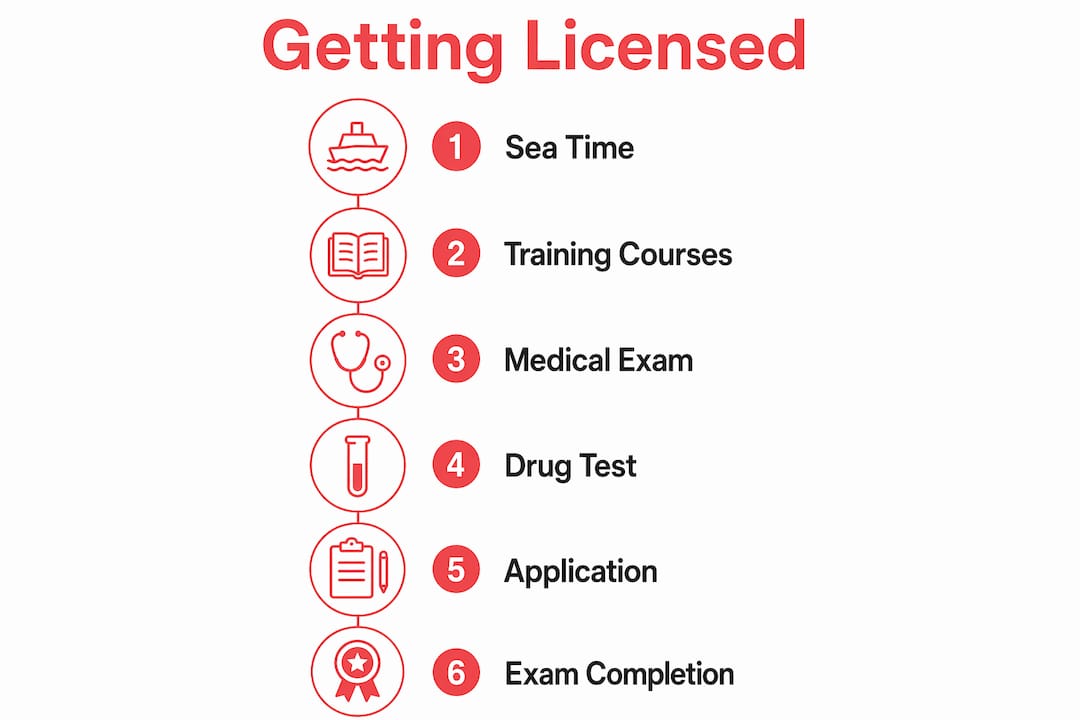
Application steps
- Accumulate and document qualifying sea time on CG-719S forms
- Complete a USCG-approved training course and obtain your completion certificate
- Pass the USCG written exam at a Regional Exam Center
- Complete your physical exam and drug test with a USCG-approved physician
- Obtain your TWIC card from TSA
- Submit your full application package to the National Maritime Center
Cost and timeline overview
| Item | Estimated Cost | Timeline |
|---|---|---|
| USCG application fees | $145 total | Paid at submission |
| TWIC card | $125.25 | 4–8 weeks to process |
| Training course | Varies by provider | 1–4 weeks |
| Physical exam and drug test | Varies | 1–2 weeks |
| Sea time accumulation | No direct cost | 1–3 years |
| Total process | Several thousand dollars | 9–18 months |
The full licensing process takes 9–18 months for most applicants. Sea time accumulation drives that timeline. The medical exam, drug test, TWIC card, and course can all be completed within 3–6 months once you have your sea days logged. Run those steps in parallel to avoid adding unnecessary time to your overall timeline.
A USCG captain’s license is valid for five years. Renewal requires proof of continued sea service and updated medical and drug test documentation.
How do the different types of licenses compare?
Choosing the right license type is a decision with long-term career consequences. The two most common credentials serve different operational needs.
The OUPV license allows you to operate uninspected vessels carrying up to 6 paying passengers. It requires 360 sea days and suits operators running fishing charters, water taxi routes, or small tour operations. The Master 100-Ton license permits carrying 7 or more passengers and operating USCG-inspected vessels. It requires 720 total sea days with significant open water time and opens doors to larger commercial operations.
Upgrading from OUPV to Master after the fact requires substantial additional sea time and documentation. If your long-term goal involves inspected vessels or larger passenger counts, pursue the Master credential from the start rather than planning to upgrade later.
Geographic endorsements add another layer. Near Coastal endorsements cover waters within 200 nautical miles of shore. Oceans endorsements extend beyond that. Inland endorsements cover rivers, lakes, and protected bays. Each endorsement requires specific sea time on those water types, so log your time on the waters where you intend to operate commercially.
Key Takeaways
A boat captain license requires documented sea time, a USCG-approved course, a medical exam, drug testing, and a complete federal application before the National Maritime Center issues your credential.
| Point | Details |
|---|---|
| Sea time is the bottleneck | Accumulate 360 days (OUPV) or 720 days (Master) with accurate CG-719S documentation. |
| A qualifying day is 4 hours | Each sea service day must include at least 4 hours underway within a 24-hour period. |
| TWIC card takes weeks | Apply for your TSA-administered TWIC card early; it costs $125.25 and takes 4–8 weeks. |
| Total timeline is 9–18 months | Sea time drives the schedule; run medical, course, and TWIC steps in parallel to save time. |
| License type shapes your career | OUPV caps at 6 passengers; Master 100-Ton unlocks inspected vessels and larger operations. |
What I’ve learned after watching applicants get this wrong
The most common mistake I see is treating sea time documentation as an afterthought. Applicants spend years on the water and then scramble to reconstruct logs from photos, bank records, and marina receipts. The National Maritime Center does not accept reconstructed logs without corroborating documentation. Start your CG-719S forms on your first qualifying trip and never stop.
The second mistake is choosing the wrong license type based on immediate needs rather than long-term goals. An OUPV gets you on the water faster, but if you plan to run a 12-passenger tour boat within five years, you will spend more time and money upgrading than you would have spent pursuing the Master credential from the start. Think two steps ahead before you commit to a sea time accumulation strategy.
Physical and drug testing requirements catch people off guard more often than they should. The USCG medical standards under the Merchant Mariner Medical Manual are stricter than a standard physical. Certain cardiovascular conditions and medications require waivers that can add months to your timeline. Get a preliminary review from a USCG-approved physician before you invest heavily in course fees and exam prep.
Finally, online courses are legitimate and effective. The 98.7% pass rate for approved OUPV courses reflects how well structured the curriculum is when taught by qualified instructors. Choose a course taught by credentialed professionals, not just a self-paced video library with no instructor access.
— Richard
Certification programs available through Safeboatingamerica
Safeboatingamerica offers USCG-compliant boating education programs taught by State Certified Instructors and USCG-Licensed Captains across the United States. Courses are available online, via live Zoom instruction, and in person, covering navigation rules, vessel safety, emergency procedures, and federal boating law.
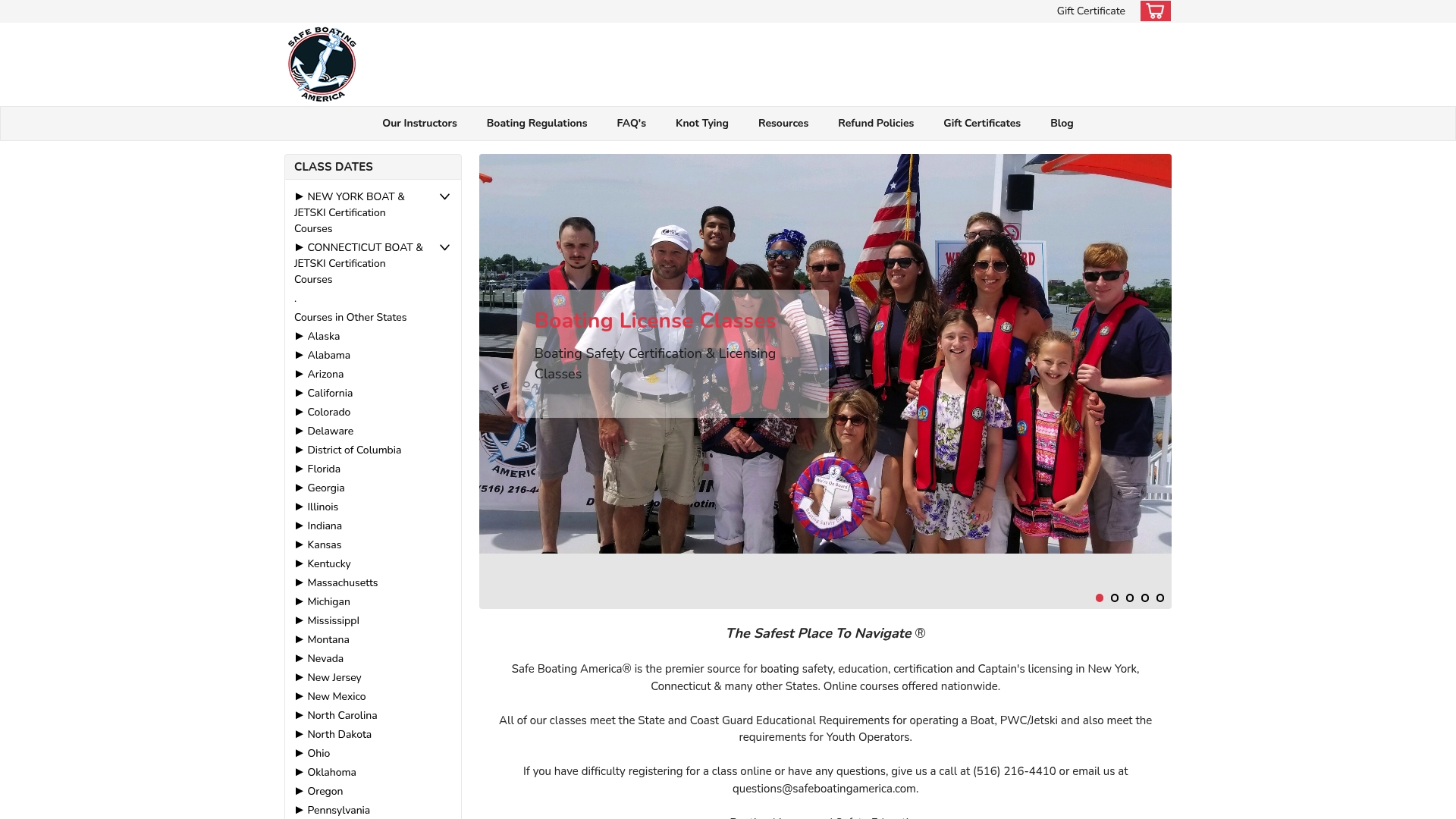
Whether you are working toward your first credential or need state-approved training to satisfy boating law requirements, Safeboatingamerica provides structured programs with same-day certification options and flexible scheduling. Thousands of students have completed their boating safety certification through Safeboatingamerica and gone on to operate vessels legally and confidently. Review the full course catalog and find the program that fits your timeline and license goals.
FAQ
What is the minimum age for a boat captain license?
The minimum age for an OUPV (Six-Pack) captain’s license is 19 years old. The Master 100-Ton license carries the same minimum age requirement.
How many sea days do I need for a captain’s license?
The OUPV license requires 360 documented sea days, with at least 90 within the past 3 years. The Master Near Coastal license requires 720 total days, including at least 360 on near-coastal or ocean waters.
Can I count recreational boating time as sea service?
Recreational time on your own vessel counts toward sea service if you self-certify using the CG-719S form and provide proof of vessel ownership such as a registration number.
How long does it take to get a captain’s license?
The full process takes 9–18 months for most applicants. Sea time accumulation is the primary driver of that timeline, while medical exams, courses, and the TWIC card can be completed in 3–6 months.
What is the difference between an OUPV and a Master 100-Ton license?
The OUPV license covers uninspected vessels with up to 6 paying passengers. The Master 100-Ton license allows 7 or more passengers and operation of USCG-inspected vessels, and it requires significantly more documented sea service.
Recommended
- Boat Requirements: What Every U.S. Boater Must Know - Safe Boating America
- New York Boating License: How to Get Your NYS Boating Certificate - Safe Boating America
- How to Add a Boating License to Your Driver’s License (The Anchor Explained) - Safe Boating America
- Coast Guard Boat Requirements: What Boaters Must Know - Safe Boating America