10 HP and PWC Rules: Get Your Virginia Boating Card Fast
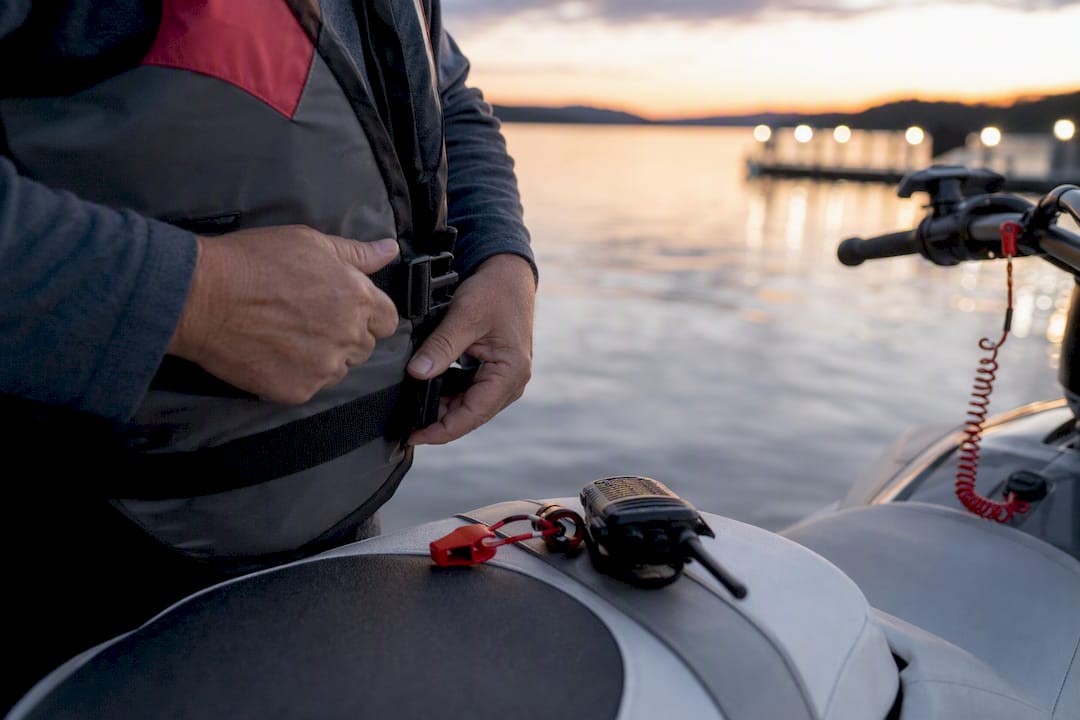
Virginia does not issue a traditional boating license. Instead, state law requires a boating safety education completion card for anyone operating a motorboat with a motor of 10 horsepower or greater, plus all personal watercraft operators regardless of engine size. You can satisfy this through a NASBLA-approved course delivered online, in a classroom, or through a proctored exam, and once you pass, that card never expires.
TL;DR:
- Nonresidents with valid boating education from their home state can operate in Virginia for up to 90 days without needing a Virginia card.
- All boaters operating vessels with engines of 10 horsepower or more, as well as any personal watercraft operators, must carry a NASBLA-approved safety completion card.
- Completing a course can take from a few hours to several weeks depending on the chosen format, with free options available for quick certification.
- The card is a certificate that remains valid for life, so maintaining digital or printed proof is essential to avoid penalties if stopped by authorities.
- Choosing a course that fits your learning style and timeline, offers support, and provides instant proof improves your chances of passing on the first attempt.
Table of Contents
- Do You Need a Boating License in Virginia?
- What Courses Satisfy Virginia’s Boating Safety Requirement?
- What Does the Completion Card Actually Look Like?
- How Much Does a VA Boating License Cost and Take?
- How to Pick the Right Course Format for You
- What Happens If You Get Stopped Without Proof?
- Your Step-by-Step Path to Getting Certified
- Why This Requirement Exists (And Where Students Trip Up)
- Get Certified Through Safe Boating America
- Sources
- FAQ
Do You Need a Boating License in Virginia?
Virginia law draws the line at engine size and vessel type, not vessel length. Anyone operating a motorboat with a motor of 10 horsepower or greater must carry a valid boating safety education completion card, and every personal watercraft operator falls under the same rule, regardless of the motor’s rating. Age restrictions also apply to PWC operation, so a young rider may need adult supervision even with a completed course.
A few carve-outs exist:
- Nonresidents get a 90-day exemption if they already meet their home state’s boating education requirement.
- USCG-licensed captains and certain military credential holders are exempt but must carry proof of that credential on the water.
- Rental customers operating under a rental company’s supervision typically fall under separate rental safety briefings rather than the completion card requirement.
- Supervised operators onboard with a qualified adult in specific circumstances may have different obligations than solo operators.
If none of these apply to you, plan on completing an approved course before you head out.
What Courses Satisfy Virginia’s Boating Safety Requirement?
The Virginia Department of Wildlife Resources accepts several paths to compliance, and picking the right one comes down to your schedule, learning style, and how fast you need proof in hand. Every accepted option must be NASBLA-approved, which means it meets national minimum standards for boating safety curriculum and testing.
- Free DWR classroom course (Boat Virginia). Instructor-led, no cost, and typically completed in a single day or a couple of evening sessions.
- Virtual instructor-led classes. Live Zoom-style sessions that mimic a classroom but let you attend from home, often with real-time Q&A.
- Online interactive courses. Self-paced modules you complete at your own speed, usually finished in a matter of hours rather than weeks.
- Online timed courses. Similar to interactive courses but structured with minimum time requirements per section, which some states and providers use to confirm actual study time.
- DWR home-study course. A mailed workbook format that can take four to six weeks to complete and return for grading.
- Challenge exam. A proctored test for experienced boaters who want to skip the coursework and prove competency directly.
Passing standards vary by format. Online courses generally require a passing score on a closed-book or open-book final test, with the Virginia Administrative Code setting minimum competency thresholds that every approved provider must meet. Challenge exams tend to be stricter, since there’s no coursework buffer, and they must be proctored, often at a physical testing site or through an approved virtual proctoring service. Whichever format you pick, the end result is the same card, accepted statewide.
What Does the Completion Card Actually Look Like?
The completion card is not a plastic license with a photo. It’s a certificate, physical or digital, confirming you passed an approved course, and it stays valid for the rest of your life. No renewals, no annual fees.
- Officers checking compliance on the water typically accept either the physical card or a clear photo or digital copy on your phone.
- Virginia DWR maintains a database that can verify completion if your physical card is lost, damaged, or left at home.
- Lost your card? You can request a replacement through the course provider that issued it or through the DWR verification system rather than retaking the course.
- Keep a backup photo of your card in your phone in case the physical copy gets wet or misplaced during a trip.
How Much Does a VA Boating License Cost and Take?
Cost and timeline swing widely depending on the format you choose.
- The DWR’s Boat Virginia classroom course is free, and BoatUS Foundation offers a free online course that’s also approved for Virginia residents.
- Paid online courses typically run in the range most states charge for a self-paced boating safety class, and many providers offer discounts for military members or public safety personnel.
- Online interactive courses can be finished in a single sitting of a few hours.
- The DWR home-study option takes four to six weeks between mailing, grading, and returning your results.
- Scheduling a proctored challenge exam or waiting on a mailed card can add extra days to your timeline, so don’t wait until the weekend before your trip to start.
How to Pick the Right Course Format for You
Matching the format to how you actually learn saves you from a frustrating retake. If you absorb information best by doing rather than reading, an interactive online module with quizzes built into each section beats a static home-study packet. If you like asking questions in real time, a virtual instructor-led class gives you that without driving to a classroom. Timed online courses work well if you know you’ll be tempted to click through too fast.
Before you commit to a provider, run through this checklist:
- How fast do you need your card, and does the format match that timeline?
- Can you access the course on your phone if you’re studying between other commitments?
- Does the provider offer real customer support if you get stuck on a module?
- How is proof of completion delivered, physical mail, instant digital card, or both?
- What’s the provider’s policy if you ever need a replacement card down the road?
Pro Tip: Focus your review time on the Virginia Boater’s Guide chapters covering navigation rules, required safety equipment, and PWC-specific regulations, since these show up disproportionately on final exams. Run through a few practice quizzes and don’t attempt the real test until you’re consistently scoring above your course’s required passing threshold.
What Happens If You Get Stopped Without Proof?
Code of Virginia §29.1-735.2 gives DWR officers the authority to check for a valid completion card, and Virginia Administrative Code Chapter 410 backs that authority with recordkeeping standards, including the state database used to verify your status on the spot. Operating without the required card, or without acceptable proof of an exemption, can result in a civil penalty.
A few habits keep you out of that situation:
- Keep a photo of your card saved on your phone as backup.
- Carry documentation for any exemption you’re relying on, like a USCG license or military ID.
- Confirm your course provider’s certification actually appears in the DWR verification database before you head out.
Your Step-by-Step Path to Getting Certified
Getting from “I need this” to “I’m certified” is a short list once you know the order.
- Confirm you need it. Check your motor’s horsepower or confirm you’re operating a PWC.
- Pick your format. Weigh cost, timeline, and learning style using the criteria above.
- Register with an approved provider. Verify NASBLA approval and DWR acceptance before paying.
- Complete the coursework. Work through modules or classroom sessions at the pace your format requires.
- Pass the final exam. Meet the passing score threshold for your course type.
- Download or request your card. Save a digital copy immediately, even if a physical card is mailed separately.
Before your first outing, run through a quick pre-launch check: required safety equipment onboard, current vessel registration, your completed card accessible, and a look at the weather and any local water restrictions for the day. DWR’s official course finder is the fastest way to confirm a provider’s approval status before you register.
Why This Requirement Exists (And Where Students Trip Up)
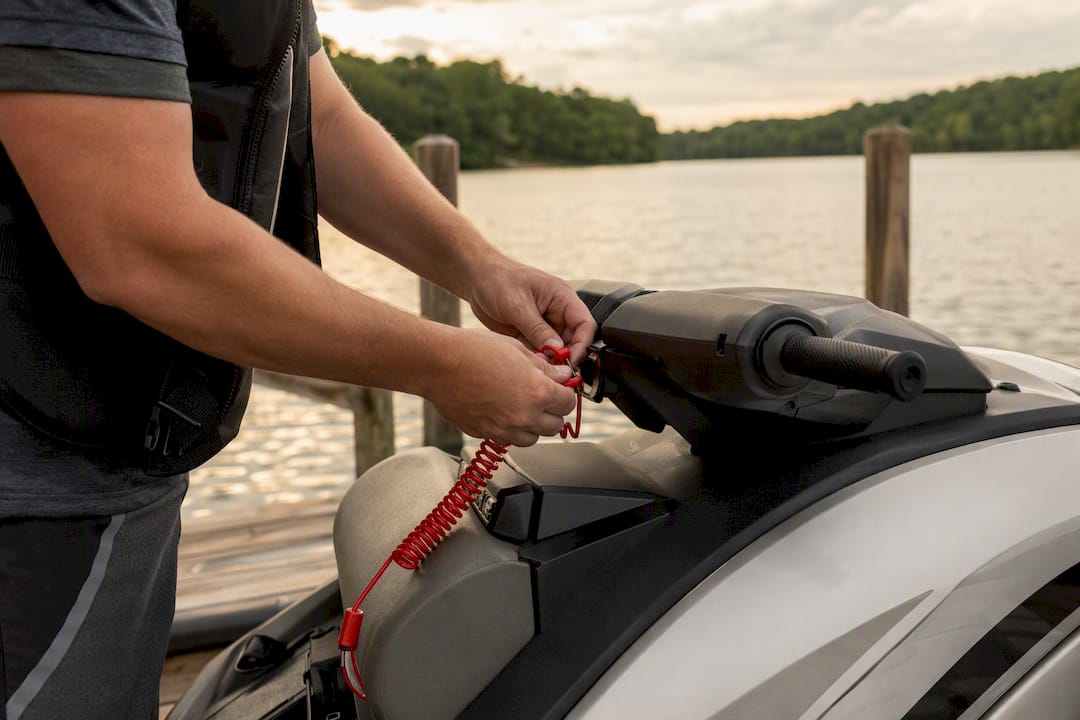
Virginia’s education mandate isn’t red tape for its own sake. It exists to standardize knowledge of navigation rules, emergency response, and environmental protection across a huge range of boaters, from first-time PWC riders to lifelong anglers. Skip the training and you’re guessing at right-of-way rules in a channel with real consequences for getting it wrong.
The most common pitfall isn’t failing the course. It’s finishing it and then leaving the card at home or never saving a digital backup. The second most common mistake is choosing a format that doesn’t fit how someone actually studies, then rushing the final exam and needing a retake. Courses with responsive support and mobile access tend to see better first-time pass rates simply because students can ask questions instead of guessing.
— Richard
Get Certified Through Safe Boating America
If you’d rather not wade through DWR’s home-study packets or wait weeks for a mailed grade, Safe Boating America gets you certified faster without cutting corners on the material. As a NASBLA-approved provider recognized by Virginia DWR, Safe Boating America runs online, live Zoom, and in-person courses built specifically to satisfy the state’s boating safety education requirement.
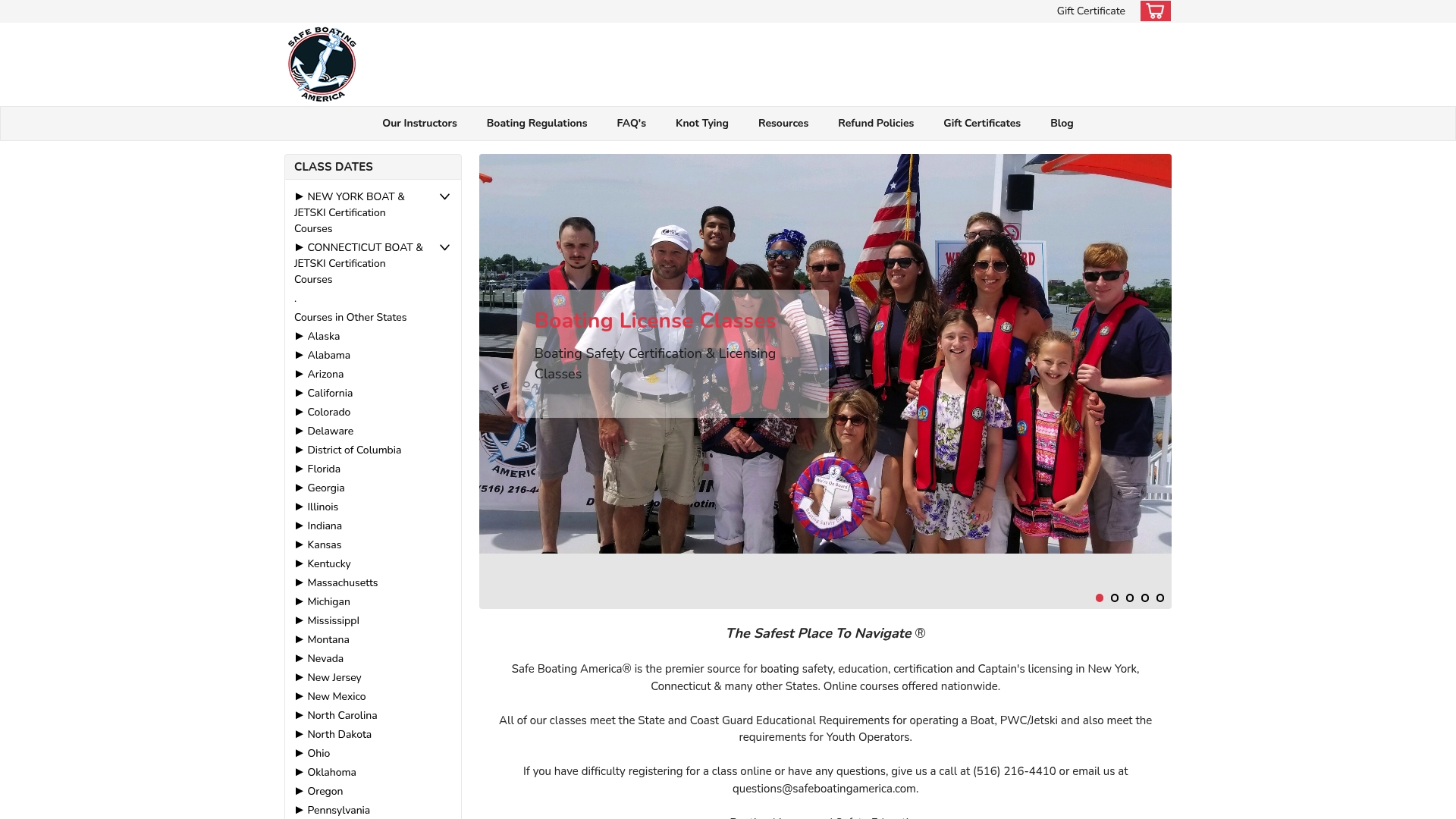
Same-day certification is available depending on the format you choose, and the Virginia-specific course covers everything from the 10-horsepower rule to PWC operation, taught by state-certified instructors and USCG-licensed captains. If you ever misplace your card, the team can help you sort out documentation and replacement steps too. Head to Safe Boating America to check current class schedules and enroll in the format that fits your timeline.
Sources
- Do I Need to Take A Boating Safety Course? | Virginia DWR
- § 29.1-735.2. Boating safety education required; Board to promulgate regulations. | Code of Virginia
- Virginia Administrative Code - Chapter 410. Watercraft: Boating Safety Education
FAQ
Do You Have to Have a Boating License in Virginia?
Yes, if you operate a motorboat with a motor of 10 horsepower or greater or any personal watercraft, you need a valid boating safety education completion card, not a traditional license.
How Long Does It Take to Get a VA Boating License?
Online interactive courses can be finished in a few hours in one sitting, while DWR’s home-study option takes several weeks; your timeline depends entirely on the format you choose.
How Much Does a VA Boating License Cost?
DWR’s free Boat Virginia classroom course and the BoatUS Foundation’s free online option cost nothing, while paid online providers like Safe Boating America charge a course fee that often includes military and public safety discounts.
Does It Matter What State I Get My Boating License In?
Generally no, as long as the course is NASBLA-approved, and Virginia’s 90-day nonresident exemption lets visiting boaters rely on a completion card issued by their home state.