Lifetime Boater Cards in the U.S., But Registrations Renew 1–3 Years
In nearly every U.S. state, the recreational boater safety certificate, often called a boater card, does not expire. What does expire are related documents: boat registrations, some driver-license boating endorsements, and U.S. Coast Guard commercial credentials. The distinction trips up more boaters than any other licensing question on the water.
TL;DR:
- The recreational boater safety certificate is valid for life in most states, with no renewal required, but vessel registration, endorsements, and USCG commercial credentials do expire on separate schedules.
- Vessel registration typically needs renewal every one to three years, while driver-license endorsements depend on your license’s renewal cycle, and USCG commercial licenses expire every five years.
- Losing your physical boater card does not affect your certified status, as most states keep a record on file and offer digital or temporary proof options.
- Staying current on registration and endorsements is crucial, as lapses can lead to legal violations or voided insurance coverage, even if your safety certificate remains valid.
- Refresher courses and updated rules are important because a lifetime certification doesn’t reflect recent changes in laws, safety standards, or PWC restrictions.
Table of Contents
- Why Most State Boater Education Certificates Are Lifetime Credentials
- What Actually Expires: Registration, Endorsements, and USCG Credentials
- How Florida, New Jersey, Missouri, and Tennessee Handle It
- How to Check Your Status, Replace a Lost Card, and Carry Proof
- Why Staying Current Still Matters Even With a Permanent Card
- What Happens When a Related Document Lapses
- How to Renew or Replace What Actually Needs Renewing
- Do Different Types of Boating Credentials Expire Differently?
- Does an Expired Document Affect Your Insurance?
- Common Misconceptions About Boating License Expiration
- Checklist Before Your Next Trip
- Get Certified or Replace Your Card Through Safe Boating America
- Official Pages to Verify Your State’s Rules
- Sources
- FAQ
Why Most State Boater Education Certificates Are Lifetime Credentials
State boating agencies designed the boater card as a one-time proof of competency, not a recurring fee or a renewal cycle. Once you pass a NASBLA approved course, the state treats that as permanent evidence you know the rules of the water. Florida’s Fish and Wildlife Conservation Commission confirms this directly: the state’s Boating Safety Education ID card is valid without an expiration date, with no renewal requirement at all.
The terminology varies, and that’s where confusion sets in. Some states call it a card, others a certificate, and a few label it an ID. New Jersey issues a boat safety certificate. Tennessee issues a boating safety education certificate that functions the same way. Missouri and dozens of other states recognize NASBLA-approved cards issued anywhere in the country, which is part of why the credential doesn’t need periodic reissuing.
Here’s the practical rundown:
- Your boater card proves you completed an approved safety course, not that you’ve kept current on every law change since.
- States rarely charge renewal fees for education certificates because there’s no expiration event to trigger one.
- Reciprocity between states works because the underlying NASBLA standard stays consistent nationwide.
Statistic Callout: According to Florida’s own guidance, the Boating Safety Education ID Card carries no expiration date once issued, distinct from vessel registration, which does.
What Actually Expires: Registration, Endorsements, and USCG Credentials
The confusion around “boating license expiration” usually stems from mixing up three separate documents. Your education certificate is permanent. These three are not.
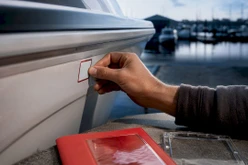
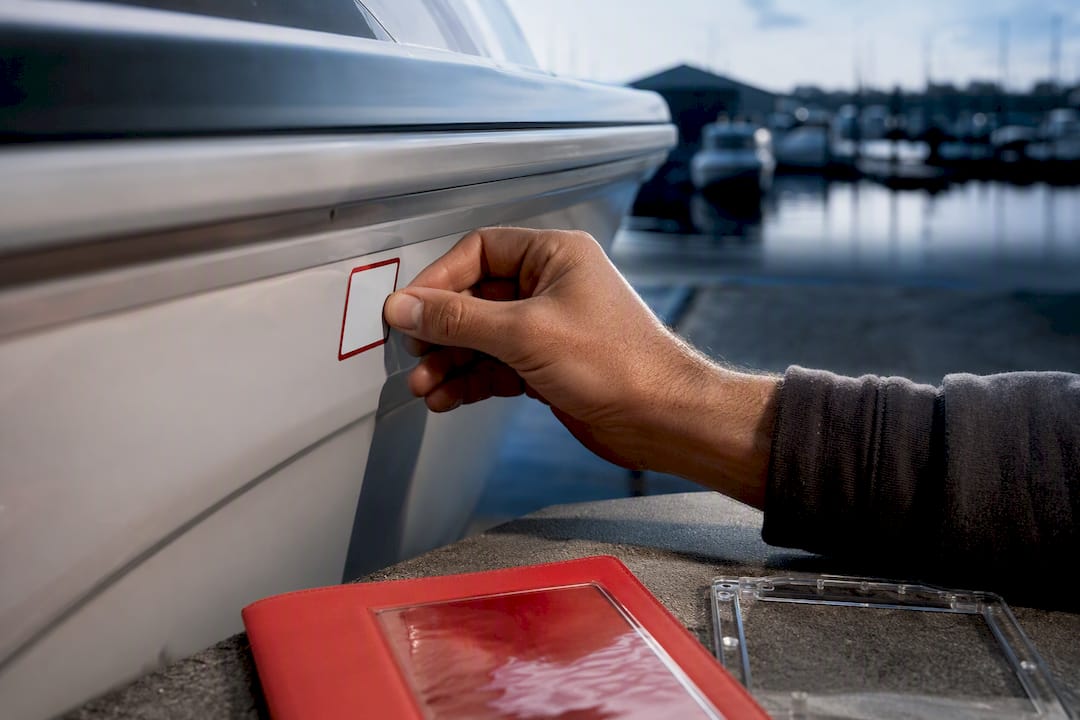
Vessel registration runs on a fixed cycle set by your state, typically one to three years. Washington State, for example, requires boat decals to be renewed by June 30 every year. Miss that date and you’re operating an unregistered vessel, a separate violation from anything related to your safety certificate.
Driver-license boating endorsements exist in states like New York, where boaters can add a boating credential directly to their driver’s license. That endorsement rides on your license’s own renewal schedule, so it lapses whenever your driver’s license does, not on any independent boating calendar.
USCG merchant mariner credentials are the outlier that actually does expire on a hard schedule. If you hold a commercial captain’s license, the U.S. Coast Guard’s National Maritime Center requires renewal every five years, with medical exams, training documentation, and a formal application. This applies to commercial operators, not recreational boaters running a personal boat or PWC.
A quick way to keep these straight:
- Boater card (recreational): permanent, no renewal needed.
- Vessel registration: expires every 1 to 3 years, state-specific.
- Driver-license endorsement: tied to your license renewal date.
- USCG commercial credential (MMC): expires every few years as regulated, requires formal renewal.
Statistic Callout: The five-year MMC renewal cycle applies only to commercial mariners, not weekend boaters or PWC riders operating for recreation.
How Florida, New Jersey, Missouri, and Tennessee Handle It
State language differs enough that it’s worth seeing real examples side by side.
- Florida: The Boating Safety Education ID Card lasts for life, but if you just finished a course, your printed completion certificate only works as temporary proof for 90 days while your permanent card ships.
- New Jersey: The boat safety certificate itself never expires, though a boating endorsement added to a New Jersey driver’s license can lapse when that license does.
- Missouri: The state has expanded mandatory education requirements on specific effective dates and honors NASBLA-approved cards from other states, including a process for adding an endorsement to a Missouri driver’s license.
- Tennessee: The Tennessee Wildlife Resources Agency issues permanent digital and physical education records, and boaters who complete a course but haven’t received their card yet can typically use a temporary certificate as interim proof.
The pattern holds across almost every state: the education credential is permanent, the paperwork proving it can take a few weeks to catch up.
How to Check Your Status, Replace a Lost Card, and Carry Proof
Losing a physical card doesn’t erase your certified status. Your record stays on file with the state, but most agencies still expect you to produce proof when an officer asks for it.
- Look up your record. Visit your state boating safety agency’s website and search using your name, date of birth, and the approximate date you completed your course.
- Request a replacement. Most states process replacement cards within a few business days to a few weeks; some, like Tennessee, issue digital confirmation you can screenshot while you wait.
- Carry accepted proof. A physical card, a state-issued digital card, or in Florida’s case, a temporary completion certificate valid for 90 days, all satisfy an on-water check.
- Present it during a stop. Marine patrol officers typically want your card or digital proof alongside a photo ID and current vessel registration, not just a verbal claim that you’re certified.
Pro Tip: Take a photo of your boater card and store it in your phone’s saved photos before you ever leave the dock. Officers generally accept a clear photo as proof if your physical card is at home, though carrying the actual card or an approved digital version is always the safer bet.
Why Staying Current Still Matters Even With a Permanent Card
A lifetime credential doesn’t mean the rules stayed frozen the day you passed your course. States regularly adjust age minimums, horsepower thresholds, and PWC-specific restrictions, and enforcement tends to focus exactly on those areas. A card from a decade ago proves you passed a test, not that you know about a rule that changed three years later.
That gap is exactly why refresher training holds real value even for permanently certified boaters. NASBLA-aligned courses update navigation rules, PWC-specific requirements, and equipment standards as they shift, closing the space between “certified once” and “current on the law today.”
What Happens When a Related Document Lapses
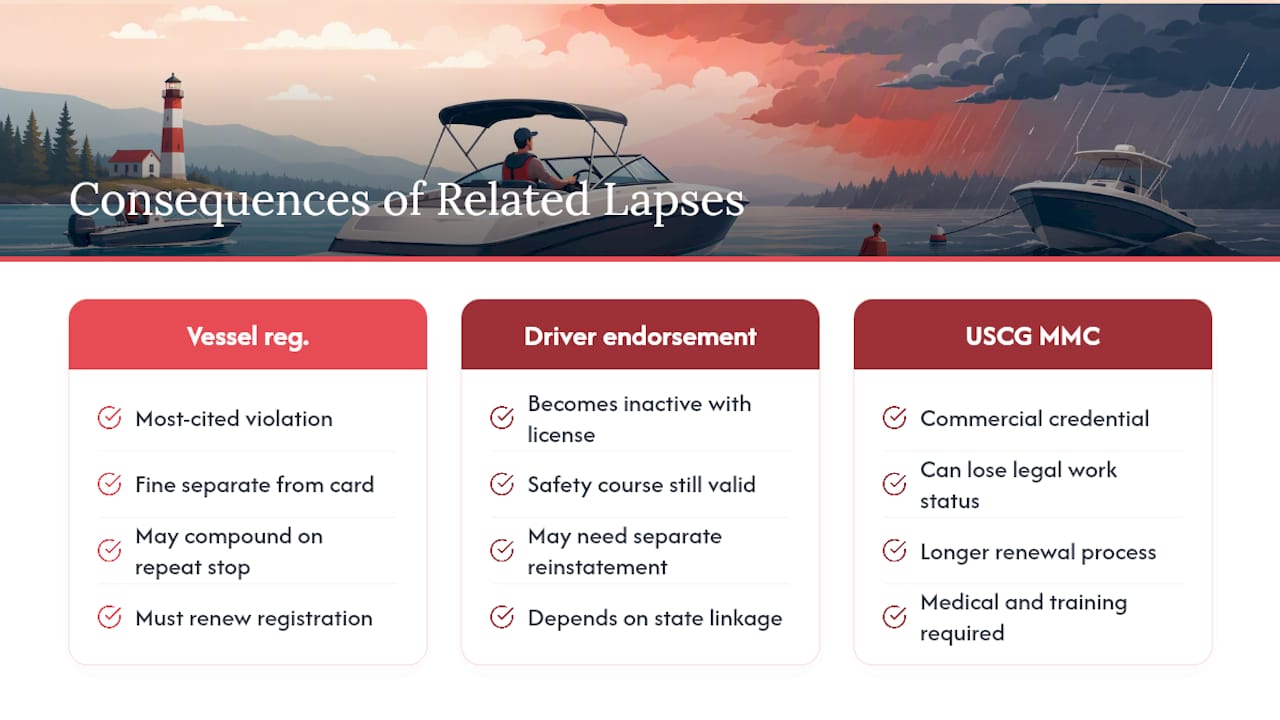
Your permanent boater card can’t expire, but that protection disappears if the documents that ride alongside it lapse. An expired vessel registration is the most common violation marine patrol officers cite, and it typically carries a fine independent of anything related to your safety education status. Some states also treat continued operation on an expired registration as a compounding issue if stopped more than once in a season.
A lapsed driver-license boating endorsement creates a subtler problem. If your state ties your boating credential to your driver’s license and that license expires, the endorsement goes inactive with it, even though your original safety course completion never changed. You may need to reinstate the endorsement separately from simply renewing your driver’s license, depending on how your state’s system links the two records.
For commercial operators, letting a USCG Merchant Mariner Credential lapse is the most serious scenario. Operating commercially on an expired MMC can mean losing the legal ability to work as a captain until the renewal process, including medical documentation and required training, is complete. That process takes longer than most recreational renewals, so commercial operators generally start it well before the five-year mark hits.
None of these consequences touch your underlying education certificate. That part of your status stays intact. What changes is your legal standing to operate, register, or work, which depends on keeping the other paperwork current alongside it.
How to Renew or Replace What Actually Needs Renewing
Since your boater education card doesn’t expire, “renewal” in boating usually means one of three separate actions, depending on which document lapsed.
Vessel registration renewal happens through your state’s motor vehicle or natural resources department, generally online, and requires your current registration number, proof of ownership, and the applicable fee. Washington’s process, for instance, runs through the Department of Licensing and follows an annual deadline tied to the calendar rather than your purchase date.
Renewing a driver-license boating endorsement typically happens automatically when you renew your driver’s license itself, since the two records are linked in states that offer this option. If the endorsement doesn’t reactivate automatically, a quick call to your state’s licensing office usually resolves it without retaking a boating course.
USCG Merchant Mariner Credential renewal is the most involved. It requires a renewal application through the National Maritime Center, a current medical certificate, and documentation of sea service or continued training, submitted before the five-year window closes. The Coast Guard recommends starting this process months in advance, since processing times can run longer during peak renewal periods.
If you’ve simply lost your physical boater card, that’s not a renewal at all. It’s a replacement request through your state’s boating safety agency, and most states process it in days to a few weeks without any retesting required.
Do Different Types of Boating Credentials Expire Differently?
Not every credential in the boating world plays by the same rules, and lumping them together is where most confusion starts.
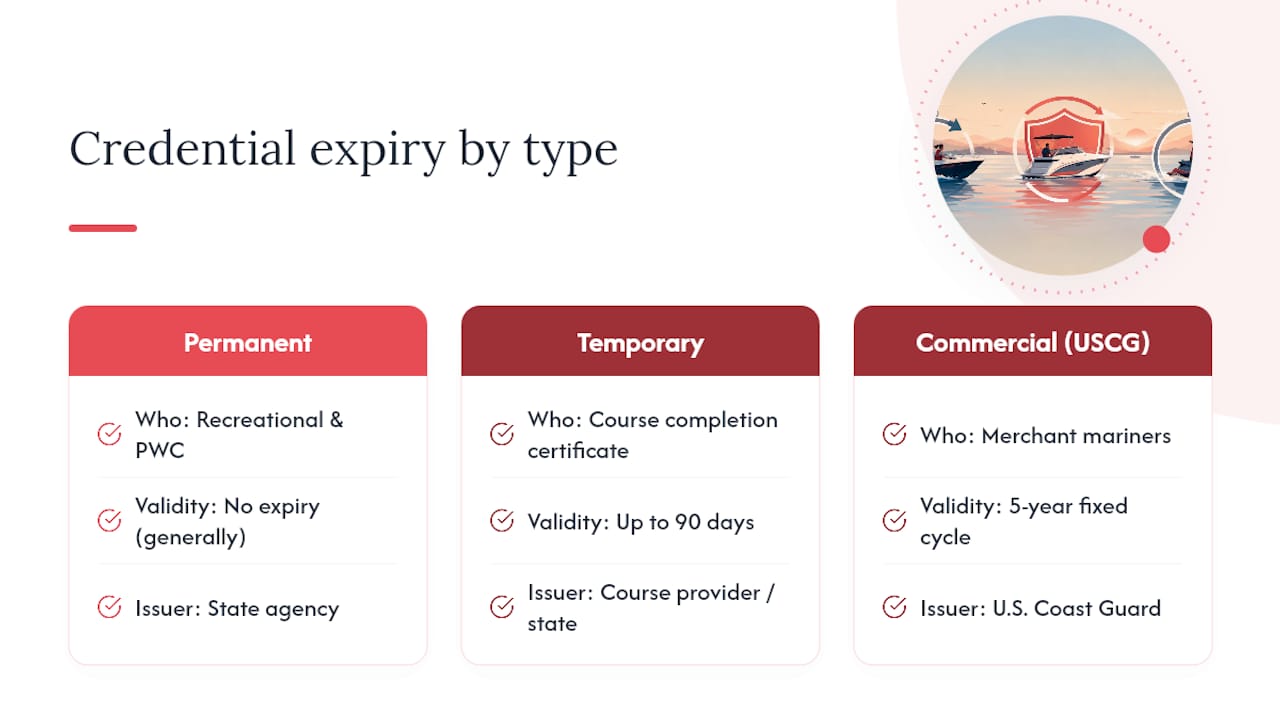
Recreational boater cards are the permanent kind discussed throughout this article. Once issued, they generally do not expire in most states.
Temporary completion certificates are different. These are short-term proof documents issued the moment you finish a course, before your permanent card arrives. Florida’s version is valid for up to 90 days, and it genuinely does expire, unlike the permanent card it precedes.
Commercial credentials, specifically the USCG Merchant Mariner Credential, expire on a fixed five-year cycle regardless of state. This applies only to people operating vessels commercially, such as licensed charter captains, not to someone driving a personal boat or PWC on weekends.
PWC-specific certifications, in states that require separate personal watercraft endorsements, generally follow the same permanent structure as standard boater cards once issued, though the underlying course content differs.
The short version: if your credential is for recreational use and issued by a state agency, treat it as permanent. If it says “temporary” on its face or comes from the Coast Guard for commercial work, it has a clock running.
Does an Expired Document Affect Your Insurance?
Boat insurance underwriting typically asks about your boater safety certification once, at the time you apply or renew your policy, since insurers generally know the credential itself doesn’t expire in most states. Where insurance exposure actually shows up is around the documents that do lapse.
An expired vessel registration can complicate a claim. If you’re in an accident while operating on an unregistered vessel, your insurer may treat that as a lapse in legal operating status, which can affect how a claim is handled or whether coverage applies as expected. This varies by policy and insurer, so checking your specific policy language matters more than assuming any universal rule.
For commercial operators, an expired Merchant Mariner Credential is a bigger insurance problem. Operating a commercial vessel without a valid MMC can void coverage entirely, since the operator isn’t legally credentialed to be running the vessel for hire in the first place.
The safest approach is straightforward: keep your registration current, keep any driver-license endorsement active, and if you operate commercially, track your MMC renewal window closely. Your permanent boater card isn’t the piece insurers worry about. The expiring paperwork around it is.
Common Misconceptions About Boating License Expiration
The biggest misconception is treating “boating license” as one single document with one expiration date, when it’s actually several separate credentials with different rules.
Misconception: “My boating license expires every few years like a driver’s license.” For the vast majority of recreational boaters, the education certificate itself never expires. What you might be thinking of is your vessel registration, which does run on a renewal cycle.
Misconception: “If I move to a new state, my boater card becomes invalid.” Because most states honor NASBLA-approved cards issued anywhere in the country, a card earned in one state generally remains valid if you relocate or boat in another state.
Misconception: “A lost card means I have to retake the course.” Losing your physical card doesn’t erase your certified status on file with the state. It typically means requesting a replacement, not sitting through the course again.
Misconception: “Boating licenses and USCG captain’s licenses work the same way.” They don’t. Recreational credentials are permanent; commercial USCG credentials expire every five years and require formal renewal through the National Maritime Center.
Misconception: “Some states don’t require any credential, so expiration doesn’t apply to me.” True in a handful of states with no mandatory education requirement, but that’s a separate question from expiration, and it’s worth confirming your specific state’s rule rather than assuming.
Checklist Before Your Next Trip
Before you ever leave the dock, run through a short list: verify your boater card status with your state’s lookup tool, confirm your vessel registration is current with proper gelcoat protection, and pack your photo ID alongside your proof of certification. If you’re boating somewhere new, spend five minutes checking that state’s specific rules, since horsepower thresholds and PWC restrictions vary more than most boaters expect.
If it’s been a few seasons since you were last on the water, or if you know your state updated its boating laws recently, a short refresher course closes that gap faster than guessing. Permanent certification means you never have to retake the course. It doesn’t mean the rules stayed the same since you took it.
— Richard
Get Certified or Replace Your Card Through Safe Boating America
Get legally certified faster than waiting on a state mail queue, with same-day proof of completion so you’re covered on the water immediately, not weeks later.
Courses run online, live via Zoom, or in person, built around NASBLA-aligned curriculum taught by state-certified instructors and USCG-licensed captains. If you’re starting from scratch, nationwide online courses let you finish on your own schedule with immediate proof of completion. New York boaters can also complete state-specific PWC and boat certification that satisfies Brianna’s Law requirements. Arizona residents have a dedicated online PWC and boating course built around that state’s specific rules. Whether you need your first certificate or want a refresher after years off the water, registration takes just a few minutes at Safe Boating America.
Official Pages to Verify Your State’s Rules
Confirm your exact requirements through FWC’s boating safety FAQs, the USCG’s state boating laws directory, or NASBLA’s education resources.
Sources
- USCG — State boating laws details
- LegalClarity — Do boater licenses expire? How to check and renew
- Missouri State Highway Patrol — Boater education FAQ
FAQ
Do I need to update my boating license?
No, in most states your boater education card is permanent and needs no update. What you may need to update is your vessel registration or a linked driver-license endorsement, both of which run on separate renewal schedules.
What states don’t require a boater’s license?
Requirements vary by state, and a handful of states have no mandatory boater education law at all. Check your specific state’s boating safety agency page, since rules and age thresholds differ significantly from one state to the next.
How long does a boating license last in Texas?
Texas issues a permanent boater education certificate that does not expire once earned, following the same lifetime structure most states use. Your vessel registration in Texas still runs on its own separate renewal cycle.
Is a boating license lifetime?
For recreational boaters in nearly every state, yes, the education certificate is a lifetime credential with no renewal required. The exception is USCG commercial credentials, which expire every five years and require formal renewal through the National Maritime Center.