
What Is a Float Plan? A Boater’s Safety Guide
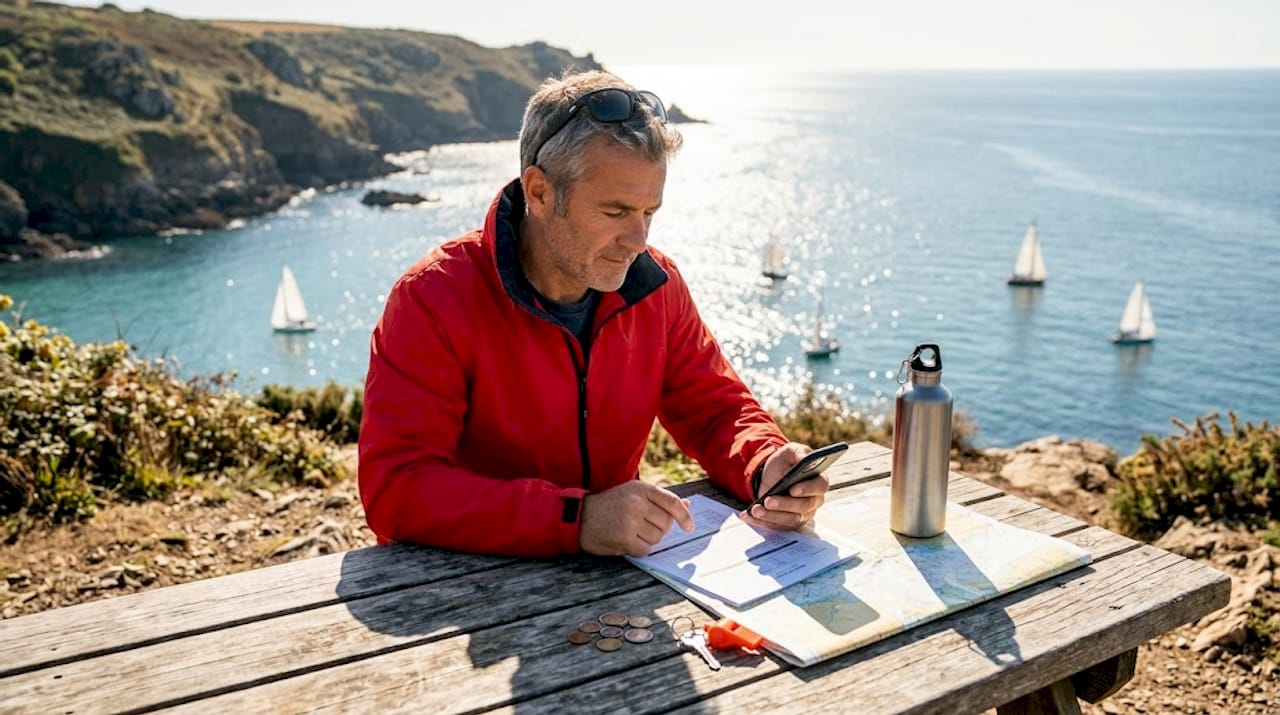
Every time you head out on the water without a float plan, someone onshore has no idea where you are, when to expect you back, or what your boat looks like. That single gap has cost lives. A float plan is a written safety document left with a trusted person before any trip on the water. It covers your vessel details, route, passengers, expected return time, and what to do if you don’t show up. Whether you’re paddling a kayak for two hours or running a 25-foot center console offshore, this document works the same way. Simple to create. Potentially lifesaving.
Table of Contents
- Key Takeaways
- What is a float plan and what it must include
- Why float plans matter for search and rescue
- How to create an effective float plan
- Best practices for sharing and managing your float plan
- Float plans compared to other safety tools
- My take: the float plan step most boaters skip
- Get certified and learn float plan skills with Safe Boating America
- FAQ
Key Takeaways
| Point | Details |
|---|---|
| Float plan definition | A private safety document shared with a trusted contact before any boating trip, not filed with the Coast Guard. |
| Required for all vessel types | Kayaks, SUPs, PWCs, and large powerboats all benefit equally from a completed float plan. |
| Granular details accelerate rescue | Including tow vehicle info, specific waypoints, and safety gear IDs narrows search areas significantly. |
| Close the loop every time | Notifying your shore contact upon safe return prevents unnecessary and costly rescue operations. |
| Digital templates simplify creation | Free USCG-recommended digital float plan templates make updating and storing your plan fast and easy. |
What is a float plan and what it must include
A float plan is a written record of your trip details given to a responsible person who stays onshore. Float plans are private documents, not submitted to the Coast Guard or any government agency. This is one of the most persistent misconceptions in recreational boating. You are not filing paperwork with authorities. You are briefing a trusted person so they can act on your behalf if something goes wrong.
The float plan definition covers more ground than most boaters expect. A thorough plan includes:
- Vessel information: Name, make, model, hull color, registration number, and any distinguishing features
- Passenger list: Full names, ages, and emergency contact numbers for everyone onboard
- Trip route and waypoints: Specific launch point, planned stops, and destination
- Departure and expected return time: Including a clear “no later than” deadline
- Communication equipment: VHF radio channel, cell phone numbers, and any satellite device details
- Safety gear inventory: Life jacket types and count, flare kit, fire extinguisher, anchor, and EPIRB or PLB registration numbers
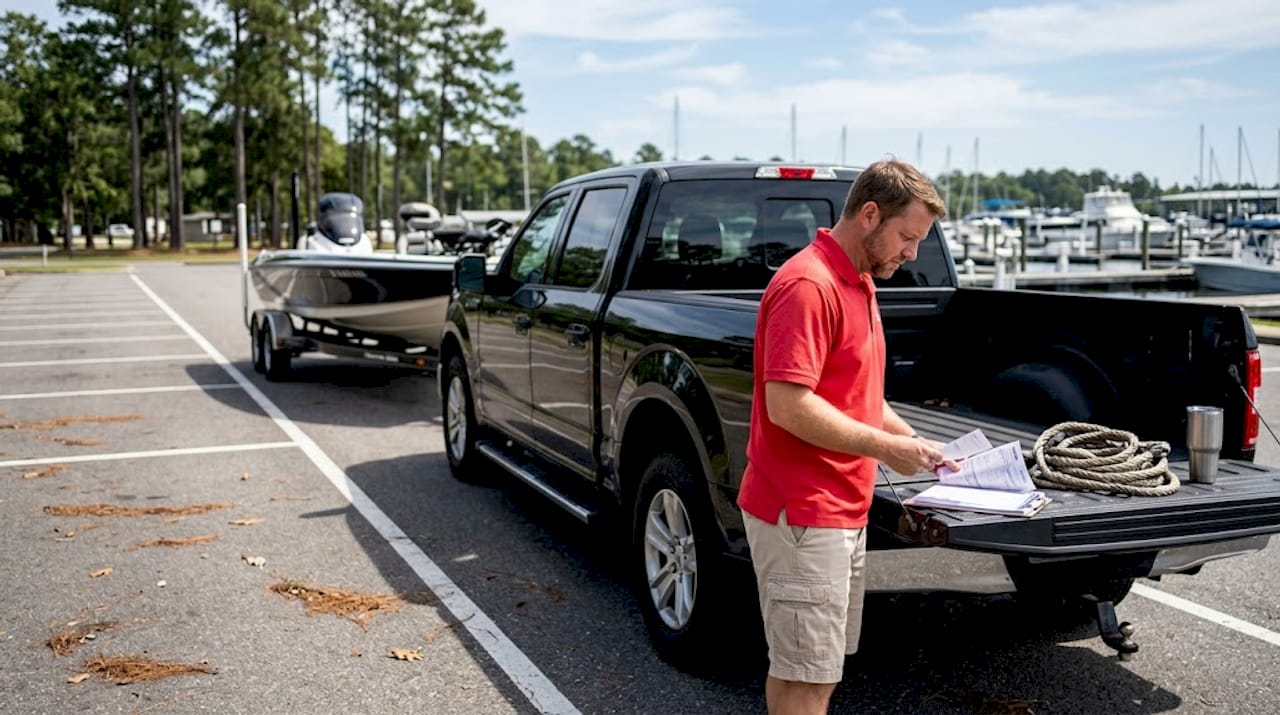
- Tow vehicle description: Make, model, color, and license plate of the vehicle left at the launch ramp
- Escalation instructions: Exactly when and how your contact should call for help
The tow vehicle detail is one most boaters skip entirely, and it’s one rescuers rely on heavily. If your boat is overdue, responders will check the launch ramp parking lot. Granular details like tow vehicle license plates help rescuers confirm you actually launched and dramatically narrow where they begin searching.
Pro Tip: The USCG Auxiliary offers free digital float plan templates you can fill out on your phone before launching. Digital formats make it easy to update details between trips rather than starting from scratch each time.
Why float plans matter for search and rescue
The importance of a float plan becomes concrete the moment a rescue operation begins. Search and rescue teams work against time. Every hour without a confirmed search area increases risk. A detailed float plan can cut search time from days to hours by telling responders exactly where to look, what to look for, and who is missing.
Consider the life jacket data alongside this. 88% of fatal canoeing accidents involved victims not wearing life jackets. The same study found 60% of kayak fatalities and 93% of SUP fatalities shared the same pattern. A float plan does not replace a life jacket. It works alongside one. If an accident happens fast, your life jacket keeps you afloat. Your float plan tells rescuers where to find you.
“A float plan is one of the simplest and most effective tools a boater can use. It costs nothing, takes minutes to complete, and gives rescuers a critical head start.” — USCG Auxiliary guidance on float plan benefits
Boating education research confirms that float plans improve trip planning rigor and group communication before anyone leaves the dock. The act of filling one out forces you to think through your route, confirm your safety gear, and align your passengers on the plan. Emergencies that stem from poor planning, like running out of fuel in an unfamiliar area or losing track of a passenger in rough water, become less likely when the whole crew has reviewed the trip together. The importance of boating education in reducing accidents is well documented, and float plans are a direct extension of that education in practice.
How to create an effective float plan
Creating a float plan takes between five and fifteen minutes when you know what you’re doing. Here is the process from start to finish:
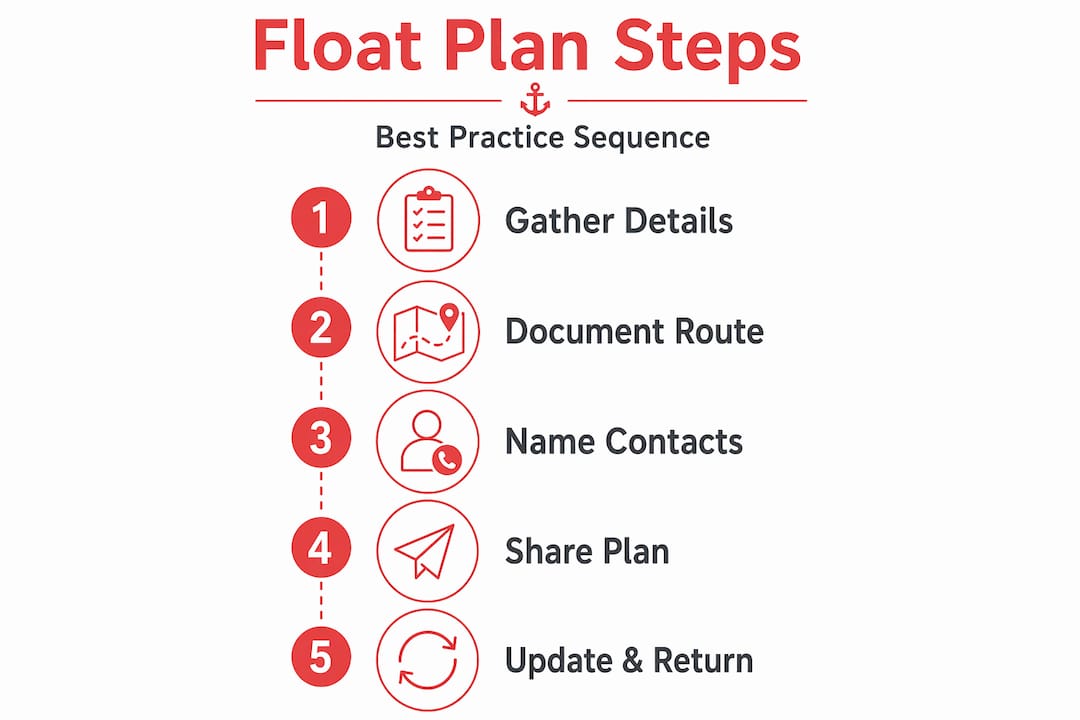
- Download a template. The USCG Auxiliary provides free digital float plan templates designed for recreational boaters. Use one rather than building your own from scratch.
- Fill in vessel details first. Record your boat’s registration number, hull identification, color, make, model, and length. Add your tow vehicle information before you get to the ramp.
- List every passenger. Full legal names, contact numbers, and any medical conditions relevant to a rescue situation. If someone onboard takes medication that affects their response to cold water or physical stress, note it.
- Map your route with specific waypoints. Vague descriptions like “heading north” are useless to rescuers. Name the specific coves, inlets, or markers you plan to pass through.
- Set a firm return deadline. Write a specific time: “Return no later than 5:00 PM.” Do not write a range. Ranges create ambiguity for your shore contact.
- List your safety gear with identifiers. Include EPIRB registration numbers and PLB device IDs. These allow the Coast Guard to match a distress signal to your trip record instantly.
- Write clear escalation instructions. Tell your contact exactly what to do: “If I have not called you by 5:30 PM, call the Coast Guard at VHF Channel 16 or 911 and give them this document.”
- Brief your contact in person or by phone. Do not just text the form over. Make sure they understand their role and have reviewed the escalation steps.
- Close the loop when you return. Call or text your shore contact the moment you are safely off the water.
Pro Tip: Complete your float plan before you load gear. Once you’re at the ramp, distractions multiply and details get skipped. Treat it like a pre-departure checklist, not an afterthought.
Best practices for sharing and managing your float plan
Who receives your float plan matters as much as what it contains. Your chosen contact should be someone reliable, reachable, and calm under pressure. A family member who panics at the first missed check-in or a friend who might forget to monitor their phone are poor choices regardless of how much you trust them personally.
When sharing your float plan, cover these points:
- Send the document digitally so your contact can forward it to emergency services without transcribing anything manually
- Confirm they have a working phone and will be available during your entire trip window
- Walk them through the escalation timeline step by step, not just hand them the paper
- Tell them not to call for help the moment you are five minutes late. Set a grace period. A no-immediate-call policy with a defined escalation time prevents unnecessary rescue deployments while still protecting you if something goes seriously wrong
- Make sure they know where to find the Coast Guard’s local contact number and your launch ramp location
Update your float plan any time your trip changes. If you decide mid-morning to extend your range or change your destination, call your contact and update the plan verbally, then send a revised document if possible. A float plan based on outdated information is better than none, but an accurate one is what saves time in a real search.
The most common failure in float plan use is forgetting to notify the shore contact upon safe return. Rescuers have launched full search operations for boaters who were home having dinner. That wastes resources and pulls responders away from real emergencies. Call your contact first, before you unload the boat.
Float plans compared to other safety tools
A float plan does not replace other boating safety measures. It works within a system of preparation. Understanding how it fits alongside other tools helps you build a complete safety approach rather than relying on any single layer.
| Safety Tool | Primary Function | Float Plan Relationship |
|---|---|---|
| Float plan | Documents trip details for shore contact | Foundation of emergency response |
| Life jacket | Keeps occupants afloat after capsize | Float plan identifies who is onboard |
| VHF radio | Real-time distress communication | Radio channel listed in float plan |
| EPIRB or PLB | Sends GPS-linked distress signal | Device ID included in float plan |
| Boat safety inspection | Confirms vessel seaworthiness before launch | Complements float plan preparation |
| Flare kit | Visual distress signal for rescuers | Gear type logged in float plan |
A boat safety inspection catches mechanical issues before they become emergencies. Boating electronics like VHF radios and GPS units give you real-time tools when something goes wrong. The float plan ties all of it together by making sure someone onshore knows what equipment you have, where you are heading, and when to call for help. None of these tools are redundant. Each one fills a gap the others cannot.
My take: the float plan step most boaters skip
I’ve worked alongside boating safety instructors and Coast Guard personnel for years, and one pattern repeats itself constantly. Boaters who would never leave the dock without a life jacket or a working radio will head offshore without telling anyone where they’re going or when to expect them back.
The argument I hear most often is “It’s just a short trip.” But short trips produce incidents too. A medical emergency, a mechanical failure, or an unexpected weather shift can strand you just as effectively two miles from the ramp as twenty miles out. What changes is how fast someone comes looking. And that depends entirely on whether a float plan exists.
What surprised me most, working through real incident reports, is how often the float plan itself prevents the emergency. Filling one out forces group alignment on route, timing, and safety gear before departure. I’ve seen boaters realize mid-form that they forgot their flares, or that two people onboard assumed different routes. That conversation happens at the dock, not in the water.
The single biggest misstep I see is failing to close the loop. Get home safe. Call your contact. That call is the last piece of the system, and skipping it turns a successful trip into a rescue operation nobody asked for.
— Richard
Get certified and learn float plan skills with Safe Boating America
Float plans are one piece of a broader safety system that every boater should understand thoroughly. Safe Boating America’s boating safety courses cover float plan creation alongside navigation rules, emergency procedures, required equipment, and accident prevention. Courses are available online, via live Zoom, and in person, and are taught by USCG-Licensed Captains using NASBLA-approved materials.
Whether you’re completing your boating safety certification for the first time or refreshing your knowledge as an experienced operator, these programs give you the practical knowledge to use float plans and every other safety tool correctly. Same-day certification options are available in most states. Visit Safe Boating America to find the course that fits your schedule and your state’s requirements.
FAQ
What is a float plan in boating?
A float plan is a written document left with a trusted person onshore before a boating trip. It includes vessel details, passenger information, trip route, expected return time, and instructions for when to contact emergency services.
Do you file a float plan with the Coast Guard?
No. A float plan is a private document shared with a trusted individual, not submitted to the Coast Guard or any government agency. The Coast Guard does not accept or store float plans.
What should a float plan include?
A float plan should include vessel description, passenger names and contacts, launch location, planned route with waypoints, communication equipment, safety gear inventory with device IDs, tow vehicle information, and clear escalation instructions for your shore contact.
How do I share a float plan safely?
Share your float plan digitally with a reliable shore contact who will be reachable for your entire trip. Walk them through the escalation timeline and always call or text them the moment you return safely to prevent unnecessary search operations.
Do kayakers and paddleboarders need a float plan?
Yes. Float plans apply to all watercraft, including kayaks, SUPs, and canoes. Given that the vast majority of fatal paddling accidents involve victims who were not wearing life jackets, a float plan adds a critical backup layer of protection for paddle sport users.
Recommended
- How to Perform a Boat Safety Inspection Step by Step - Safe Boating America
- How Boating Education Lowers Accident Rates and Saves Lives - Safe Boating America
- USCG boating safety compliance: clear steps for safer boating - Safe Boating America
- Essential boating electronics for safe and legal operation - Safe Boating America