Born After Jan 1, 1989: Get Your Tennessee Boating Card in 4 Steps
Tennessee requires anyone born after January 1, 1989 to hold a TWRA-issued Boating Safety Certification before operating a motorized vessel over 8.5 horsepower. The minimum age to sit for the official exam is generally considered around the early teens. Younger operators can still run a boat, but only with a qualified adult on board who can take immediate control if needed.
TL;DR:
- Boaters born after January 1, 1989, must hold a TWRA-issued safety certificate to operate vessels over 8.5 horsepower, with the minimum exam age being 12 years old.
- Operators under 12 cannot run a boat without a qualified adult on board who is either certified themselves or born before January 1, 1989.
- Out-of-state visitors with a NASBLA-approved certificate can operate in Tennessee without retaking the exam, provided they carry proof of certification.
- All operators and young boaters must follow safety rules like wearing USCG-approved life jackets and using engine cutoff switches, especially on PWCs.
- Failing to carry proof of certification or operating illegally can lead to citations, fines, insurance issues, and liability in case of accidents.
Table of Contents
- What Is the Minimum Age for a Boating License in Tennessee?
- What Are the Age and Supervision Rules for Young Boaters?
- How Do You Get a Tennessee Boating Safety Certification?
- Do Out-of-State Boaters Need a Tennessee Certificate?
- What Safety Rules Apply to Young Boaters and PWC Riders?
- What Happens If You Operate a Boat Underage or Uncertified?
- Do Age Rules Change on Lakes, Rivers, or Certain Watercraft?
- Why Certification Matters Beyond Just Following the Law
- Sources
- FAQ
What Is the Minimum Age for a Boating License in Tennessee?
Tennessee doesn’t issue a “boating license” the way it issues a driver’s license. Instead, the Tennessee Wildlife Resources Agency (TWRA) requires a Boating Safety Certification, and the birthdate rule matters more than a raw age cutoff. If you were born on or after January 1, 1989, and you’re a Tennessee resident, you must pass the monitored TWRA exam and carry the wallet certificate before operating a vessel over 8.5 horsepower.
The minimum age to actually sit for that exam is 12 years old. This isn’t arbitrary. TWRA treats the requirement much like a driver’s license threshold: it exists to confirm operators know navigation rules, emergency procedures, and right-of-way basics before they’re turning a throttle on their own.
“Subject to registration” is the phrase that trips people up. It covers most gas-powered motorboats, PWCs, and sailboats with auxiliary motors, but it excludes non-motorized canoes, kayaks, and rowboats. Once your vessel crosses the 8.5 horsepower line, the certification obligation kicks in.
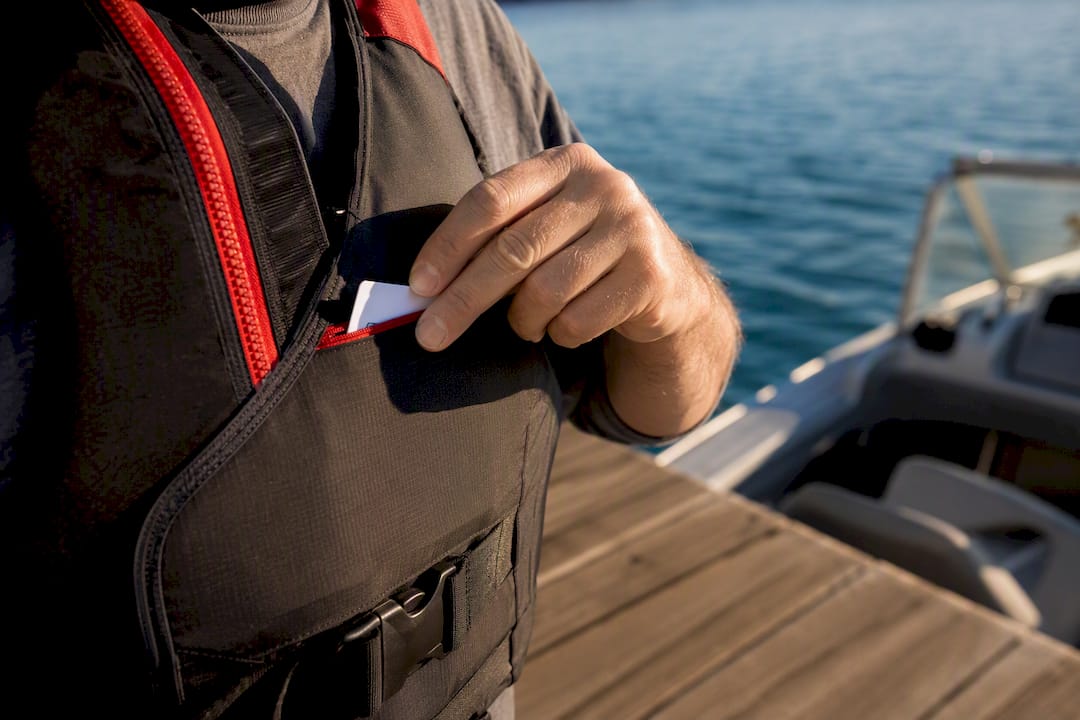
Carrying the card isn’t optional once you have it. Officers conducting a routine safety check expect to see it on the spot.
- Born after January 1, 1989: certification required to operate alone on vessels over 8.5 hp
- Born on or before January 1, 1989: exempt from the education requirement entirely
- Certificate holders must physically carry the TWRA-issued wallet card while operating
- Failure to present the card during an inspection can result in a citation, even if the course was completed
What Are the Age and Supervision Rules for Young Boaters?
Age 12 is the floor for taking the exam and, once certified, for operating a vessel without direct adult oversight. Below that age, Tennessee requires that kids only operate a boat with a qualified adult on board who can take immediate control if needed. It requires backup.
An operator younger than 12, or one who hasn’t yet completed certification, may run a boat only if an adult 18 or older is on board and can take immediate control at any moment. That supervisor also has to meet one of two conditions under Tennessee Code § 69-9-226: they’re either certified themselves or they were born on or before January 1, 1989, which exempts them from needing the card at all.
- Confirm the young operator’s age and birthdate against the January 1, 1989 cutoff.
- If under 12, arrange for a qualified adult supervisor to stay within arm’s reach of the controls.
- Verify the supervisor is 18 or older and either certified or born before the cutoff date.
- For PWCs specifically, check the rental company’s age policy before assuming a minor can operate one solo.
Personal watercraft rentals add another layer most families don’t expect. Many Tennessee rental operators set their own minimum age for renting a PWC, often at a higher age than state law requires for supervised minors. That’s a business policy, not a state law, but it’s the rule you’ll actually run into at the dock.
Pro Tip: If you’re renting a PWC for a teenager on a family trip, call the marina ahead of time and ask about their age policy directly. Rental age minimums vary by business and can be stricter than the state’s certification rules.
How Do You Get a Tennessee Boating Safety Certification?
Getting certified follows a fixed sequence, and skipping a step is the single most common reason people show up to the exam unprepared.
Start by purchasing an exam permit. You can’t just walk in and take the test. The permit is sold through TWRA’s GoOutdoorsTennessee system online or through authorized license agents, which typically include sporting goods retailers, marinas, and outdoor stores across the state.
Once you have the permit, complete a course. Tennessee accepts TWRA-approved online courses, which most people finish at their own pace, and in-person classroom sessions for those who prefer live instruction. Either path has to cover the same NASBLA-approved curriculum before you’re eligible for the monitored exam.
Here’s what the process looks like end to end:
- Buy the exam permit through GoOutdoorsTennessee or a license agent
- Complete a TWRA-approved course (online or in-person)
- Pass the monitored exam at an approved testing location
- Receive your wallet-sized Boating Safety Certification card
Have your driver’s license and Social Security number ready when you register. Most students finish the course portion in a few hours, though pacing varies widely depending on prior boating knowledge.
Common mistake: a significant share of first-time applicants attempt to schedule the exam before buying the permit, then get turned away and have to reschedule. Buy the permit first, every time.
Safe Boating America’s Tennessee boating and PWC certification course walks through the exact material the TWRA exam covers, in online, Zoom, and in-person formats, so you’re not guessing what’s on the test.
Do Out-of-State Boaters Need a Tennessee Certificate?
Visitors bringing a boat into Tennessee don’t need to retake an exam if they already hold a NASBLA-approved certificate from their home state. Tennessee recognizes these credentials for boaters born after January 1, 1989, the same birthdate rule that applies to residents.
Before you tow your boat across state lines, confirm two things:
- Your home state’s certificate is explicitly NASBLA-approved (most state agencies list this on the certificate itself)
- You’re carrying the physical or digital copy of that certificate, not just a course completion email
Boating laws vary a lot state to state, with different horsepower thresholds and age cutoffs, so a certificate that satisfies one state’s rules doesn’t always look identical to Tennessee’s requirements on paper. A quick check with TWRA or your home agency before a trip saves you a headache at the boat ramp.
What Safety Rules Apply to Young Boaters and PWC Riders?
Certification age isn’t the only rule built around protecting younger boaters. Tennessee requires kids 12 and under to wear a USCG-approved personal flotation device anytime they’re on the open deck of a moving vessel that isn’t anchored, moored, or aground.
Personal watercraft carry an added layer: an engine cutoff switch, sometimes called a kill switch, has to be attached to the operator so the engine stops instantly if they’re thrown from the seat. This matters even more when a younger, less experienced rider is at the controls, since PWCs can eject an operator faster than most boats.
Pro Tip: Test the kill switch lanyard before every outing, not just the first time. A worn clip or stretched cord is a common reason it fails exactly when you need it.
Guardians supervising young operators should treat the PFD and cutoff switch as non-adjustable equipment, not optional gear for calm water days.
What Happens If You Operate a Boat Underage or Uncertified?
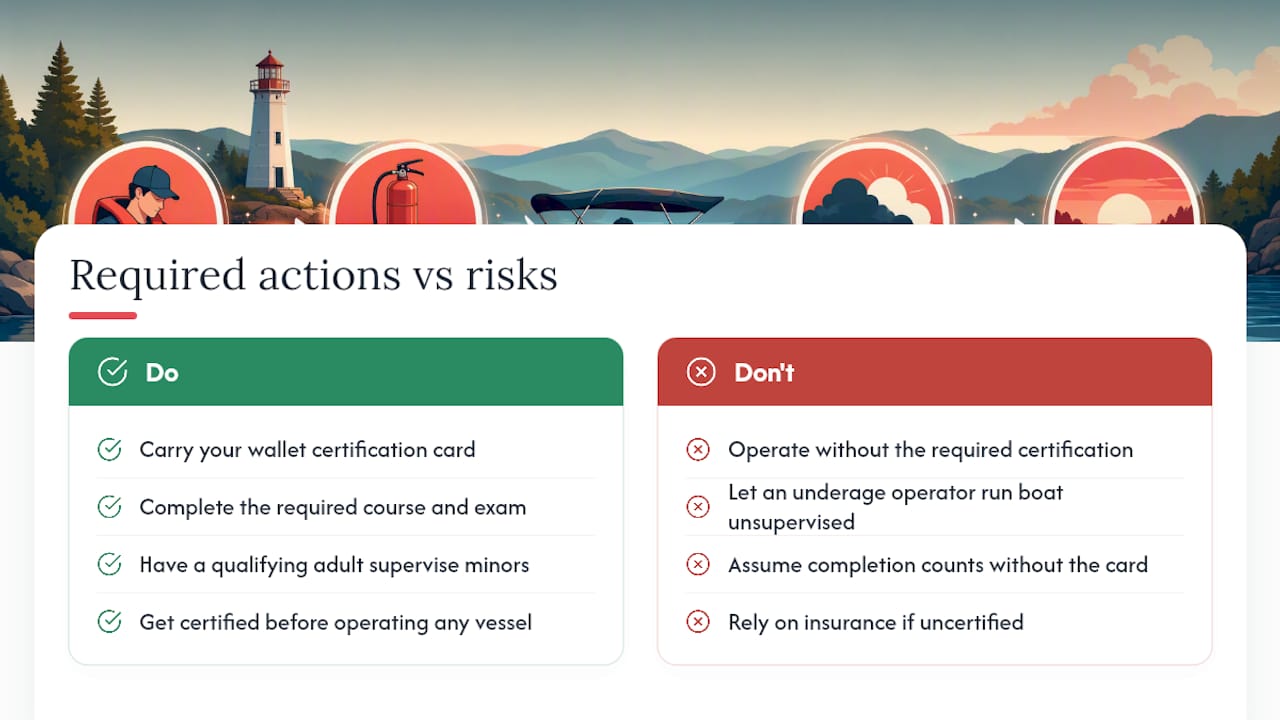
Operating a motorized vessel without the required certification, or letting an underage operator run one unsupervised, exposes you to real consequences beyond an awkward conversation with a game warden.
TWRA officers who stop a vessel for a routine safety check expect to see the wallet certification card for anyone who’s required to hold one. If you can’t produce it, expect a citation, even if you actually completed the course and simply forgot the card at home. That’s a distinction worth remembering: completing the exam isn’t the same as being in compliance on the water. You have to carry proof.
For operators who never completed the course at all, or for minors operating without a qualifying adult supervisor on board, penalties escalate. Fines apply, and in cases involving an accident or injury, uncertified or unsupervised operation can become a serious liability issue that follows the boat owner, not just the operator, particularly if the vessel owner knowingly allowed an unqualified minor to run it.
Insurance carriers also factor certification status into claims. An accident involving an operator who legally should have held a certificate and didn’t can complicate coverage, sometimes leading to denied claims or disputes over liability. That risk applies whether the accident happens on a quiet cove or a crowded main channel.
The safest posture, especially for families with teenage boaters, is treating the certification requirement as a hard line rather than a suggestion. The cost of a citation and the potential insurance fallout both outweigh the few hours it takes to get certified properly.
Do Age Rules Change on Lakes, Rivers, or Certain Watercraft?
Tennessee’s certification law doesn’t shift based on where you’re boating. The same birthdate rule, the same 8.5 horsepower threshold, and the same supervision exceptions apply whether you’re on Norris Lake, the Tennessee River, or a small farm pond that happens to allow motorized boats.
Vessel type matters more than location. Non-motorized craft like canoes, kayaks, and rowboats fall outside the certification requirement entirely, regardless of the operator’s age, because they’re not “subject to registration” the way motorized vessels are. Sailboats without an auxiliary motor generally fall into that same exempt category.
Once a motor enters the picture, though, the horsepower threshold governs everything. A small sailboat with an 8.5 horsepower auxiliary outboard is treated the same as any other motorized vessel under the law. There’s no separate carve-out for private lakes, marinas, or waterways that cross county lines. If you’re planning to explore Tennessee’s public waters in a boat you haven’t operated before, it’s worth reviewing basic preparation steps like those covered in general first-time boat buyer guidance before you ever hit the ramp.
Why Certification Matters Beyond Just Following the Law
The birthdate rule exists because TWRA has seen what happens when inexperienced operators skip formal training: more collisions, more near misses, more preventable injuries. Safe Boating America offers Tennessee’s required certification course online, through live Zoom sessions, and in person, taught by state-certified instructors and USCG-licensed captains who cover the same material TWRA tests on.
Getting certified does more than satisfy the statute. Many insurers offer premium discounts to certificate holders, and the hands-on knowledge tends to matter most in the moments a written law can’t cover, like a sudden squall or a crowded no-wake zone.
— Richard
Sources
- Boating regulations and safety concerns - TWRA
- Tennessee Code § 69-9-226 — Operation of vessel by persons born after January 1, 1989
Ready to get certified before your next trip out on the water? Safe Boating America’s Tennessee boating certification course is available online, via Zoom, or in person, and walks you through everything the TWRA exam covers so you pass with confidence the first time.
FAQ
How old do you have to be to get a boating license in Tennessee?
The minimum age to take the TWRA Boating Safety Exam is 12. Certification is legally required for anyone born after January 1, 1989 operating a motorized vessel over 8.5 horsepower.
Can a 14-year-old legally drive a boat alone in Tennessee?
Yes, once someone has reached the minimum exam age and completed the TWRA exam to hold the wallet certification card, they can legally operate a qualifying vessel without an adult supervisor on board.
Can you drink beer on a boat in Tennessee?
Tennessee treats boating under the influence the same as impaired driving on the road, and open alcohol consumption while operating a vessel carries legal risk regardless of the operator’s age or certification status. Anyone unsure of specific limits should check current guidance through TWRA’s regulations page before heading out.
Do you need a boating license to rent a Jet Ski in Tennessee?
Most rental businesses require riders to meet the same TWRA certification rules as private operators, and many set their own minimum rental age on top of the state’s education requirement. Always confirm the specific rental company’s policy before booking.
Does Tennessee accept an out-of-state boating certificate?
Yes. Tennessee recognizes NASBLA-approved certificates from other states for visiting boaters born after January 1, 1989, as long as the certificate is confirmed NASBLA-approved and carried while operating.