Connecticut Jetski License: How to Get Your CT PWC Certificate

Obtaining a Connecticut Jetski License, officially known as the Connecticut Personal Watercraft (PWC) Certificate, is essential for anyone looking to operate a jetski legally in the state. This comprehensive guide, informed by official state resources and boating safety authorities, will walk you through the necessary steps, legal requirements, and safety practices associated with acquiring your certificate. Many individuals are unaware of the specific regulations and processes involved, which can lead to confusion and potential legal issues. By understanding the requirements and following the outlined steps, you can ensure a smooth certification process. This article covers the certification process, legal requirements, course completion, age restrictions, registration, and safety practices for operating a jetski in Connecticut, referencing authoritative sources such as the Connecticut Department of Energy and Environmental Protection (DEEP) and Safe Boating America.
To obtain your Connecticut PWC certificate for jet skiing, follow these steps:
To successfully obtain your Connecticut PWC certificate, you must follow a series of steps designed to ensure that you are adequately prepared for safe jetski operation. The process includes:
- Register for a course: Enroll in a state-approved boating safety education course recognized by the Connecticut DEEP.
- Complete the course: Attend and participate in the course, which covers essential safety and operational guidelines based on state regulations.
- Pass the exam: Successfully complete the examination to demonstrate your understanding of the material.
- Receive your certificate: Upon passing, you will be issued your Connecticut PWC certificate, which is recognized statewide.
- Check for additional requirements: Ensure you meet any other local regulations or requirements, such as registration and age restrictions.
Following these steps will help you navigate the certification process efficiently and in compliance with Connecticut law.
What Are the Legal Requirements for a Connecticut Jetski License?

To legally operate a jetski in Connecticut, you must meet specific legal requirements established by the Connecticut Department of Energy and Environmental Protection (DEEP). These include:
- Completion of a state-approved course: You must successfully complete a boating safety education course recognized by the DEEP, which ensures operators understand safe boating practices and state-specific regulations.
- Passing the exam: After completing the course, you must pass an examination to demonstrate your knowledge of safe boating practices and Connecticut laws.
- Receiving certification: Once you pass the exam, you will receive your boating safety education certificate, which is mandatory for operating a jetski in Connecticut.
- Age requirements: Operators must meet minimum age requirements, which are strictly enforced to promote safety.
Understanding and complying with these legal requirements is crucial for ensuring safety and avoiding penalties while operating a personal watercraft in Connecticut.
Who Issues the Connecticut Boating Safety Education Certificate?
The Connecticut Boating Safety Education Certificate is issued by the Connecticut Department of Energy and Environmental Protection (DEEP). This state agency is responsible for overseeing boating safety education and ensuring that all operators are adequately trained. The DEEP collaborates with various approved organizations and course providers to deliver comprehensive education that meets state standards, ensuring all participants receive thorough instruction on safe boating practices and legal requirements.
Is a Boating Safety Certificate Mandatory to Operate a Jetski in CT?
Yes, a boating safety certificate is mandatory for all individuals operating a jetski in Connecticut. This requirement is enforced by the DEEP to ensure that all operators are knowledgeable about safe boating practices and the specific regulations governing personal watercraft operation. Failure to possess a valid certificate can result in fines, legal repercussions, and potential liability in the event of an accident. Therefore, it is essential for all jetski operators to complete the necessary training and certification process before operating a personal watercraft.
Indeed, the requirement for all PWC operators to complete a course is a long-standing aspect of Connecticut's regulations, reflecting the state's commitment to water safety.
Connecticut PWC Operator Course Requirement
Connecticut mandates that all PWC operators complete a state-approved boating safety course to ensure safe and responsible operation.
Personal Watercraft: Boon or Bane, C Stoldt, 1998
How Do You Complete the Connecticut PWC Safety Course?
Completing the Connecticut PWC safety course involves several key steps designed to prepare you thoroughly for safe jetski operation:
- Pre-registration: Sign up for a course through an approved provider listed by the Connecticut DEEP.
- Obtain a Conservation ID: Before attending the course, you must obtain a Conservation ID from the Connecticut DEEP, which is required for certification and registration.
- Choose a class: Select a class that fits your schedule; options include in-person sessions at community centers or online courses approved by the state.
- Attend the course: Participate fully in the course, which covers essential safety information, operational guidelines, and Connecticut-specific regulations.
- Complete the exam: After finishing the course, take the exam to demonstrate your understanding of the material.
- Receive certification: Upon passing the exam, you will receive your Connecticut PWC certificate, which you must carry while operating a jetski.
Following these steps ensures you are well-prepared to operate a jetski safely and legally in Connecticut waters.
Where Can You Take the Approved Connecticut PWC Safety Course?
The approved Connecticut PWC safety course is available at various locations throughout the state, including:
- East Hartford: In-person classes are often held at local community centers, educational institutions, and DEEP-approved facilities.
- Online options: Many state-approved providers offer online courses that allow you to complete the training at your own pace, with interactive content and official certification upon completion.
For a complete and updated list of approved course providers and locations, consult the official Connecticut DEEP website or trusted boating safety organizations such as Safe Boating America.
What Are the Steps to Pass the Connecticut Boating Safety Education Course?
Passing the Connecticut boating safety education course involves several important steps to ensure comprehensive understanding and compliance:
- Register for the course: Sign up with an approved provider through the Connecticut DEEP or affiliated organizations.
- Attend the class: Participate actively in the course, whether in-person or online, to absorb the material thoroughly.
- Engage in learning: Take notes, review course materials, and ask questions to clarify any doubts about safe operation and legal requirements.
- Complete the exam: After the course, take the official exam to test your knowledge of boating safety and Connecticut regulations.
- Receive your certificate: Upon passing, you will receive your boating safety education certificate, which is required for legal operation of a jetski.
These steps are designed to ensure that you are well-equipped to operate a jetski safely and in accordance with Connecticut law.
What Are the Age and Operation Restrictions for Jetskis in Connecticut?
Connecticut enforces specific age and operation restrictions for jetski operators to promote safety on the water. These restrictions include:
- Minimum age requirements: Operators must be at least 16 years old to operate a jetski independently.
- Supervision rules: Individuals under 16 may operate a jetski only if they are supervised by an adult who holds a valid boating safety certificate.
These regulations are strictly enforced by the Connecticut DEEP and local law enforcement to reduce accidents and ensure responsible operation of personal watercraft.
What Is the Minimum Age to Operate a Personal Watercraft in CT?
The minimum age to operate a personal watercraft (PWC) in Connecticut is 16 years old. However, individuals younger than 16 may operate a jetski only when accompanied by an adult who possesses a valid boating safety certificate. This age restriction is designed to ensure that younger operators have the necessary supervision and guidance while on the water, aligning with national safety standards.
Are There Specific Rules for Jetski Operation in Connecticut Waters?
Yes, Connecticut has specific rules governing jetski operation to ensure safety and compliance. These rules include:
- Certification requirement: All operators must possess a valid boating safety certificate issued by the Connecticut DEEP or an approved provider.
- Age restrictions: Operators must meet the minimum age requirements and adhere to supervision rules for younger riders.
- Course completion: Operators must complete a state-approved boating safety education course before operating a jetski.
- Operational guidelines: Operators must follow local navigation rules, speed limits, and no-wake zones as defined by Connecticut law.
Adhering to these rules is essential for ensuring safety and legal compliance while operating a jetski in Connecticut waters.
How Do You Register Your Jetski in Connecticut?
Registering your jetski in Connecticut involves several steps mandated by the Connecticut DEEP:
- Complete a state-approved course: Ensure you have completed the required boating safety education course and obtained your certificate.
- Pass the exam: Successfully pass the examination to receive your boating safety education certificate.
- Gather required documentation: Prepare your Conservation ID, proof of ownership, and any other necessary documents.
- Submit registration application: Fill out and submit the registration forms to the Connecticut DEEP, either online or in person.
- Pay applicable fees: Pay the registration fees as required by state law.
Once these steps are completed, your jetski will be legally registered and ready for operation in Connecticut waters.
What Is the Jetski Registration Process in Connecticut?
The jetski registration process in Connecticut includes the following detailed steps:
- Complete a state-approved boating safety course: This is a prerequisite for registration and legal operation.
- Pass the exam: You must pass the exam to receive your boating safety education certificate.
- Obtain a Conservation ID: Required for registration and identification purposes.
- Submit registration application: Complete the official registration forms provided by the Connecticut DEEP.
- Provide proof of ownership: Submit documentation such as a bill of sale or title.
- Pay applicable fees: Fees vary depending on the jetski and registration type.
- Receive registration and decals: Once approved, you will receive your registration certificate and decals to display on your jetski.
Following these steps ensures your jetski is registered legally and compliant with Connecticut regulations.
What Fees and Documentation Are Required for CT Jetski Registration?
To register your jetski in Connecticut, you will need to provide specific documentation and pay applicable fees. These include:
- Cost of the boating safety course: Fees for the course may vary depending on the provider but are required for certification.
- Conservation ID: You must present your Conservation ID obtained from the Connecticut DEEP.
- Proof of ownership: Documentation such as a bill of sale, title, or manufacturer's certificate of origin is required.
- Registration fees: Fees vary based on the jetski's length and type; check the DEEP website for current rates.
Ensuring you have all necessary documentation and fees ready will streamline the registration process and help avoid delays.
What Are the Best Safety Practices for Operating a Jetski in Connecticut?
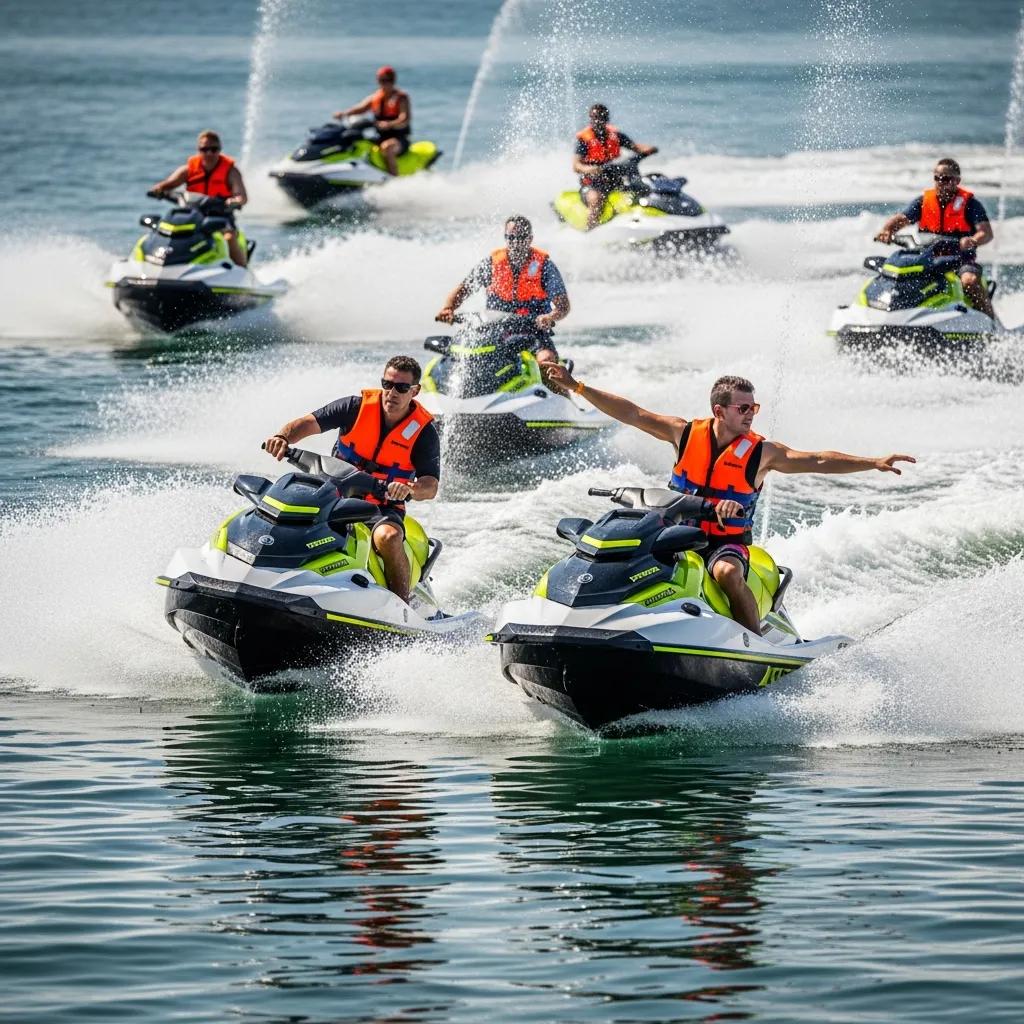
Operating a jetski safely requires adherence to best practices recommended by boating safety experts and the Connecticut DEEP, including:
- Wear life jackets: Always wear a properly fitted, U.S. Coast Guard-approved life jacket while operating a jetski.
- Know navigation rules: Familiarize yourself with local navigation rules, no-wake zones, and right-of-way regulations.
- Check weather conditions: Before heading out, check the weather forecast to ensure safe operating conditions and avoid hazardous situations.
- Maintain situational awareness: Stay alert to other boats, swimmers, and obstacles in the water.
- Avoid alcohol and drugs: Never operate a jetski under the influence of alcohol or drugs.
- Use a safety lanyard: Attach the engine cut-off lanyard to your wrist or life jacket to stop the engine if you fall off.
Following these safety practices will help reduce the risk of accidents and ensure a safe and enjoyable experience on the water.
What Safety Tips Should Connecticut Jetski Operators Follow?
Connecticut jetski operators should follow these essential safety tips endorsed by the DEEP and national boating safety organizations:
- Obtain certification: Ensure you have completed the necessary boating safety education course and carry your certificate while operating.
- Wear life jackets: Always wear a life jacket while operating a jetski, regardless of your swimming ability.
- Avoid alcohol: Never operate a jetski under the influence of alcohol or drugs, as impairment significantly increases accident risk.
- Respect speed limits: Adhere to posted speed limits and slow down in congested or no-wake areas.
- Operate responsibly: Avoid reckless maneuvers, maintain safe distances, and be courteous to other water users.
By adhering to these safety tips, operators can significantly reduce the risk of accidents and ensure a safe experience on the water.
How Does Certification Improve Jetski Safety in CT Waters?
Certification plays a crucial role in improving jetski safety in Connecticut waters. By requiring operators to complete a boating safety education course, the state ensures that all jetski users are knowledgeable about safe boating practices, state-specific regulations, and responsible operation. This education helps reduce accidents, promotes awareness of environmental considerations, and fosters respect for other waterway users, ultimately leading to safer waterways for everyone.
While certification aims to reduce incidents, historical data provides context on the proportion of personal watercraft accidents relative to overall waterway incidents and registration. According to studies, personal watercraft accidents account for a smaller percentage of total waterway accidents, but their accident rate is proportionally higher relative to their share of registered vessels, underscoring the importance of education and regulation.
Connecticut PWC Accident Rates & State Boat Registration
Accidents involving personal watercraft account for approximately ten percent of Connecticut's waterway accidents, despite personal watercraft representing only about five percent of state boat registrations. This indicates a higher accident rate per registered vessel for PWCs, highlighting the need for rigorous safety education and regulation.
Personal watercraft use: A nationwide problem requiring local regulation, 1999
Where Can You Find Answers to Common Connecticut Jetski License Questions?
For answers to common questions regarding the Connecticut jetski license, you can refer to authoritative resources such as:
- Safe Boating America website: This site provides comprehensive, up-to-date information on boating safety courses, certification requirements, and state-specific regulations.
- Connecticut DEEP official website: The DEEP website offers detailed guidance on boating laws, course providers, registration procedures, and safety tips.
- FAQs section: Many organizations and state agencies offer FAQs that address common concerns and questions about jetski operation and licensing.
Utilizing these resources can help clarify any uncertainties you may have regarding the certification process and legal requirements.
How Long Is the Connecticut Boating Safety Certificate Valid?
The Connecticut boating safety certificate is valid for a lifetime. Once you have completed the necessary training and received your certificate, you do not need to renew it. However, it is essential to carry your certificate while operating a jetski to demonstrate compliance with state regulations and to present it upon request by law enforcement officers.
What Are the Latest Legislative Updates Affecting CT PWC Certification?
Recent updates from the Connecticut Department of Energy and Environmental Protection (DEEP) have introduced changes to PWC certification requirements aimed at enhancing safety measures and ensuring that all operators are adequately trained. These legislative changes include updated course content reflecting new safety standards, stricter enforcement of age and supervision requirements, and enhanced penalties for non-compliance.
Staying informed about these legislative changes is crucial for maintaining compliance and ensuring safe jetski operation in Connecticut waters. For the most current information, consult the official Connecticut DEEP website and trusted boating safety organizations.
For more detailed information, you can also consult FAQs about boating safety and regulations.